
REVIEW · NUSA DUA
Ubud Pottery Ceramic Class in Bali
Book on Viator →Operated by Bali Tourist Information · Bookable on Viator
Clay work in Bali is oddly calming.
This Ubud pottery class brings you to a local studio setting in Singapadu (near Sukawati), where you shape clay with guidance from artisans, not a script. You’ll work with 2kg of clay, and the teaching style is built for people who want to learn how ceramics are made, not just take a selfie.
Two things I really like: first, the class feels hands-on from start to finish, with time for both hand-building and wheel work (you can make one piece by hand and another on the wheel). Second, the guidance comes from mentors who start at the basics and explain techniques so it’s actually doable.
One consideration: the studio is about a 30-minute drive from central Ubud (sometimes longer with traffic), and you’ll need to plan ahead if you want to take your finished pottery home. The class note says you should have at least 4 remaining days in Bali to bring your work with you.
In This Review
- Key Things You Should Know Before You Go
- Where the Class Happens: Tana ampo Pottery Studio Near Ubud
- The 3-Hour Workshop: From Clay Basics to Wheel and Hand Pieces
- How Included Clay Changes the Value of a Bali Pottery Class
- Taking Your Pottery Home: Plan for at Least 4 More Days
- What You Learn Besides Just Making Something
- Who This Class Fits Best (and Who Should Rethink It)
- Practical Planning Tips for Your Bali Day
- Should You Book This Ubud Pottery Class?
- FAQ
- How long is the pottery class?
- What is included in the price?
- Can I take my pottery home?
- Where is the meeting point?
- How many people are in the group?
- When will I receive confirmation?
- Is this class suitable for beginners?
- What is the cancellation policy?
Key Things You Should Know Before You Go

- 2kg of clay is included, so you’re not just making a token souvenir.
- Small group size (max 10 travelers) helps you get real attention while you work.
- You can do both hand-building and wheel throwing, so you learn more than one technique.
- A calm studio garden setting makes the 3 hours feel less like an assembly line and more like a real workshop.
- Plan for take-home timing: you’ll need extra days after the class to collect your pieces.
Where the Class Happens: Tana ampo Pottery Studio Near Ubud
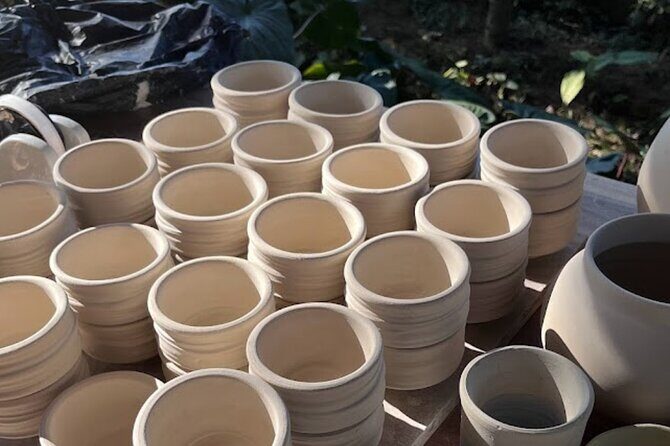
Your start point is Tana ampo Pottery Studio in Central Singapadu, Sukawati, Gianyar Regency (C793+8PH). The activity ends back at the meeting point, so you’re not stuck doing an all-day loop across Bali.
One practical point: this is not in the middle of central Ubud. Based on what I’ve learned about the location, it’s typically about a 30-minute drive from central Ubud, though traffic can stretch it. If you’re staying in Ubud proper, plan extra buffer time so the class doesn’t feel rushed.
The studio setting also matters. More than once, the class is described as set in a beautiful garden, which helps keep the vibe relaxed. When you’re working with clay, that calm tone is more than aesthetic—it makes it easier to focus on what your hands are doing.
If you're still narrowing it down, here are other tours in Nusa Dua we've reviewed.



The 3-Hour Workshop: From Clay Basics to Wheel and Hand Pieces
The experience is listed at about 3 hours, and the core idea is simple: shape clay, learn techniques, and leave with your own work.
Here’s what that usually means in practice:
You start with a guided pottery session where the mentors teach you the basics so you’re not guessing. One review specifically notes that the mentors taught from the start in a way that made it easy to understand, which is exactly what you want if you’ve never worked with ceramics before.
Then you get to work with your 2kg of clay. The class includes shaping, molding, and adding personalized touches. That matters because pottery isn’t just pressing something into a bowl shape—it’s the small decisions: thickness, form, and how you finish the details.
One highlight from feedback is that the lesson can include wheel time. People have reported making two pieces, with one done by hand and the other on the wheel. That’s a big win for value because you’re learning different approaches instead of only doing the easiest option.
By the end, you should have tangible results from the workshop—actual pieces you crafted, not just practice scraps. And because the class provides your clay as part of the experience, your effort turns into something you can keep planning for.
How Included Clay Changes the Value of a Bali Pottery Class
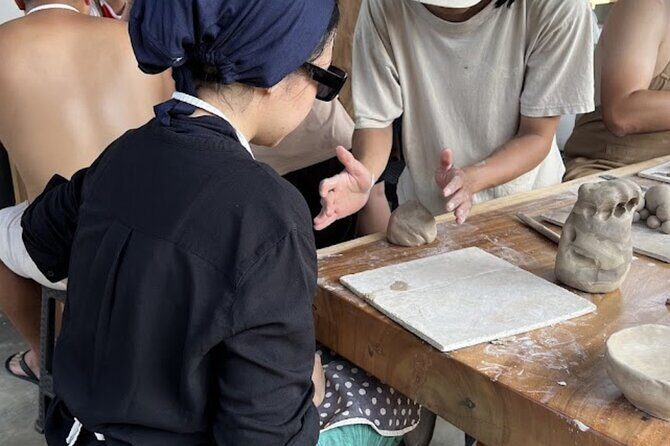
At $31.31 per person, the price looks modest on paper. But the real value comes from what’s included: a guided pottery class plus 2kg clay.
A lot of craft experiences charge similarly, but the cost is really for the instruction and then you pay extra for materials. Here, the clay is included, so you’re paying for a structured session where your work has weight—literally. If you’re the type who likes to create something substantial, this is one of the few classes where you’re not left thinking you only got the “demo version” of pottery.
The class is also capped at 10 travelers max. That’s not just a nice detail. Smaller groups usually mean you get clearer help while you’re learning a physical skill like wheel throwing. It also reduces the wait time, which helps a 3-hour class stay meaningful instead of running late.
You also get a mobile ticket, which is practical if you’re the kind of traveler who hates extra paperwork.
Taking Your Pottery Home: Plan for at Least 4 More Days
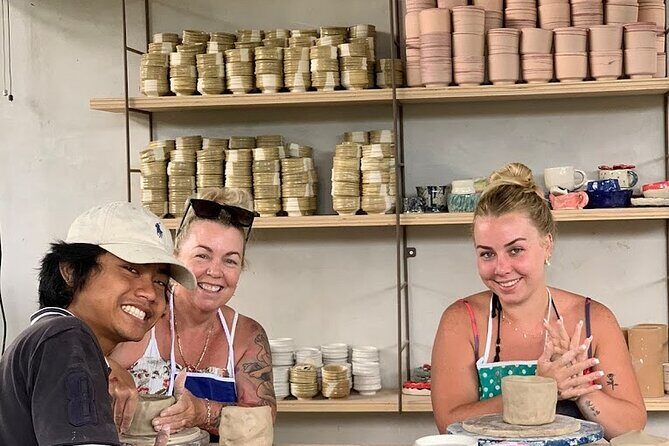
This is the one part that can make or break the experience for your schedule. The class includes a clear note: if you want to take your pottery home, you need a minimum of 4 remaining days left.
So yes, you can make the pieces during the class—but you shouldn’t plan on walking out with a finished item the same day. Give yourself time after the workshop to collect what you made, and don’t book the class right at the start of your departure week.
If your Bali trip is tight, you still might enjoy the learning portion. Just be realistic: the note is telling you that your work needs extra time before it’s ready for collection.
What You Learn Besides Just Making Something
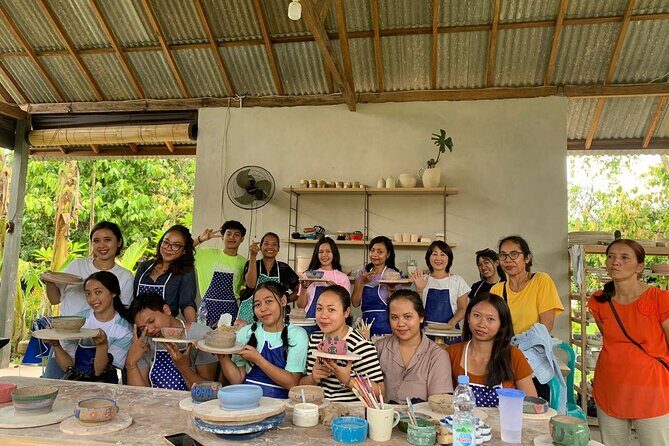
A pottery class can be either hands-on fun or a deeper learning experience. This one leans toward the second option, based on the feedback.
People mention learning about different kinds of clay and understanding that not all soils work for ceramics. That’s helpful because it explains why pottery looks and behaves the way it does.
You’ll also pick up basic technique knowledge like spinning (wheel throwing), hand building, and molding. Even if you don’t become a potter, those terms help you understand what you’re looking at when you see Bali ceramics in shops later.
There’s also an educational angle. One review described the class as an entrepreneurship-based concept tour of ceramic making, which suggests you may get context around what ceramics are, how they’re produced, and how they’re used. Even if the lesson stays focused on making your own pieces, that extra framing can make the class feel more purposeful.





Who This Class Fits Best (and Who Should Rethink It)
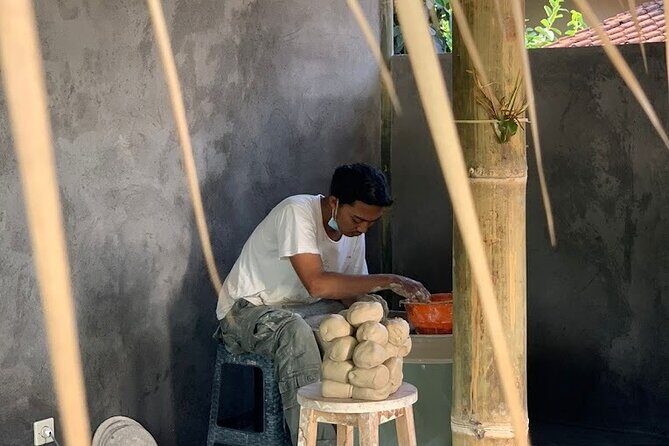
This Ubud pottery workshop fits best if you:
- Want a calm, structured activity where your hands are doing the work
- Are a beginner or intermediate learner who likes step-by-step teaching
- Like the idea of learning both hand-building and wheel techniques
- Want a real craft souvenir made from clay rather than a mass-produced item
It also works nicely for groups. The experience is set up for up to 10 travelers, and reviews describe it as fun, informative, and taught from the basics. If you’re traveling with friends or family, it’s a good option when you want something active without being physically extreme.
You might want to rethink it if:
- Your schedule is too tight to allow 4 additional days for take-home collection
- You’re expecting a central Ubud location right in the thick of the tourist area (this is in Singapadu/Sukawati)
Practical Planning Tips for Your Bali Day
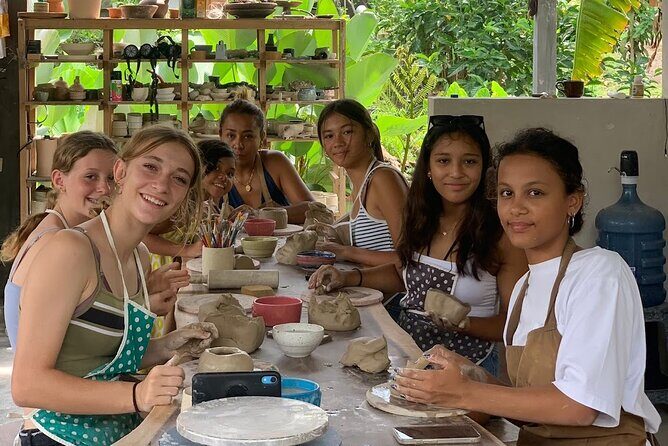
Because the class runs about 3 hours, treat it like a real appointment, not a casual stroll activity. If you’re staying around central Ubud, factor in that around 30 minutes by car to reach the studio, plus extra time for traffic.
Also, plan your other Ubud plans around the studio’s end time since it returns you back to the meeting point. You won’t be dropped into another part of the island or handed off to a new attraction, so it’s easiest if you keep your day flexible after the workshop.
Finally, if pottery is your souvenir mission, don’t wait until the last minute. The take-home note is your signal: plan your Bali dates so your workshop doesn’t land too close to your departure.
Should You Book This Ubud Pottery Class?
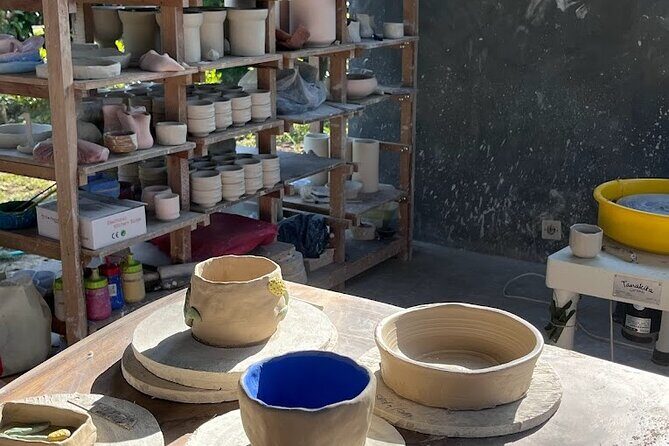
I’d book this class if you want a hands-on Bali activity that teaches real techniques. The 2kg clay inclusion, the chance to do hand-building plus wheel work, and the small group limit all point to a session where you actually learn and produce work you care about.
I wouldn’t book it if you need a take-home item the same day or you only have a couple of days left in Bali. The requirement of at least 4 remaining days for collecting your pieces is the big planning hurdle.
If you’re in Bali with time to slow down, this is one of those workshops that can be both educational and genuinely satisfying, because it turns clay into something you made with your own hands—while you’re in a calm garden studio that doesn’t feel like a factory line.
FAQ
How long is the pottery class?
The class lasts about 3 hours.
What is included in the price?
It includes a guided pottery class and 2kg of clay.
Can I take my pottery home?
If you want to take your work home, the note says you should have at least 4 remaining days in Bali.
Where is the meeting point?
The class starts at Tana ampo Pottery Studio, listed at C793+8PH, Central Singapadu, Sukawati, Gianyar Regency, Bali 80582, Indonesia. The tour ends back at the meeting point.
How many people are in the group?
The group size is capped at a maximum of 10 travelers.
When will I receive confirmation?
Confirmation will be received at the time of booking.
Is this class suitable for beginners?
The listing says most travelers can participate, and reviews describe mentors teaching from the basics.
What is the cancellation policy?
You can cancel for a full refund if you cancel up to 24 hours in advance of the experience’s start time. Free cancellation is available, and cut-off times use local time.