REVIEW · HIKING & TREKKING
Mount Agung Sunrise Trekking Tour
Book on Viator →Operated by Bali Trekking Tour · Bookable on Viator
Mount Agung sunrise hikes feel like a strict teacher. At midnight, you’ll climb Bali’s highest and holiest mountain toward a pre-dawn summit view that’s all about effort, timing, and awe. It’s a private group experience with hotel pickup, so you’re not stuck figuring out transport while the world is still asleep.
I love the practical setup: you get headlamps and trekking poles, plus a guide who stays with you the entire time. I also like the included fuel for the early hours: breakfast, coffee or tea, and bottled water before you head down.
The main drawback is the difficulty. This hike is for people with strong fitness and trekking background, and some hikers report very steep, rocky sections where the descent can feel sketchy.
In This Review
- Key things you should know before you go
- Why Mount Agung Sunrise Is a Big Deal in Bali
- Pickup Zones, Private Transport, and the “Don’t-Show-Up-Late” Timing
- The Night Trek: Besakih Temple Start and the Climb Clock
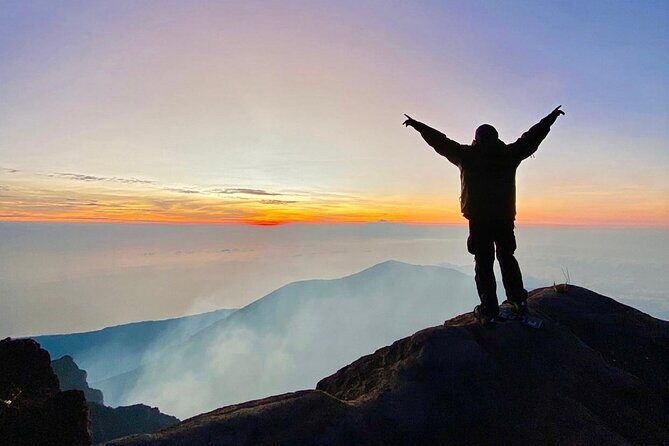
- Sunrise on the Summit Around 6am: What You’ll Actually Do Up There
- Descending After 7:30am: The Part People Underestimate
- Gear, Food, and Small Comfort Wins That Matter at Midnight
- Fitness Reality Check: This Is for Strong Trekkers, Not Beginners
- Price and Value: Is $109 Worth It?
- Weather, Terrain, and Risk: How to Make This Safer for Yourself
- Should You Book This Mount Agung Sunrise Trek?
- FAQ
- How long is the Mount Agung sunrise trekking tour?
- What time does pickup happen?
- Where do we start trekking?
- Is this a private tour?
- What gear and food are included?
- What areas have pickup service?
- Is insurance included?
Key things you should know before you go
- Private, door-to-door transport from major Bali areas, with pickup times arranged around your hotel location
- Night timing that actually works: start from Besakih Temple area and aim for summit arrival around 6am
- Basic trekking gear included: headlamp and walking stick/trekking poles so you don’t have to source equipment
- Food at the right moment: breakfast plus coffee/tea helps you get through the long dark hours
- High effort, not beginner-friendly: plan for steep terrain and a physically demanding climb
Why Mount Agung Sunrise Is a Big Deal in Bali
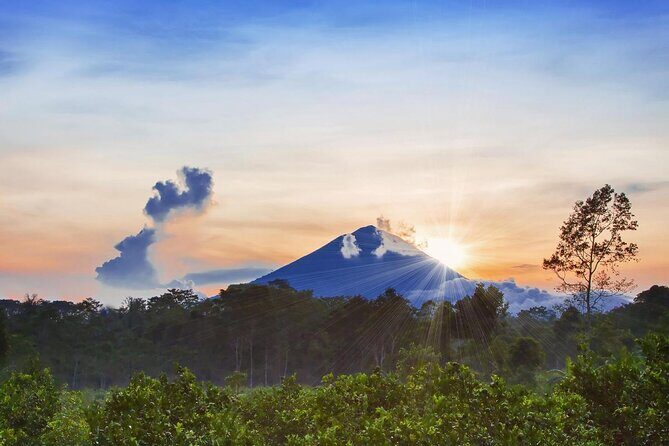
Mount Agung isn’t just tall. It’s treated as Bali’s highest and holiest mountain, and that matters for how the day feels. You’re not wandering around a viewpoint like a casual sunset stroll. You’re climbing into the dark, then waiting for light to break over the island.
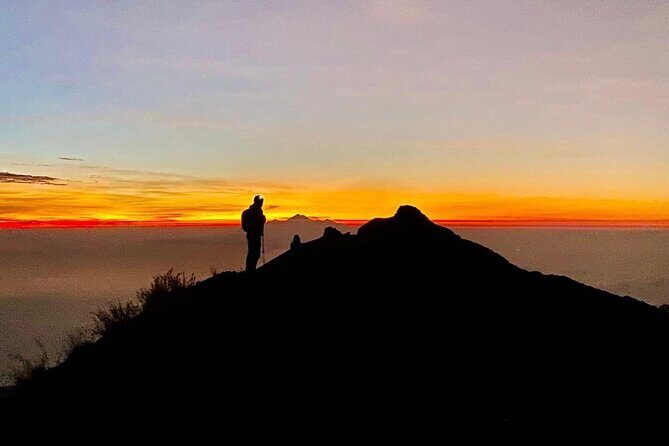
The payoff is that you’re reaching the summit around the same time the sun is starting to rise. Arriving around 6:00 AM gives you a built-in window to watch the sky shift, take in the view, and soak up the moment before you head back down. That waiting period is short enough to keep things moving, but long enough to let you actually experience sunrise rather than sprint past it.
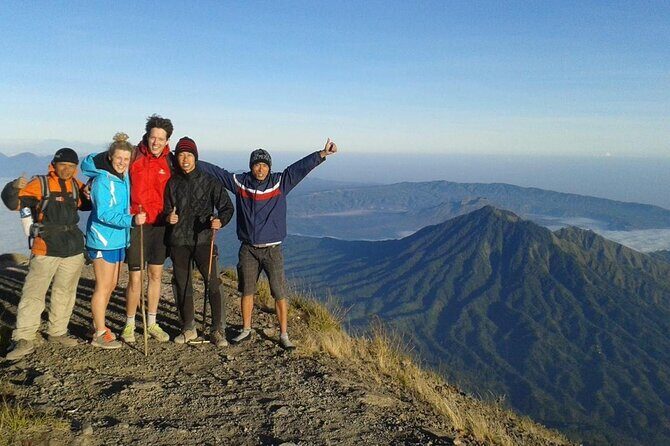
Also, it’s a guided trek. Your guide stays with you throughout, which helps when the trail is dark and you’re navigating uneven ground in the early hours.
Other Mount Agung trekking tours we have reviewed in Bali
Pickup Zones, Private Transport, and the “Don’t-Show-Up-Late” Timing
This tour is designed around a late-night start. Your pickup happens around 9:00 PM from your hotel, depending on where you’re staying. Then you’ll drive to the start area for the trek. The schedule is tight enough that you really want to be ready and waiting—because once the timing starts, it doesn’t slow down for anyone.
Pickup coverage is broad across Bali. Ubud, Sanur, Canggu, Seminyak, Kuta, and Jimbaran are listed as pickup areas with service included. If you’re staying in Sidemen, Candidasa, or Nusa Dua, pickup and drop-off are available. If your hotel is outside these zones, you’ll need to confirm what the operator can do, since the details provided focus on those locations.
One more practical point: this is a private group tour. That matters at 11:00 PM when your group is tired and the night air feels long. You’re not sharing the experience with random strangers, and you’re less likely to have everyone’s pace constantly changing mid-climb.
The Night Trek: Besakih Temple Start and the Climb Clock
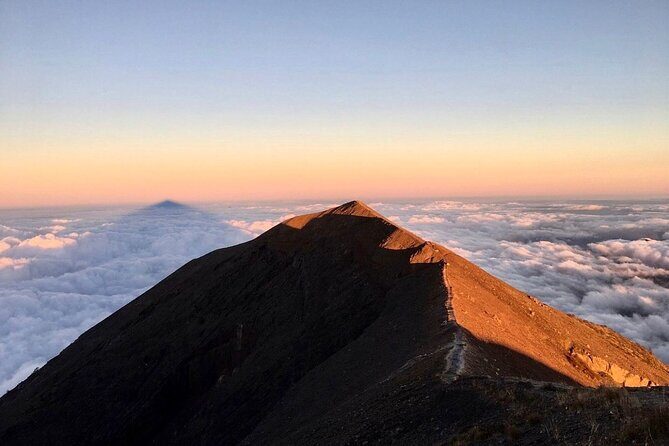
The trek centers on the Besakih Temple area. Your itinerary has Besakih Temple as the starting point around 11:00 PM, and you begin the trek shortly after, around 11:15 PM. That means you’ll transition from transport mode into walking mode in the early night.
You’ll spend the hours before sunrise moving uphill. The timing is structured so the summit arrival is around 6:00 AM, which is what gives the day its sunrise payoff. Based on the itinerary, descent begins at about 7:30 AM, and the finish point back at the road is reached much later, around 11:30 AM.
There’s also a temple-route element built into the day. The plan includes Pasar Agung Temple Route and lists Besakih Temple as a key stop, along with the surrounding Karangasem area. I like this because it gives the climb a sense of place. You’re not just hiking a trail—you’re moving through a landscape that’s tied to Bali’s spiritual geography.
A small reality check: the trek is not described as casual walking. The operator notes that these hikes are not recommended for beginners and are designed for people with experience and strong fitness. One review also complained the experience felt less like a gentle trekking hike and more like technical climbing on rocky parts—so don’t assume it will feel like an easy mountain walk just because you’re outdoors.
Sunrise on the Summit Around 6am: What You’ll Actually Do Up There
Your summit arrival is planned for around 6:00 AM, followed by time to witness the view and sunrise. That is the core moment of the tour, and the itinerary is built around it: you climb long enough to get there in time, then you pause long enough to actually see the change in the sky.
What you do during this window is simple, but important. You’ll likely spend time looking outward, taking photos, and letting the climb finally make sense. You also want to be prepared for the fact that sunrise can still be dim for a while. Your eyes need a minute to adjust, and your body will still be working off that late-night adrenaline.
One thing I take from hiker feedback: guides can make a real difference here. A review highlighted a guide named Khaki, described as 60 years old, and praised the experience as pushing personal limits. That kind of report suggests the guide isn’t just pointing the way—they’re helping you keep moving, which matters when everyone’s tired and the rocks are the only thing you can really count on.
Descending After 7:30am: The Part People Underestimate
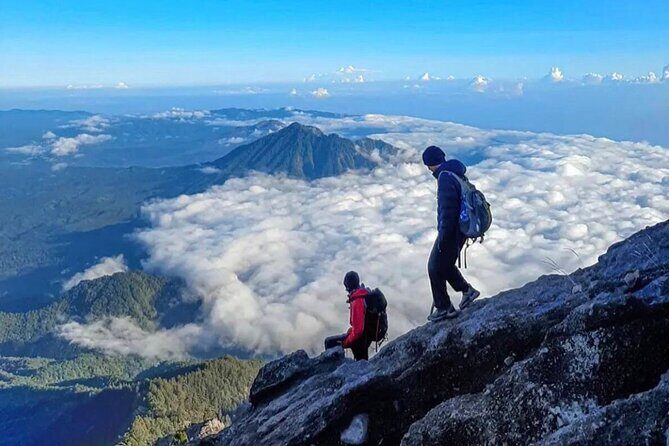
Descent starts around 7:30 AM. This is where the tone shifts from “climb and focus” to “control your feet and stay calm.” Up the mountain, your legs drive the effort. Down, your balance does. And if the path is rocky or steep (some reviewers describe it that way), the descent can feel more dangerous than the ascent.
I’m not sugarcoating this: one review said the descent felt more perilous than the climb, and another warned that some sections may involve climbing-like movement on rocks rather than just walking. That doesn’t mean you need to be a professional climber, but it does mean you should treat footing with respect.
Because headlamps are provided, the climb is illuminated in the dark. Once daylight arrives, you’ll feel relief, but you still need to watch your step. The rocks don’t care that you’re finally awake.
Eventually you reach the finish point around 11:30 AM, and then you’re picked up by car and returned to your hotel area. That long return time after sunrise is normal for a trek like this: the schedule accounts for getting people down safely and with enough time to regroup before the ride back.
Other hiking tours in Bali
Gear, Food, and Small Comfort Wins That Matter at Midnight
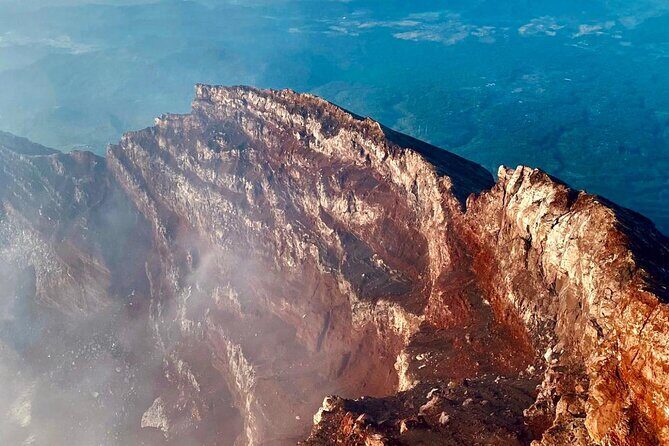
This tour includes trekking essentials that prevent unnecessary stress. You’ll have a walking stick and headlamp (listed as provided), which is a big deal for a midnight start. Headlamps let you see where your feet land, not just where the sky is. Poles help you stabilize on uneven ground when you’re tired.
Food is also built into the day in a way that makes sense. You’ll get breakfast, plus coffee or tea, and bottled water. That’s the kind of included detail that saves you from hunting for snacks before dawn. When you’re climbing for hours, you’ll be grateful someone already handled the basics.
There’s also the “transport safety net” in the schedule. You have private transportation for the day, including hotel pickup and drop-off. If you’ve ever tried to catch a ride after a hard outdoor activity, you know how much that can reduce hassle.
One more note: there’s a mobile ticket and confirmation at booking. That’s not the headline of the trip, but it helps on the day when you’d rather spend mental energy on the climb than on paperwork.
Fitness Reality Check: This Is for Strong Trekkers, Not Beginners
The operator clearly states this hike is for experienced individuals with a strong fitness level and trekking background. It also says it’s not recommended for beginners. That is the right framing, because the night-to-sunrise format compresses everything: you’re walking for hours, in the dark, then descending when you might be worn down.
Feedback also reinforces this. One review praised the experience as life-changing and mentioned how it pushed personal boundaries, with a total time around 12 hours including breaks. Another review in French emphasized how steep the ascent is and warned that people who lack good condition and regular sport activities may struggle. They even described meeting hikers who turned back during the hike.
Then there’s the strongest warning: one review in Italian argued that it doesn’t feel like a simple trek and described steep, dangerous climbing sections, where the descent can be more risky than the ascent. Whether you agree with that interpretation or not, you should treat it as a signal: don’t underestimate the terrain.
So who fits best?
- People who are comfortable with steep uphill hiking
- People who can move carefully on rocky paths for hours
- People who can handle night trekking and early mornings without falling apart
If you’re new to hiking, or you’re hoping for a gentle nature walk with sunrise views, you may end up disappointed—or worse, overextended.
Price and Value: Is $109 Worth It?
At $109 per person, this trek sits in a mid-budget zone, but it’s not just about the summit view. You’re getting a lot bundled into the price: private transportation, a trekking guide, and included gear (walking stick and headlamp). You also get breakfast, coffee or tea, and bottled water, plus the plan notes an admission ticket is included.
Value here comes from reducing friction. Midnight hiking is logistically awkward. If you had to arrange your own transport, buy headlamps, source poles, and then coordinate timing, the cost in stress could be higher than the dollar difference. Here, the schedule is already handled and the night gear is already covered.
You should still decide based on fit. If you can handle the physical demands, the bundled support feels like a good deal. If you’re unsure about your fitness, no bargain price is worth turning a sunrise into a struggle you’d rather avoid.
Weather, Terrain, and Risk: How to Make This Safer for Yourself
The provided info focuses on gear and fitness, not specific weather conditions, so I can’t promise how hot, cold, or windy it will be. But you can plan for the two things the tour clearly relies on: darkness and steep terrain.
Darkness is why the headlamp matters, and why starting from the temple area around 11:00 PM is part of the plan. Even if you’re experienced, your focus should be on step placement, not on scenic distractions.
Steep terrain is the other big factor. The reviews you’re likely to weigh talk about steep and rocky sections, and some hikers felt the descent was more dangerous. Since the tour is designed for strong trekkers, you’ll need to take responsibility for your pace. Use the poles, move slowly, and don’t try to “match” someone else’s stride just because you’re near them.
If you’re prone to rushing when you’re tired, try to set a slow pace early. The sunrise is on the clock, not on your ego.
Should You Book This Mount Agung Sunrise Trek?
Book it if you want a serious Bali mountain experience and you know you can handle a long night hike. You’ll likely enjoy it most if you:
- want a private setup with pickup from your hotel area
- are okay with an all-night schedule and a long return
- take steep, rocky trekking seriously (not casually)
Skip it if you’re a beginner, or if you’re mainly chasing a relaxed sunrise photo without technical footwork. This is not positioned as a beginner hike, and the feedback points to steepness and difficulty that can overwhelm people who aren’t ready.
If you do book: train a bit before you go, keep your expectations realistic, and plan to treat the descent with respect. The summit sunrise can be incredible—but you earn it on the way up and by staying careful on the way down.
FAQ
How long is the Mount Agung sunrise trekking tour?
The duration is listed as 8 to 10 hours (approx.), and the full day schedule runs from around 9:00 PM pickup through a return around 11:30 AM.
What time does pickup happen?
Pickup from your hotel is typically around 9:00 PM, depending on your hotel location.
Where do we start trekking?
The itinerary lists Besakih Temple as the starting point around 11:00 PM, with trekking beginning shortly after (around 11:15 PM).
Is this a private tour?
Yes. It’s described as a private group tour, meaning only your group participates.
What gear and food are included?
You’ll get a walking stick and headlamp, plus bottled water. Breakfast and coffee or tea are also included.
What areas have pickup service?
Pickup is included for Ubud, Sanur, Canggu, Seminyak, Kuta, and Jimbaran. Pickup and drop-off are also available for Sidemen, Candidasa, and Nusa Dua.
Is insurance included?
No. Insurance is listed as not included.