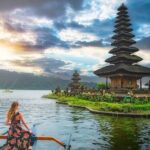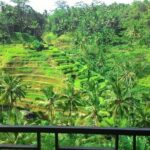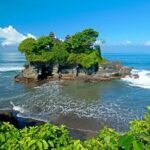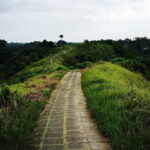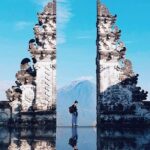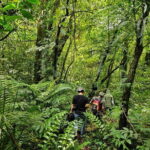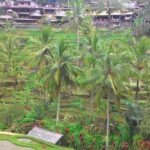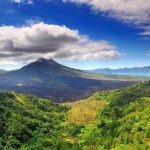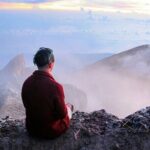
Rituals in real villages beat staged shows. This Bali day pairs a Mangku-led purification ceremony in a secluded temple by a river with a slow walk through mountain farms far from the big resorts. I also like the small group size, capped at 6, which keeps things calm and personal, even when the rituals feel serious.
Before the ceremony, you stroll a spice and herb garden and learn Rindik, a bamboo instrument, so you start the day in the right mindset. The walk and the guide’s explanations help you understand what you’re doing, not just watch it.
One catch: the purification isn’t permitted for pregnant women or during menstruation, and the experience needs good weather. If you’re not comfortable with temple clothing and water rituals, plan on having a different kind of day.
In This Review
- Key highlights at a glance
- Purification in a Bali jungle temple: what you’re really doing
- Morning pace: spice & herb garden, then Rindik music
- Dressing for the ceremony: temple clothes, offerings, and the Mangku
- The sacred river-temple setting (and what to expect from the space)
- Lunch at Warung Balikaru: simple, homemade, and part of the day
- Rice fields and Balikaru farm: animals and stingless Trigona bees
- Belulang Hot Springs: end with sulfur water and a reset
- Price and value: is $89 a fair deal?
- Who should book this purification day (and who should skip)
- Should you book this Bali purification ceremony?
- FAQ
- How long is the purification ceremony experience?
- Where does the tour start, and when?
- What is included in the purification ceremony?
- Is lunch included?
- Are there any restrictions on who can participate?
- What happens at the end of the day?
Key highlights at a glance
- Mangku-led purification at a sacred river-temple in the Mount Batukaru area
- Spice & herb garden morning plus a short Rindik bamboo-instrument lesson
- Temple clothes and offerings are provided, so you can focus on the ritual
- Warung Balikaru lunch with homemade nasi campur tumpeng
- Rice fields and Balikaru farm time, including animals and stingless Trigona bees
- Belulang Hot Springs sulfur-water soak to end the day
Purification in a Bali jungle temple: what you’re really doing
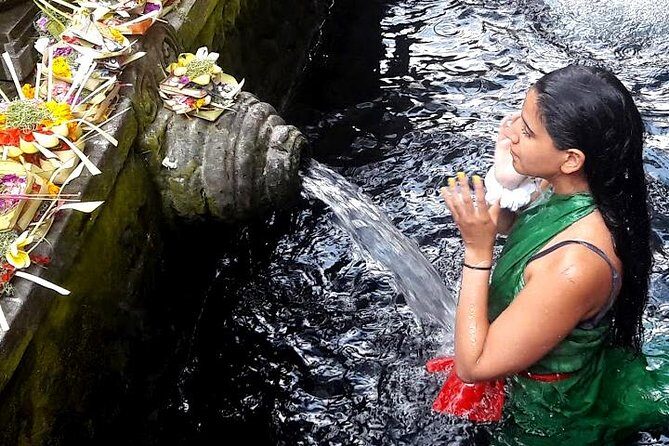
This is not a quick photo stop. It’s a structured day built around one main goal: you take part in a genuine purification and blessing ceremony with a Balinese temple priest, a Mangku. The setting matters. You’re in a mountain village at the foot of Mount Batukaru, and the temple is described as a quiet spot next to a secluded river.
What makes this feel different from a “tour version” of spirituality is how the day is paced. You don’t just arrive and jump into the ritual. You warm up with nature, with music, and with guidance on what each step is meant to do. The ceremony is intended to refresh your body and mind and give you mental room for new experiences, which is the practical reason people keep talking about it long after the day ends.
Other Bali temple tours we have reviewed
Morning pace: spice & herb garden, then Rindik music
Your day starts around 9:00am back at Warung Balikaru. Then you get the slow, sensory start first: a guided walk through a spice and herb garden. You’ll see tropical plants tied to everyday life in Bali, and you also get the sense that this isn’t just pretty scenery. It’s part of how people live and cook and care for their land.
Next comes Rindik, a Balinese bamboo instrument. You don’t just listen. The format includes time to learn to play. That matters because ritual days can feel intimidating if you show up with no context. A short hands-on music moment makes you present, and it also signals you’re expected to participate, not observe from the sidelines.
Dressing for the ceremony: temple clothes, offerings, and the Mangku
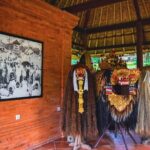
Once the mood is set, the team helps you dress in Balinese temple clothes. This is one of those “small” things that actually changes the whole feel of the day. The clothing cues respect, and it helps you understand you’re entering a sacred space with rules, not sightseeing territory.
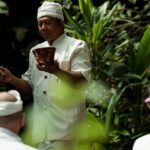
At the temple, a Mangku awaits you. The ceremony includes offerings and guidance during the blessing and purification. Your guide explains the meaning behind each ritual, and you’ll hear the sacred bells during the ceremony. That explanation piece is the difference between a ritual that feels like theatre versus one that makes sense in real life.
Practical note: you’ll be asked to follow the ceremony flow. Keep your phone away during the most sacred moments unless your guide clearly invites you to take photos. The day is designed so the impact stays focused on the local spiritual practice and village life, not on outside distractions.
The sacred river-temple setting (and what to expect from the space)
The temple is described as being at a magical spot next to a secluded river. That detail matters more than you might think. Sound and stillness are part of the ceremony. Bells, chanting or guidance from the Mangku, and the river’s presence combine to create a calm environment that supports concentration.
Also, this is a mountain village setting. The day’s structure includes walking through farm areas and spending time outdoors. If you’re traveling with mobility limits, you might want to ask in advance how much walking is involved on uneven ground, since the program includes rice fields, farm visits, and a hot-springs stop.
Lunch at Warung Balikaru: simple, homemade, and part of the day
After the ceremony, you’ll enjoy a homemade Balinese lunch at an authentic village warung. The menu is described as nasi campur tumpeng. In plain terms, it’s a hearty meal that fits the rhythm of the day: nourish first, then keep going.
I like that lunch is not an afterthought. It’s placed right after the ceremony, so you’re not trying to eat while you’re still emotionally or spiritually switched on. It’s also tied to the village experience, which helps the day feel grounded in everyday Balinese hospitality rather than a separate “eat stop.”
If you have dietary requirements, the experience can accommodate vegetarian needs when you indicate them at booking.
Other spiritual and ceremony experiences in Bali
Rice fields and Balikaru farm: animals and stingless Trigona bees
In the afternoon, you meet a farmer in the rice fields and join the next part of the village rhythm. You’ll also visit Balikaru farm, where you can meet the animals and see stingless Trigona bees.
That bee detail is more than trivia. Stingless Trigona bees are part of local agriculture and ecology, and seeing them in the context of a working farm helps you understand how “nature and spirituality” are linked here. It’s not just a scenic tagline. It’s about living alongside the land.
You’ll also chat with villagers. The program is designed to keep your interaction close to daily life, not just packaged storytelling. With a group size kept small, conversation tends to be easier and less rushed.
Belulang Hot Springs: end with sulfur water and a reset
To wrap up, the day ends at Belulang Hot Springs. Locals bathe in the natural sulfur water, and that’s the logical payoff after a purification ceremony and hours of outdoor time.
What you can take from this part is simple: it’s a reset. Your mind has been focused on ritual, then your body gets a chance to relax. Sulfur baths can also be part of many traditional routines, so it feels consistent with the theme of restoration.
Bring a practical mindset. You’re going from temple and farm settings into hot springs water. So plan for wet conditions, and if you have a change of clothes option available, it will make the drive home easier.
Price and value: is $89 a fair deal?
The price is $89.00 per person for a day that runs about 3 hours 30 minutes. That’s not a budget workshop, but it also isn’t a “fancy ritual only” price tag. You’re paying for real structure and real components.
Here’s what’s included:
- English-speaking guide
- welcome drink
- Rindik learning
- purification and blessing ceremony led by the Mangku
- offerings and temple clothes rental
- homemade lunch (nasi campur tumpeng)
- spice and herb garden tour
- visit to Balikaru farm (animals and Trigona bees)
- farewell gift
- personal photo memories sent by email
And the group size max is 6 people, which helps with attention during a ceremony that’s the star of the day. If you’re the type of traveler who likes cultural depth and doesn’t want to feel herded, the small-group value is real.
What’s not included is tips, drinks, and personal expenses. So budget for those, and keep in mind you’re also likely to purchase water or snacks depending on your own routine.
Who should book this purification day (and who should skip)
This is a great fit if you want a Bali cultural day that’s built around participation, meaning, and place—not just scenery. You’ll likely enjoy it most if you:
- like structured cultural activities with clear explanations
- want a calm, small-group format
- enjoy nature walks (spices, rice fields) and farm life
- are okay with temple clothing and respectful ceremony behavior
You should skip (or look for an alternative) if the purification ritual restrictions apply to you. The program states it’s not permitted during menstruation and for pregnant women. Also, if your schedule can’t handle the reality that the experience requires good weather, you’ll want flexibility.
Should you book this Bali purification ceremony?
If your goal is authentic spirituality in daily village life, this is the kind of day that can actually shift how you see the island. The combination of Mangku-led ceremony, a farm-and-ecology afternoon, and hot springs recovery makes the day feel complete instead of fragmented.
I’d book it if you’re willing to slow down and follow the ritual rhythm. I’d think twice if you only want light sightseeing, or if the ceremony restrictions or weather dependence would be a deal-breaker for your plans.
FAQ
How long is the purification ceremony experience?
It runs about 3 hours 30 minutes.
Where does the tour start, and when?
It starts at Warung Balikaru in Belulang Village, Mengesta (Penebel, Tabanan), and the start time is 9:00am. The activity ends back at the meeting point.
What is included in the purification ceremony?
You get an English-speaking guide, welcome drink, a Rindik (bamboo instrument) activity, the Balinese purification and blessing ceremony with a Mangku, plus offerings and temple clothes rental.
Is lunch included?
Yes. Lunch is homemade Balinese nasi campur tumpeng served at a village warung.
Are there any restrictions on who can participate?
The purification and blessing ceremony is not permitted during female menstruation and for pregnant women.
What happens at the end of the day?
You finish at Belulang Hot Springs, where locals bathe in natural sulfur water, and then return to the meeting point.