REVIEW · PRIVATE DRIVERS
Bali Spiritual: Blessing Ceremony, Pristine Nature and Transfer
Book on Viator →Operated by Balikaru · Bookable on Viator
One quiet ritual can change the shape of your whole day. This Bali outing pairs a Mangku-led purification ceremony in a secluded jungle temple with real village life around Mount Batukaru. You’ll also spend time in the Balikaru area—gardens, rice work, animals, and even honey made by stingless bees.
I like how practical the day is: hotel pickup, an English-speaking guide, and a small group cap of just 6 people. I also love that the experience isn’t framed as a spectacle—it’s built around meaningful spiritual practice, a local lunch, and nature time that actually feels local.
One consideration: the purification/blessing isn’t permitted during menstruation and isn’t allowed for pregnant travelers, so it matters to plan if anyone in your group can’t participate.
In This Review
- Key Things to Know Before You Go
- Choosing the Batukaru Foothills: Start Time, Pace, and Where You Go
- Balikaru Garden, Jamu, and Learning Rindik Bamboo Music
- The Jungle Temple Blessing With a Mangku: How to Prepare and Participate
- Homemade Village Lunch at the Warung: What You’re Really Paying For
- Balikaru Farm Life: Rice Planting, Animals, and Stingless Trigona Bees
- Belulang Hot Spring Stop: Optional Relaxation in the Middle of Nature
- Air Terjun Pengempu Waterfall and the Mountain Village Walk
- Price, Group Size, and Transfers: Is $115 Good Value?
- Should You Book This Tour?
- FAQ
- What time does the experience start?
- How long is the tour?
- How much does it cost?
- Is hotel pickup included?
- How big is the group?
- What is included in the purification ceremony?
- Is Belulang hot spring part of the schedule?
- Can the tour accommodate dietary needs?
- Are there any restrictions on who can take part in the ceremony?
- Are service animals allowed?
Key Things to Know Before You Go
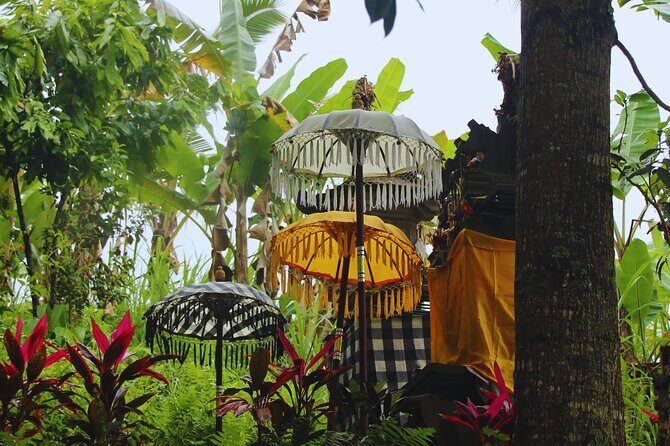
- Mangku purification ceremony with offerings and provided temple clothes
- Rindik bamboo instrument lesson plus a jamu welcome drink
- Homemade Balinese lunch at an authentic village Warung
- Balikaru farm time with animals, rice-planting, and stingless Trigona bee honey tasting
- Belulang hot spring (optional) and a stop at Air Terjun Pengempu waterfall
- Small-group pacing (max 6) with hotel transfer and photo memories by email
Choosing the Batukaru Foothills: Start Time, Pace, and Where You Go
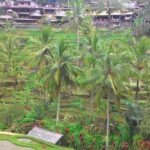
You start early, around 7:30 am, which instantly helps you escape the worst of the crowds and the heat. The area you’re heading toward sits at the foot of Mount Batukaru, surrounded by rice terraces, so even when you’re just traveling, the scenery tends to feel calmer than Bali’s most crowded strips.
The day runs about 8 hours, but it doesn’t feel rushed in the usual “van-to-van” way. With a maximum of 6 travelers, you’re more likely to get a guide who can answer questions without everyone hearing the same canned explanation. That matters a lot for a spiritual experience, because you’ll want time to understand what’s happening and why.
Logistics are also set up for comfort: you’re in an air-conditioned vehicle, and the guide speaks English (other languages are possible but come with a surcharge). If you’re relying on a pickup, this kind of transfer makes the early start much less stressful.
Other spiritual and ceremony experiences in Bali
Balikaru Garden, Jamu, and Learning Rindik Bamboo Music
Before you get to the main ritual, you ease into the day with softer, village-scale experiences. You’ll stop at a colorful flower market, then spend time walking through the Balikaru garden with colorful blossoms plus tropical herbs and spices. It’s the kind of stop that doesn’t just look good on a photo—it gives your brain a chance to shift from travel mode into slow-mode.
You’ll also get a jamu welcome drink. Jamu is part of everyday Balinese life, and having it here feels less like a gimmick and more like the day’s opening ritual for your senses. If you like trying regional drinks, this is a neat detail that starts the experience on the right foot.
Then comes the sound part: you’ll learn to play Rindik, a traditional bamboo instrument. The listing doesn’t turn it into a long lesson, but it’s hands-on enough to give you a real memory, not just a “we watched a performance” moment. For many people, this is the first time the day feels genuinely interactive.
The Jungle Temple Blessing With a Mangku: How to Prepare and Participate
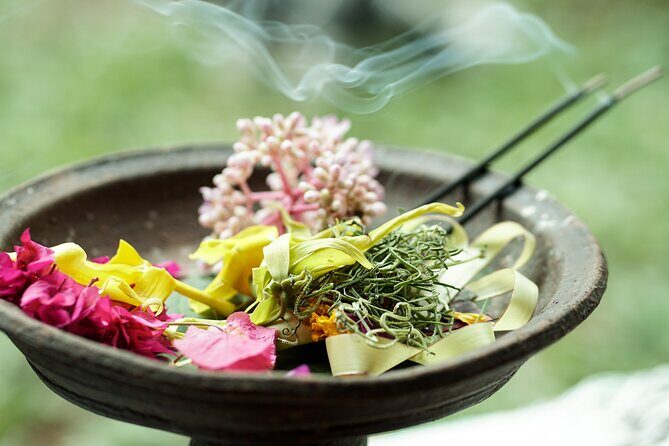
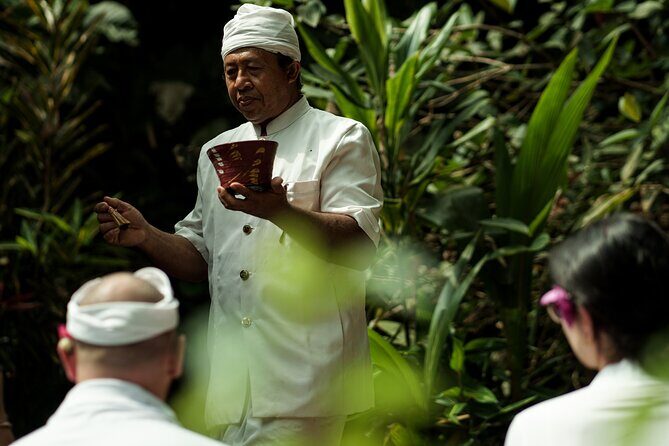
The highlight is the purification/blessing ceremony at a hidden jungle temple beside a tranquil river. This is not positioned like a dance show. You’re dressed in Balinese temple clothes, you prepare offerings of flowers and incense, and a local priest called a Mangku guides you through the ritual.
Here’s what to take seriously: the ceremony has rules. It’s not permitted during female menstruation, and it’s not allowed for pregnant travelers. If you’re traveling with someone affected by either situation, you’ll want to decide how the group handles participation before you go—because the ritual portion isn’t something you can “opt out of” halfway and still do everything else the same way.
If you can participate, plan your mindset. You don’t need to be religious to treat this respectfully. What you do need is patience—there are quiet moments, and the point is cleansing and blessing, not photo-taking speed. The best way to get value from a ceremony like this is to slow down enough to notice the small parts: the guidance from the Mangku, the rhythm of offerings, and the calm setting by the river.
This part is also where the tour earns its “value” beyond sightseeing. You’re paying for access, guidance, and the chance to take part in a practice that locals treat as meaningful—not as entertainment.
Homemade Village Lunch at the Warung: What You’re Really Paying For
After the ceremony, you’ll have homemade Balinese lunch at an authentic village Warung. This is one of those stops that you can easily treat as a break—but it’s also part of the tour’s core idea: your day supports the families and daily rhythm of the community.
The meal itself is included, which helps budget travelers a lot, since drinks and personal expenses aren’t included. If you’re picky about water and timing, I’d plan on grabbing water separately or bringing your own where appropriate (based on local rules and your comfort level).
If you have diet needs, this tour can handle it: they can accommodate dietary requirements such as vegetarian, as long as you note it at booking. That’s not a small detail—Bali can be tough for travelers who need consistent meal options, especially when you’re away from big restaurant areas.
What makes the Warung lunch feel valuable is the setting and timing. You’re not eating after a long “cue line” attraction. You’re eating after a spiritual ritual and a nature portion of the day, so the food lands more like a village meal than a rushed refuel.
And yes, there’s also a chance to connect with people beyond a transaction. Even without a formal “meet the family” pitch, the day keeps pulling you toward village hospitality.
Balikaru Farm Life: Rice Planting, Animals, and Stingless Trigona Bees
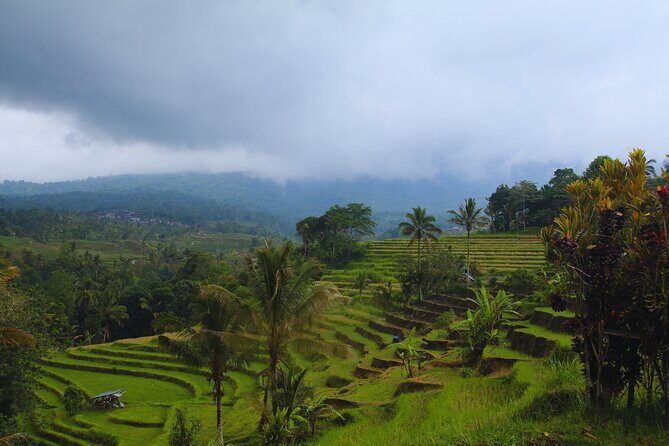
This is the section that turns your tour from cultural learning into hands-on countryside time. You’ll walk through a unique Balikaru garden, then visit a Balikaru farm with animals and a focus on how people live and work here.
One of the most memorable parts is learning about stingless Trigona bees. You’ll hear about them in the context of the farm, and you’ll even get to taste Trigona honey, described as a rare, healthy honey. I like this stop because it’s specific. It’s not generic “beekeeping demo” talk—it’s tied to what the farm grows and keeps.
Then you’ll join a farmer in planting rice. This isn’t a quick “pose for a second” activity; it’s a real agriculture moment in a rice-growing landscape. Even if you’re not a garden person, planting rice helps you understand Bali beyond temples and bars—it shows you how much of the island’s “beauty” comes from daily work.
You’ll also meet friendly animals at the farm. Again, this isn’t an animal-park scenario described in detail, so I wouldn’t assume anything beyond the tour’s promise of animal time. But in the context of a nature day, it tends to feel like a gentle, rural interlude.
This whole farm block is a big reason the day works for people who like nature and spirituality together. The theme stays consistent: you’re seeing how land, ritual, and community connect.
A few more Bali tours and experiences worth a look




Belulang Hot Spring Stop: Optional Relaxation in the Middle of Nature
At some point you’ll reach Belulang Hot Spring, listed as optional for bathing. This is the kind of stop that can genuinely help you handle a full day outdoors—especially if you’ve been standing during walking portions or sitting quietly for the ceremony.
The word optional matters. If hot springs are your thing, you’ll probably enjoy it as a decompression break. If you’re not into soaking, you can treat it as a scenic pause instead of a mandatory activity.
One practical note: since drinks aren’t included, you’ll want to pace your water and energy during the hottest parts of the day. Hot spring stops can tempt you to forget basics because everything feels slow and soothing. Don’t.
Also remember this day involves multiple stops and walking on uneven village paths. If you’re deciding between shoes and flip-flops, pick what feels stable for you.
Air Terjun Pengempu Waterfall and the Mountain Village Walk
The late-day payoff is Air Terjun Pengempu, a hidden waterfall stop. Waterfalls can become crowded, but this is presented as a quieter location, which fits the tour’s whole tone: leave the mainstream trails behind and spend time where the day feels local.
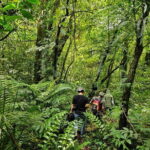
Before you finish, you’ll take a peaceful walk through the picturesque mountain village. This is a nice counterbalance to the earlier ritual and farm work. If you’ve been “doing” all day—offering incense, learning Rindik, planting rice—this walk is where you let it sink in.
Timing is also designed so you can end comfortably: you return to your hotel in the late afternoon, carrying that quiet sense of the mountains and village warmth.
When I think about the best value moments in tours like this, it’s usually the final nature stop plus the feeling that you’re leaving calmer than you arrived. Air Terjun Pengempu and the village walk aim for exactly that.
Price, Group Size, and Transfers: Is $115 Good Value?
At $115 per person, the price is in the “affordable day tour” zone, not a luxury multi-day escape. The real question is whether you’re getting more than standard touring.
You are, because you get a cluster of included experiences that normally cost extra elsewhere:
- pickup/transfer in an air-conditioned vehicle
- an English-speaking guide
- temple clothes and offerings tied to a purification/blessing ceremony
- a Mangku-led ritual (not just observation)
- homemade Warung lunch
- Rindik learning
- farm time including rice planting
- Trigona honey tasting
- optional Belulang hot spring
- a hidden waterfall stop
- a farewell gift plus personal photo memories by email
Add in the small group size (max 6) and it starts to look like you’re paying for access and attention, not just transportation. There’s also mention of group discounts and a mobile ticket, which is helpful if you’re coordinating with friends.
So who gets best value? People who want a day that feels like Bali is living around you, not lined up for you. If your idea of a Bali tour is only beaches and shopping stops, this won’t match that vibe. But if you want nature, ritual, and village life in one coherent day, $115 can feel very reasonable.
Should You Book This Tour?
Book it if you want a Bali day that’s more than photos: a real spiritual blessing ceremony guided by a Mangku, time with Balikaru garden and farm, and nature breaks that still feel quiet. You’ll also like it if you appreciate practical touring—pickup, an air-conditioned ride, included lunch, and a guide who can keep the group moving at an understandable pace.
Skip—or at least think carefully—if anyone in your group can’t participate in the ritual due to the stated restrictions (menstruation or pregnancy). Also be honest about your comfort level with walking and spending much of the day outdoors.
If you’re aiming for a meaningful day in Bali’s mountains, this one is the kind that tends to stick with you after you’ve left.
FAQ
What time does the experience start?
It starts at 7:30 am.
How long is the tour?
The duration is about 8 hours.
How much does it cost?
The price is $115.00 per person.
Is hotel pickup included?
Pickup is offered, and the tour includes an air-conditioned vehicle for transfer.
How big is the group?
The tour has a maximum of 6 travelers.
What is included in the purification ceremony?
You’ll participate in a Balinese purification/blessing ceremony with a local temple priest (Mangku). You’ll also prepare offerings, and you’ll use offerings and temple clothes that are provided/rented.
Is Belulang hot spring part of the schedule?
Belulang hot spring is included as an optional bath.
Can the tour accommodate dietary needs?
Yes. Vegetarian options are available, and other dietary requirements can be accommodated if you indicate them at booking.
Are there any restrictions on who can take part in the ceremony?
The purification/blessing ceremony is not permitted during female menstruation and is not permitted for pregnant travelers.
Are service animals allowed?
Yes, service animals are allowed.