REVIEW · KUTA
PADI Open Water Course
Book on Viator →Operated by Neptune Scuba Diving · Bookable on Viator
A calm start to real scuba skills. The PADI Open Water Course is the foundation you’ll rely on for your whole scuba life, and it’s run through Neptune’s team in Bali. I like the way the program has clear phases (knowledge work, pool training, then open-water practice), and I also like the human touch—names like Julian, Muli, and Gede Ariawan show up in instructor support I’d count on for first-timers.
A big consideration is health screening. You’ll complete a health questionnaire, and some conditions (like asthma, heart issues, epilepsy, a current cold/congestion, or coronary disease) may stop you from diving, plus diving within 18 hours of flying isn’t recommended.
In This Review
- Key Highlights You’ll Care About
- Kuta to Sanur: how this course sets you up for an easy start
- Price and value: what $530 covers (and what costs extra)
- Day 1: Knowledge Development that makes the water training feel manageable
- Day 2: Pool Training and why it’s where you build real confidence
- Day 3: Four open-water training sessions in Padang Bai and Tulamben
- Neptune’s team: patient instruction and small-group attention
- What a typical day feels like (without making it sound dramatic)
- Gear and photos: plan for what’s included and what you’ll buy later
- Safety rules you can’t skip: health, flying, and readiness
- Who this course is best for (and who should rethink the timing)
- After certification: keeping momentum in Bali
- Should you book the PADI Open Water Course with Neptune in Bali?
- FAQ
- How long is the PADI Open Water Course?
- Where does the course start and end?
- What is included in the $530 price?
- What is not included?
- What open-water training locations are included?
- What health requirements do I need to meet?
- Is there a minimum age and how many people are in a group?
- What is the cancellation policy?
Key Highlights You’ll Care About
- Three-day PADI structure: knowledge work, pool training, then open-water skills practice
- 4 open-water training sessions across Padang Bai and Tulamben
- Hotel pickup + air-conditioned minivan for smoother transfers
- Maximum group size: 3 people, so you’re not lost in the crowd
- Included meals and breaks: lunch, coffee/tea, snacks, and bottled water
Kuta to Sanur: how this course sets you up for an easy start
Even though the course is advertised for Kuta, your actual meeting point is at Neptune’s Bali location in Sanur Kauh (Jl. Suka Merta, Denpasar Selatan). Practically, that means you’re not starting in Kuta proper on the first morning, but you still get hotel pickup and drop-off, plus transport by air-conditioned minivan.
It’s also helpful that the operation runs broadly through the day, with opening hours 7:00 AM to 6:00 PM. When you’re doing a skills-based course, timing matters—your day shouldn’t feel like a rushed scramble.
If you're still narrowing it down, here are other tours in Kuta we've reviewed.
Price and value: what $530 covers (and what costs extra)
At $530 per person for about 3 days, the value comes from what’s bundled in, not just the label “PADI course.” Your price includes all taxes, fees, and handling charges, a professional guide, bottled water, lunch, coffee and/or tea, and snacks. You also get the driver/guide, plus hotel pickup and drop-off and transportation by air-conditioned minivan.
One thing that isn’t included is souvenir photos. If you like having keepsakes, budget for that upfront so it doesn’t feel like an unexpected add-on during a big emotional milestone.
Also, the course is typically booked around 11 days in advance on average. If your calendar is tight—especially in busier months—booking earlier usually helps you line up the right days for pool time and open-water practice.
Day 1: Knowledge Development that makes the water training feel manageable
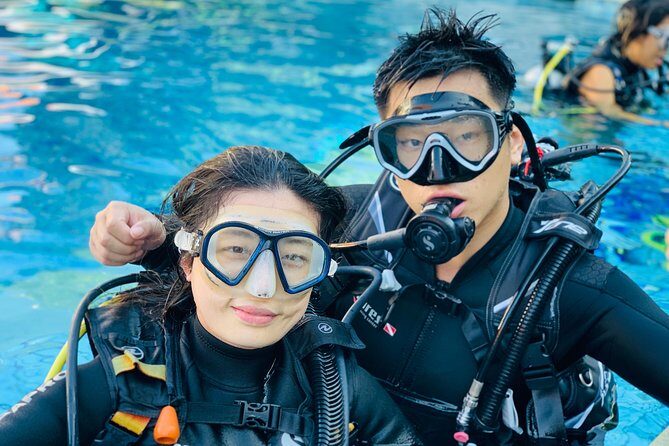
The course is built in three phases over three days: Knowledge Development, then pool training, then your four open-water training sessions. The “knowledge” part matters because it turns scuba from a set of random steps into a system you can explain to yourself under stress.
This is also where you learn the skills you’ll keep using long after certification—things like what to monitor, how equipment ties into safety, and how to handle common situations calmly. For beginners, that mental structure is often the difference between panic and control.
If you’re able to handle pre-course prep, some students do the PADI theory online before arriving. That can make your first day feel less like starting from zero, and more like getting guided through the final checks and questions.
Day 2: Pool Training and why it’s where you build real confidence
Pool training is not just a warm-up. It’s where you learn to control your body in the water—especially skills tied to balance and buoyancy. When instructors are patient and methodical, you learn faster and you feel safer during the first open-water sessions.
I’m drawn to how Neptune’s teaching approach shows up in real feedback. Names like Muli come up for being encouraging, patient, and willing to help fix buoyancy control. That’s important if you’re not a confident swimmer, because your goal isn’t athletic perfection—it’s learning the technique with support.
Pool time also helps you build comfort with the gear and the routine of checks. You’re training your hands and your habits so that when you move to open water, you’re not doing everything for the first time.
Day 3: Four open-water training sessions in Padang Bai and Tulamben
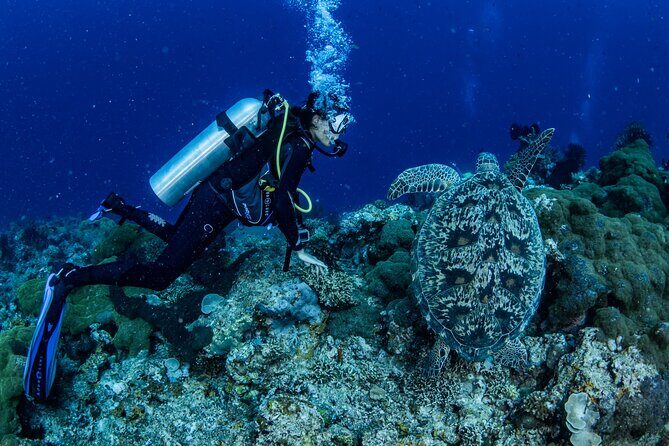
Your open-water practice is split between Padang Bai and Tulamben, with four open-water training sessions included as part of the PADI Open Water path. This is where you apply what you learned in the classroom and pool, and it’s also where the course proves it can translate skills into real conditions.
Two different locations are a smart choice for a first certification course. It keeps the experience from being purely repetitive, and it gives you practice in slightly different underwater and surface conditions—useful for building adaptability.
The bigger picture goal is certification: once you’re Open Water certified, you can dive safely to a maximum depth of 18 meters (with the limits and rules that apply to Open Water certification). Even if your training day feels like “just practice,” it’s designed to get you to that independence level.





Neptune’s team: patient instruction and small-group attention
The strongest theme in the feedback is support. People mention instructors like Gede Ariawan, Julian, Muli, and guides like Agus showing up with professional care. You see the same pattern across names: calm teaching, clear explanations, and patience when someone needs extra time.
That small-group cap is huge here. The course has a maximum of 3 travelers, which usually means more direct attention during skills practice. In a course like this, that’s not a luxury—it’s part of how you build the confidence to operate equipment and follow procedures without second-guessing yourself.
If you’re coming in alone, pairing can also happen based on course flow and safety needs. One of the practical benefits of a tight group is that your instructor can adjust pacing without juggling a full class.
What a typical day feels like (without making it sound dramatic)
Even with a structured course, expect the schedule to feel like a sequence of learning blocks: classroom knowledge, then controlled pool work, then open-water training. Transport and meals are handled for you, which keeps the day focused on learning instead of logistics.
You’ll have lunch, snacks, and coffee/tea, plus bottled water. That sounds minor, but when you’re learning a new skill set under physical conditions, it matters. It helps you stay fed and hydrated so you’re not running on empty between exercises.
The course also includes a professional guide and a driver/guide, which reduces stress when the day is moving between locations like Padang Bai and Tulamben.
Gear and photos: plan for what’s included and what you’ll buy later
Your course price covers a lot of the practical day-to-day support, but souvenir photos are not included. If your motivation is partly about documenting your “first certified moments,” you may want to look at photo options during the course so you’re not making decisions while tired.
Other than that, the data doesn’t list specific gear inclusions line-by-line. What I’d take from the structure is this: you’re training in a way that assumes professional oversight, and you’ll be guided through the needed equipment and safety steps as you go.
Safety rules you can’t skip: health, flying, and readiness
This is the part you should read twice. Diving isn’t recommended if you fly and then dive too soon: diving within 18 hours of flying is not recommended. You’ll also be required to complete a health questionnaire before you enter the water.
The medical notes listed are serious and specific. They include respiratory and circulatory health must be good, all body air spaces must be normal, and conditions like coronary disease, a current cold or congestion, or epilepsy can prevent you from diving. You also shouldn’t dive if you’re under the influence of alcohol or drugs.
My practical advice: if you’re unsure about any symptom—especially congestion—ask a doctor before travel. For a first certification course, it’s better to pause and verify than to risk a forced stop on the first day.
Who this course is best for (and who should rethink the timing)
The course lists minimum age 10 years, and it states most people can participate, as long as health requirements are met. If you’re a confident swimmer, you’ll likely progress quickly, but the course isn’t only for strong swimmers.
The feedback mentions support for people who weren’t great swimmers at the start. That tells me the instructors plan to teach technique, not punish you for nerves. Patient instruction—like the kind associated with Muli and Gede Ariawan—often means you can build comfort step by step.
If you’re older, traveling as a family, or bringing a teen, this structure can be a good fit because the course is scheduled into manageable phases. Still, keep the medical rules in mind and don’t treat the questionnaire as a formality.
After certification: keeping momentum in Bali
What I like about doing the Open Water course in Bali through a larger scuba operator is the “continue if you want” pathway. Some people build on their training with additional underwater outings after certification through the same team.
That’s not required for certification, but it can help if you want more practice time right away. Your skills often improve faster when you keep the routine going rather than letting months pass.
Should you book the PADI Open Water Course with Neptune in Bali?
If you want a straightforward 3-day PADI Open Water path with hotel pickup, a small group size (max 3), and strong instructor support, this is a solid option. The inclusion of lunch, snacks, water, and transport makes the day feel easier to manage, especially if you’re starting from Kuta but training from Sanur.
I’d book it if:
- you want the full PADI Open Water structure (knowledge + pool + open-water practice)
- you like the idea of getting more personal attention in a small group
- you’re ready to follow the health rules and plan around flying timing
I’d think twice if:
- you have any respiratory or circulatory concerns listed in the medical screening notes
- you’re likely to fly shortly before the start and can’t adjust timing
FAQ
How long is the PADI Open Water Course?
It runs for about 3 days.
Where does the course start and end?
It starts at Neptune’s meeting point in Sanur (Jl. Suka Merta, Sanur Kauh, Denpasar Selatan) and ends back at the same meeting point.
What is included in the $530 price?
The price includes taxes and fees, bottled water, lunch, coffee and/or tea, snacks, a driver/guide, a professional guide, hotel pickup and drop-off, and air-conditioned minivan transport.
What is not included?
Souvenir photos are available for purchase but are not included in the price.
What open-water training locations are included?
Your open-water practice is in Padang Bai and Tulamben, with a total of 4 open-water training sessions included.
What health requirements do I need to meet?
You must complete a health questionnaire. You should not dive with issues like a current cold or congestion, certain heart or respiratory conditions, epilepsy, or if you’re under the influence of alcohol or drugs. You also need normal and healthy body air spaces.
Is there a minimum age and how many people are in a group?
The minimum age is 10 years, and the maximum group size is 3 travelers.
What is the cancellation policy?
You can cancel for free up to 24 hours in advance for a full refund. If you cancel less than 24 hours before the start time, the amount paid will not be refunded.