Ubud plus Kintamani in one smooth day. This all-inclusive private outing strings together Bali’s inland highlights: temples, artisan stops, Ubud culture, and time for volcano viewpoints around Kintamani, all without the stress of buses or taxi math. I especially love having a driver who acts like a guide all day, so each stop comes with context instead of just photos.
Two things I really like: you get a full set of included basics (entry tickets, bottled water, and lunch), and you keep moving at a comfortable rhythm for a ~10-hour day. A possible drawback is that the plan depends on good weather; if clouds roll in, the volcano-view payoff can feel less dramatic.
In This Review
- Key Takeaways Before You Go
- Why This Ubud and Kintamani Day Tour Feels Efficient
- Price and What You’re Actually Paying For ($67.20)
- Hotel Pickup and the Flow of a 10-Hour Day
- Celuk Craft at Sunsri House of Jewelry (Why Art Stops Matter)
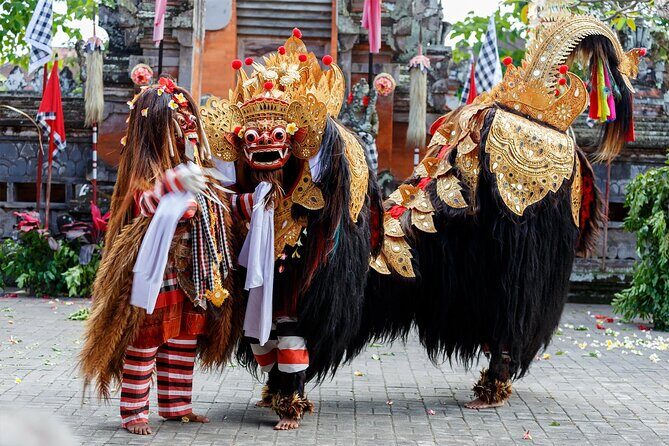
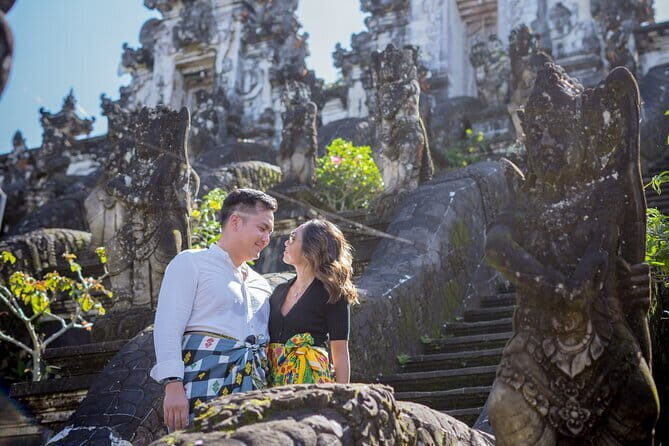
- Batuan Temple: Calm Ornaments and Local Temple Life
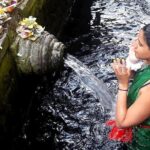
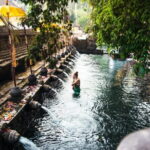
- Tirta Empul Holy Water Temple: Worship You Can Feel
- Satria Agrowisata Coffee and Tea Tasting (Including Kopi Luwak)
- Lunch at The Amora Bali: Mount Batur Views While You Reset
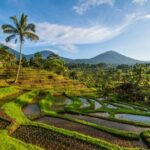
- Tegalalang Rice Terrace: Photos, Farmers, and Timing
- Monkey Forest in Ubud: A Quick Nature Hit
- Bali Swing and Ubud Art Market: Two Different Moods in One Block
- What Makes the Guide Experience So Valuable (Including Putu)
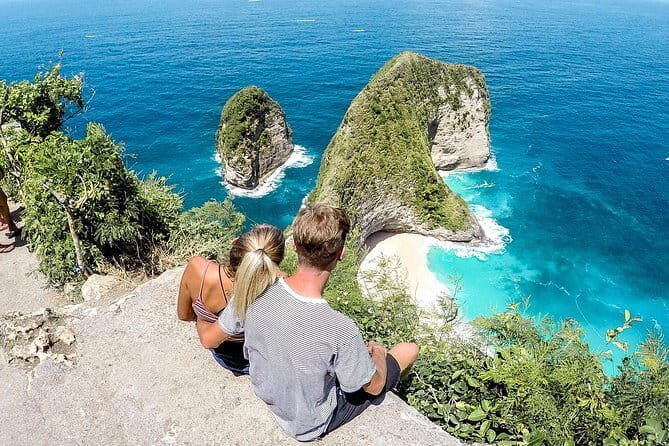
- Weather, Volcano Views, and How to Keep Expectations Real
- Who This Tour Fits Best
- Should You Book This Ubud and Kintamani Volcano View Day Tour?
- FAQ
- What time does the tour start?
- How long is the Bali day tour?
- Is this tour private?
- Where does pickup happen?
- What’s included in the price?
- Is lunch included?
- Do I need to use a mobile ticket?
- Is the tour dependent on weather?
- Can I cancel for a full refund?
- Is a baby car seat available?
Key Takeaways Before You Go
- Private, guided pace: Your driver stays with you and helps connect the dots between temples, craft villages, and viewpoints.
- Included entry + lunch: You’re not juggling tickets while you’re trying to enjoy Bali’s sights.
- Celuk craft watching: A stop at Sunsri shows how artisan jewelry is made, from design through assembly.
- Tirta Empul’s holy-water ritual: This temple visit is more than scenery—it’s about worship and sacred springs.
- Coffee tasting in a jungle setting: Satria Agrowisata gives you a guided taste around Bali’s famous brews, including kopi luwak.
- Ubud icons in one day: Tegalalang rice terraces, Monkey Forest, and Ubud’s art market all fit into the circuit.
Why This Ubud and Kintamani Day Tour Feels Efficient
If you only have one full day in Bali, you usually face a tradeoff: either you see a lot by yourself and spend energy figuring out transport, or you see fewer places and keep it relaxed. This tour does the first option, but in a calmer way—your private transportation and driver-guide handle the moving parts.
The big value here is that the inland loop is built around variety. You start in Ubud’s cultural zone, swing through temple areas, then move toward Kintamani’s volcano-view territory. Along the way, you’re not just “ticking attractions.” You get craft making, a temple with sacred springs, coffee/tea tasting, rice terraces, and time in Ubud for art and nature.
One more practical win: because it’s private, your day can be adjusted to how you feel. If you want more time for photos at a view spot or to slow down around the rice terraces, you have more flexibility than a fixed group tour.
If you're still narrowing it down, here are other tours in Kuta we've reviewed.


Price and What You’re Actually Paying For ($67.20)
At $67.20 per person, the ticket price may look “reasonable” or “slightly high” depending on how you’re thinking about value. Here’s what changes the equation: the tour includes hotel transfers, entry tickets, bottled water, and lunch.
On a self-planned day, entry fees add up, and so does the cost and time friction of transport. Even if you’re good at arranging rides, you still end up paying for driver time, fuel, and parking/stop delays. With this format, you pay once and the day runs as a package.
Also, your driver is described as acting as a guide throughout the day and the tour is private. That matters more than people expect: you spend less time asking random questions at each stop and more time understanding why each place looks and feels the way it does.
Hotel Pickup and the Flow of a 10-Hour Day
The tour starts at 8:00 am, and it runs about 10 hours. That morning start is ideal in Bali’s inland areas because you get more usable light and you’re less likely to feel rushed later in the day.
You’ll get pickup offered from around Bali (the tour says hotel transfers are included from around Bali). That’s a big deal in places like Ubud, where short distances can still take time. Having a single driver coordinating your circuit helps you actually enjoy the stops instead of watching the clock.
The pacing is also built around short, focused stops:
- jewelry/craft viewing,
- temple visits,
- a coffee plantation tasting,
- lunch with views,
- then Ubud’s rice terraces, nature, and art.
You’re not stuck at one place for half the day. It’s the kind of structure that works well if you like seeing a lot—but not in a frantic way.
Celuk Craft at Sunsri House of Jewelry (Why Art Stops Matter)
Your first stop is Sunsri House of Jewelry, which connects to Celuk, the village known for its artisan metalwork and jewelry craft. This is a shorter visit (about 30 minutes), but it’s designed to show the stages of how local artisans combine ancestral expertise with technology, from design to crafting and assembling.
Why I like stops like this (and why you might too): Bali isn’t only temples and landscapes. A day like this should also include the workshop side—how skills are passed down, how a product takes shape, and what “local craft” really looks like when it’s operating daily. Even if you don’t plan to buy anything, you can still learn by watching the process.
This stop is listed as free admission in the schedule, so you’re not losing time to a paid attraction.
Batuan Temple: Calm Ornaments and Local Temple Life
Next up is Batuan Temple, a local Balinese Hindu temple in the Batuan countryside area. It’s described as being looked after by local residents, and it’s known for Balinese ornaments and roof-style temple design.
This is one of those stops where your experience depends a bit on your mood. If you love architecture details and religious art, you’ll enjoy how ornate the temple setting feels. If you’re mainly there for big views, you might find it quieter than you expected. But the payoff is in seeing a working village temple atmosphere—not just a photo spot.
Time here is about 30 minutes, so it fits cleanly into the day without dragging.





Tirta Empul Holy Water Temple: Worship You Can Feel
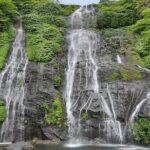
Then comes Tirta Empul (Holy Water Temple), which is central to Bali’s spiritual life. The sacred springs are said to have been created by the god Indra and are associated with curative properties—at least in local belief.
This stop runs about 1 hour, and it’s the kind of place where you’ll likely notice more than scenery. You can see worship practices centered on sacred water, and it’s one of the most meaningful temple experiences on this kind of inland itinerary.
Practical note: wear clothing that’s comfortable for temple areas and keep your expectations respectful. Temples like this aren’t just “a stop,” they’re about daily devotion.
Satria Agrowisata Coffee and Tea Tasting (Including Kopi Luwak)
After the temples, the tour shifts gears to Satria Agrowisata, a tea and coffee place in a lush jungle setting. The focus is on tasting and learning, and the schedule says you’ll get about 1 hour here.
This stop is best known for kopi luwak (civet coffee), with an explanation that the beans are from coffee previously eaten and then processed. You can also taste other Bali teas and coffees.
What to expect: it’s not just a free-for-all sampling table. The tour description frames it as authentic tasting in a plantation setting, and the driver-guide format helps you get more context than you’d get on your own.
One consideration: if you dislike coffee tasting experiences, this can feel like a lot of “drink time.” If you’re neutral or curious, though, it’s a good break from temples and rice terraces—plus, the plant setting gives you a change of scenery.
Lunch at The Amora Bali: Mount Batur Views While You Reset
Lunch is served at The Amora Bali, with a listed duration of about 1 hour. The description highlights that the meal is served with views overlooking Mount and Lake Batur, and the vibe is “simple elegance.”
This is a smart place to stop for a few reasons. One, you’ve spent the morning in multiple temples and indoor/outdoor walking. Two, eating while looking toward the Batur area gives you a natural transition into the volcano-view side of the day.
Lunch is included as a buffet lunch. If you’re the type who worries about dietary needs, the schedule doesn’t list dietary options specifically—so I’d suggest telling the operator what you need when booking, then confirming directly with the provider.
Tegalalang Rice Terrace: Photos, Farmers, and Timing
Next is Tegalalang Rice Terrace, one of Bali’s best-known rice field views. This stop is about 30 minutes. The description calls out the hollowed shaping of the fields and how the terraces are precisely located along the hillside.
What makes this more than a postcard: it’s also about seeing Balinese farming activity and how the fields work in real life. The best part is often watching people go about the day while you take photos from slightly different angles.
Timing tip: this stop is short, so if you want photos that look extra clean, slow down. Use the time you have to pick one or two angles instead of trying to shoot everything at once.
Monkey Forest in Ubud: A Quick Nature Hit
Then you head to Sacred Monkey Forest Sanctuary, where you can see the group of monkeys living in the forest area. The schedule shows 30 minutes here.
This is a classic Ubud stop, but it can swing between fun and chaotic depending on conditions and crowd patterns. Since your time is short, you’ll want to treat it like a “see it, respect it” moment rather than an all-day wildlife trip.
Practical mindset: keep your belongings secure, avoid sudden movements, and don’t try to interact. Even on a guided day, you’re sharing the space with animals that are used to humans but aren’t pets.
Bali Swing and Ubud Art Market: Two Different Moods in One Block
Your day includes time for Bali swing in Ubud and Ubud Art Market.
Here’s how I’d think about them. The swing is a thrill-and-photo activity. If that’s your thing, it can be a memorable capstone because it pairs well with Ubud’s scenic hills. If it’s not, you can use the time to walk the art market and focus on local creativity instead.
The art market stop is a cultural reset—less nature, more local goods and day-to-day craft trade. Even if you just browse, it’s a way to leave with more than a memory of scenery.
Cost note: the tour includes “all entrance ticket to the site,” but the schedule doesn’t clearly state whether Bali Swing’s activity cost is included. Plan for the possibility of an extra fee and confirm before you go.
What Makes the Guide Experience So Valuable (Including Putu)
One of the strongest reasons to book this type of private format is the driver-guide approach. The day isn’t just a ride from one dot to another; it’s a chance to connect cultural dots between stops.
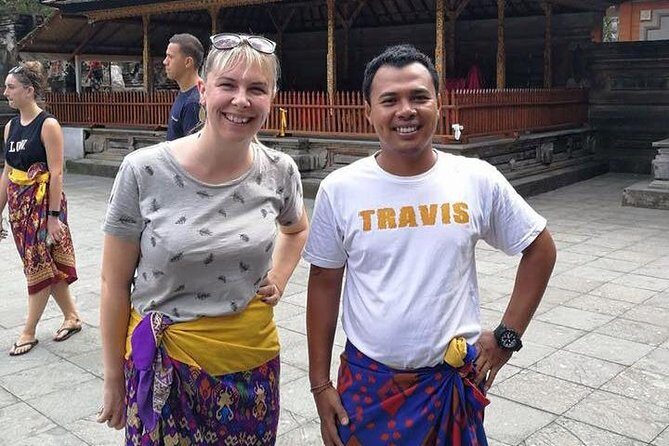
In at least one glowing experience, the guide was named Putu, and the emphasis was on how he explained Bali’s history and culture while helping guests visit the key highlights in one day. That matches how I like these tours to feel: you leave with better understanding, not just a list of places you saw.
If you want your Ubud and Kintamani day to feel personal, this tour’s structure supports that—private attention, guided explanations, and an itinerary that can be customized.
Weather, Volcano Views, and How to Keep Expectations Real
This is an important note for the Kintamani-style volcano part of the day. The tour description says the experience requires good weather. If it’s canceled due to poor weather, you’ll be offered a different date or a full refund.
Even when it’s not canceled, clouds can change the view. So go in ready for a range of outcomes: perfect volcano drama or more muted, misty scenery. Either way, you’ll still have temples, rice terraces, coffee tasting, and Ubud culture. In other words, the day isn’t a single-point bet.
Who This Tour Fits Best
This tour makes the most sense if you:
- want to see a lot of inland Bali in one day,
- prefer a private guide over public transport,
- like mixing culture (temples + art) with scenic stops (rice terraces + volcano area),
- value having lunch and entry fees handled.
It may be less ideal if you:
- want a slow, unstructured day with long stays at one place,
- dislike guided explanations and prefer total independence,
- are only interested in one type of attraction (like only beaches or only temples).
Should You Book This Ubud and Kintamani Volcano View Day Tour?
You should book it if you want a smooth one-day circuit that covers the inland highlights—temples, rice terraces, coffee tasting, and Ubud culture—without the headaches of DIY logistics. The value is strongest for people who hate juggling entry tickets and transport, and who enjoy learning while they walk.
I’d book it with a clear plan: bring a flexible mindset about weather, treat each stop as a “short but meaningful” chapter, and keep your expectations about Bali Swing costs realistic. If you do that, this is the kind of day that leaves you feeling like you actually got Bali’s inland story, not just drove past it.
FAQ
What time does the tour start?
The tour starts at 8:00 am.
How long is the Bali day tour?
It’s about 10 hours (approximately).
Is this tour private?
Yes. It’s a private tour, and only your group participates.
Where does pickup happen?
Pickup is offered, and the tour includes hotel transfers from around Bali.
What’s included in the price?
Private transportation, lunch buffet, bottled water, an English-speaking driver who serves as a guide, and all entrance tickets to the sites.
Is lunch included?
Yes. Lunch is included as a buffet lunch.
Do I need to use a mobile ticket?
Yes. The tour includes a mobile ticket.
Is the tour dependent on weather?
Yes. The experience requires good weather, and if it’s canceled due to poor weather you’ll be offered another date or a full refund.
Can I cancel for a full refund?
Yes, free cancellation is available. You can cancel up to 24 hours in advance for a full refund.
Is a baby car seat available?
A baby car seat is available at an extra cost of IDR 50,000.