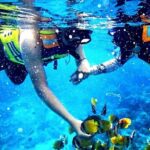
Golden manta rays are the headline.
This is a focused day trip from Bali to Nusa Lembongan/Nusa Penida built around one goal: time in the water at Manta Bay, where giant but calm manta rays feed near the surface. I like that the trip is run with clear structure—ferry hops, set snorkeling sites, and a small-group feel (max 40 travelers). I also like the human touch: guides on-site, safety gear for non-swimmers, and the kind of service where you’re not left guessing what happens next.
The main thing to consider is timing. Even though it’s a half-day to full-day style outing (about 5–6 hours), your actual time snorkeling can feel short, and boat comfort varies by where you sit—especially for shade.
In This Review
- Key takeaways before you go
- Sanur Harbour to Nusa Lembongan: how the day starts
- Manta Bay snorkeling: where the manta rays do their thing
- Crystal Bay on Nusa Penida: pelagic life beyond manta rays
- Gamat Bay’s current and reef fish: beauty with a stronger edge
- Mangrove Point on Nusa Lembongan: quick nature photos, mixed payoff
- Timing, boat comfort, and what’s actually included
- Price and value: is $70 worth it for Manta Bay?
- Who should book this, and who should think twice
- Should you book Swim with Manta Rays from Bali?
- FAQ
- FAQ
- How long is the Swim with Manta Rays snorkeling day trip?
- Where does the tour start from?
- Does this tour include pickup from my hotel?
- Is manta ray spotting guaranteed?
- Which snorkeling site is best for manta rays?
- Can non-swimmers join the snorkeling?
- What should I bring?
- What months are best for manta ray snorkeling?
- Is snorkeling time and meal support included?
- What if weather is poor?
Key takeaways before you go
- Manta Bay is the core stop, with your best odds for manta ray encounters (sightings aren’t guaranteed)
- Non-swimmers can join thanks to snorkeling safety equipment and guides
- Food is included, and people also mention snacks before and after snorkeling
- Plan for variability in water conditions and manta activity
- Bring sun protection and a change of clothes—you’ll get wet, and you’ll be out in the heat
- Boat shade can be hit-or-miss, depending on your row
Sanur Harbour to Nusa Lembongan: how the day starts
Most days begin in the Sanur area. If you’re using pickup, it’s offered free in Kuta, Legian, Seminyak, Petitenget, Jimbaran, Nusa Dua, and Sanur. Pickups outside those zones cost extra (IDR 450,000 per car return, paid in cash).
The operational hub is Sanur, with the fast boat side run through the Arthamas Express Fast Boat meeting point at Pertokoan Arcade on Jl. Matahari Terbit No. 4, Sanur Kaja, Denpasar. The meeting time is 08:30 AM at Sanur Harbour, and you’ll be guided from there.
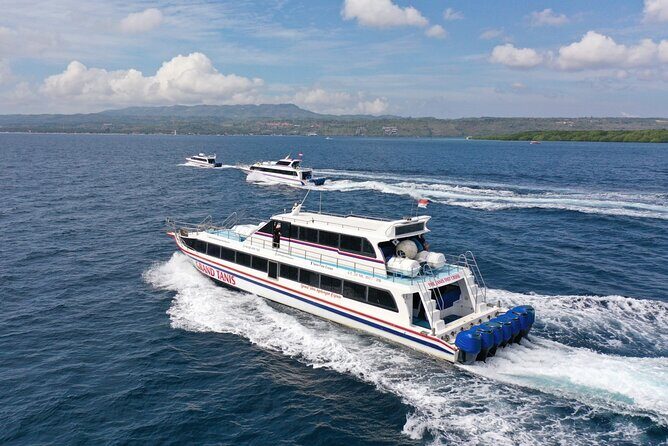
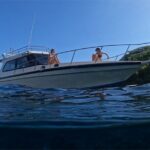
From Sanur Harbour, you head over by fast boat/ferry links to the Lembongan side (with a stop at Jungut Batu port), then onward to the snorkeling sites. The ride is part of the fun. Sanur Harbour is known for morning light and big views—plus two iconic lighthouses that make for easy photos while you wait for the next leg.
This start matters because it sets your energy level. You’re not just “getting transportation.” You’re getting an organized handoff: check-in, short waiting moments, then the boat stages you toward Nusa Penida’s snorkeling spots.
If you're still narrowing it down, here are other tours in Kuta we've reviewed.

Manta Bay snorkeling: where the manta rays do their thing
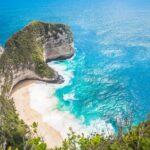
Manta Bay on the southeast coast of Nusa Lembongan is the main reason you book this trip. It’s famous for clear water and the presence of manta rays—because plankton-rich conditions can pull them closer to the surface.
Here’s the honest part: manta rays are wild animals, so sightings are not guaranteed. Your best advantage is timing. The strongest season for manta ray snorkeling in this region runs March through November, when sea conditions tend to be calmer and visibility is typically better.
In the water, the rays are giant but gentle. You’re not dealing with a scary predator vibe. Still, you should treat this as real snorkeling with real rules. Listen to your guide, keep your movement controlled, and avoid sudden splashes that can disrupt your own footing and the group flow.
One of the best surprises: this tour can work for non-swimmers. Safety gear and guides are part of the setup, so you’re not automatically excluded if you’re only a “feet in the water” person. You’ll feel more confident if you’ve got basic comfort with floating and you’re willing to follow instructions closely.
Time in the water can be shorter than you hope. Even with a longer total day, the snorkel window is usually limited to what the sites and travel legs allow. If manta rays are your one priority, that’s fine—just manage expectations so you don’t feel like you paid for hours you never got.
Crystal Bay on Nusa Penida: pelagic life beyond manta rays
After the Manta Bay focus, the itinerary moves you toward Crystal Bay in Nusa Penida. This is where the trip expands from one animal to a wider slice of the marine scene.
Crystal Bay is described as a place for pelagic fish and other exciting sightings—things like sharks, stingrays, sunfish, and turtles (with marine life depending on what’s moving through that day). The “free admission” detail here also suggests you’re not paying extra just to access that particular stop.
What I like about adding Crystal Bay is variety. If manta rays decide to be less active that day (again, not guaranteed), you can still come away feeling like the underwater portion mattered. It’s also a nice reminder that snorkeling in Nusa Penida isn’t only about one moment. You’re there for ecosystem energy: bigger animals, open-water movement, and the sense that you’re working with nature rather than a controlled exhibit.
Reality check: “more species” doesn’t always mean “perfect visibility.” If the water has less clarity than expected, you’ll still get the experience, but the details might be softer. That’s true across Nusa Penida, and it’s part of the game.
Gamat Bay’s current and reef fish: beauty with a stronger edge
The next stop is Gamat Bay on Nusa Penida, a snorkeling/diving favorite because it has beauty plus current strength. The bay is known for calm areas with small caves and crevices, along with a range of reef fish and invertebrates.
This stop is worth mentioning because “current strength” changes how you should behave in the water. Even if conditions feel manageable, don’t drift away from your group mindset. Your guide’s role becomes more important here—body position, staying together, and not chasing things too far.
If you’re comfortable snorkeling and following instructions, you’ll likely enjoy it. If you’re less confident, you’ll want to lean on the safety setup and keep your movements simple. The goal is good sightings, not personal heroics.
This is also where you can notice the difference between “snorkeling as a casual swim” and “snorkeling as an activity with ocean logic.” Nusa Penida sites can feel dramatic, and Gamat Bay leans that way.
Mangrove Point on Nusa Lembongan: quick nature photos, mixed payoff
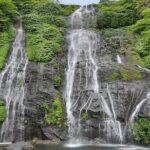
Between the ocean stops, there’s a land break: Mangrove Point at Nusa Lembongan. The focus here is the look of mangrove roots and the small animals that live around the forest area.
This is the part of the day you’ll either love for photos and fresh air or skip in your head as extra time—one review even suggested the mangrove stop might not be special. So I’d treat it as a reset, not a headline.
If you enjoy short nature moments—roots, angles, birdlife hints, and a chance to stand out of sun and spray—you’ll get value. If you only care about ocean time, keep your expectations modest and use the stop to reapply sunscreen and dry off your gear a bit.




Timing, boat comfort, and what’s actually included
This trip is listed around 5–6 hours, and it packs a lot into that window: ferry legs, multiple stops, and snorkeling sessions. In practice, the snorkeling portion can feel like it’s the shortest part of the day. People also mention only a couple of hours on the snorkel boat/water window.
That’s why boat comfort matters. One review specifically called out sitting at the front of the boat with less shade (some rows under the roof, some not). If you’re sensitive to heat, bring a hat that you can wear during the ride, plus sunscreen you don’t mind reapplying.
Food and snacks are part of the value. Reviews mention lunch included, plus snacks around the snorkeling window—yummy food before/after was specifically praised. That matters because day trips from Bali to Nusa Penida can drain you if you’re running on caffeine and airport snacks.
Also keep a practical gear checklist: comfortable clothing, a change of clothes, comfortable footwear, sunscreen, and a camera. Cash or credit card can be useful for small self-expenses, depending on what you want during short breaks.
One more small confidence boost: guides are often described as welcoming and organized. In one case, the guide name Nova was highlighted as brilliant, and the group felt well cared for and safety-first.
Price and value: is $70 worth it for Manta Bay?
At $70 per person, this isn’t a “cheap and cheerful” outing. You’re paying for a structured day that includes fast-boat travel over the water and admission tickets across multiple stops (some are marked included, some free, depending on the site). You’re also paying for the guiding and safety support that makes manta snorkeling workable for different skill levels.
So where does the value come from?
- You get a tight plan: Sanur departure, Lembongan connection, then Manta Bay as the anchor.
- You don’t have to self-organize ferry timing on your own.
- You get a small-group cap (max 40 travelers) which usually means easier coordination.
- You get food support: lunch plus snacks are repeatedly praised.
- You get optional pickup within a wide chunk of southern Bali (Kuta area to Nusa Dua, plus Sanur).
Where the value might feel weaker is if you expected long time in the water. If your dream is hours upon hours of snorkeling, you may feel like the day moves fast. But if you want the highlight—manta rays at Manta Bay with solid support—then the price can make sense.
Also note: the tour is commonly booked in advance (around 25 days on average). That tells me this is a popular slot, and planning ahead helps.
Who should book this, and who should think twice
This is a smart fit if you:
- Are coming to Bali for marine wildlife and want a dedicated manta ray focused day
- Want support and safety guidance in the water
- Like the idea of also seeing other species at Crystal Bay and Gamat Bay
- Prefer organized pickups over figuring out ferries and schedules yourself
- Don’t mind that boat shade is location-dependent
It’s a maybe if you:
- Are very heat-sensitive and need guaranteed shade on the boat
- Expected a long snorkel session and feel bothered by shorter time in the water
- Want the day to be mostly ocean, not land stops like Mangrove Point
Because non-swimmers can participate with equipment and instruction, this isn’t only for confident snorkelers. What you do need is willingness to follow directions and be honest about your comfort level.
Should you book Swim with Manta Rays from Bali?
If manta rays are your must-do in Bali, I’d lean yes—especially if you’re traveling during March to November, when conditions are often calmer and visibility tends to be better. The trip’s strength is the structure: you’re sent from Sanur, taken to the right snorkeling sites, and supported in the water, with food included so you’re not running on empty.
Just don’t book this assuming you’ll snorkel for most of the day. Think of it as a well-run highlight tour: ferry legs, a real manta ray chance at Manta Bay, and a couple of additional underwater stops to broaden the payoff. If that matches how you like to travel—one big natural target plus smart backup spots—this day trip fits.
FAQ
FAQ
How long is the Swim with Manta Rays snorkeling day trip?
The trip runs about 5 to 6 hours.
Where does the tour start from?
It starts at the Arthamas Express Fast Boat meeting point at Sanur Harbour (08:30 AM). The tour ends back at the meeting point.
Does this tour include pickup from my hotel?
Pickup is offered free in Kuta, Legian, Seminyak, Petitenget, Jimbaran, Nusa Dua, and Sanur. Outside those areas, an extra fee applies (IDR 450,000 per car return, paid in cash).
Is manta ray spotting guaranteed?
No. Manta rays are in their natural habitat, so sightings are not guaranteed and can vary with environmental factors.
Which snorkeling site is best for manta rays?
Manta Bay is the key snorkeling spot for seeing manta rays.
Can non-swimmers join the snorkeling?
Yes. Non-swimmers can snorkel with safety equipment and snorkeling guides/instructors.
What should I bring?
Bring comfortable clothing, a change of clothes, comfortable footwear, sunscreen, a camera, and cash or a credit card for any self-expenses.
What months are best for manta ray snorkeling?
The best time is from March to November.
Is snorkeling time and meal support included?
Snorkeling is the main activity, and lunch plus snacks are provided (with snacks before and after snorkeling mentioned in reviews).
What if weather is poor?
This experience requires good weather. If it’s canceled due to poor weather, you’ll be offered a different date or a full refund.