REVIEW · KUTA
Private Tour: Batuan Temple, Tegenungan Waterfall, Elepahant Cave Free transport
Book on Viator →Operated by Upadani Bali Tour · Bookable on Viator
A full morning’s worth of temples and waterfalls in one ride. What makes this outing click is the private, air-conditioned transport plus entrance tickets included across the stops. You’ll also have an English-speaking driver/guide who can help you make sense of what you’re seeing, but plan for a long day (about 8–10 hours) and bring money for meals since food isn’t included.
This is a classic Ubud-area route built around variety: a local Balinese temple with standout gate details, a well-known waterfall, a famous archaeological site, then rice terraces and two cultural stops in Ubud (palace area and an art/wood vibe). Start time is 8:00 am, with pickup from your Kuta hotel and return afterward.
In This Review
- Key highlights at a glance
- Puseh Batuan Temple: that Candi Bentar gate is worth the stop
- Tegenungan Waterfall: views, safety, and a possible dip
- Goa Gajah (Elephant Cave): when the name is a trick
- Tegalalang Rice Terrace: the Ubud classic at a comfortable pace
- Ubud Palace and the art market: culture stops that don’t drag
- Ubud Palace (Puri Saren Agung)
- Ubud Traditional Art Market
- Mas Wood Carving Center: see Bali craft in motion
- Price and logistics: why $29 can be good value
- Who this private tour fits best
- Should you book this private Batuan Temple, Tegenungan, and Ubud culture day?
- FAQ
- What time does the tour start?
- How long is the tour?
- Is pickup included?
- Is this a private tour?
- What’s included in the price?
- Are meals included?
- Do I need to pay for entry tickets?
- Is guide tipping included?
- Is there free cancellation?
Key highlights at a glance
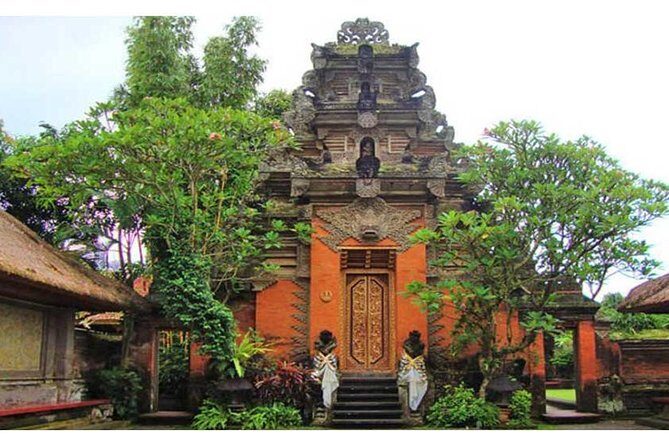
- Puseh Batuan Temple gate design: a red-brick Candi Bentar dividing temple zones, guarded by a Dwarapala statue with a different stance than you might expect
- Tegenungan Waterfall: well maintained and set up for safe viewing, plus the chance to cool off if conditions allow
- Goa Gajah (Elephant Cave): an archaeological site where the name can mislead you
- Tegalalang Rice Terrace timing: about an hour to slow down and take in terrace views without rushing
- Ubud culture stops: Ubud Palace and an art market, plus Mas Village’s wood carving center (both with tickets handled for you)
Puseh Batuan Temple: that Candi Bentar gate is worth the stop
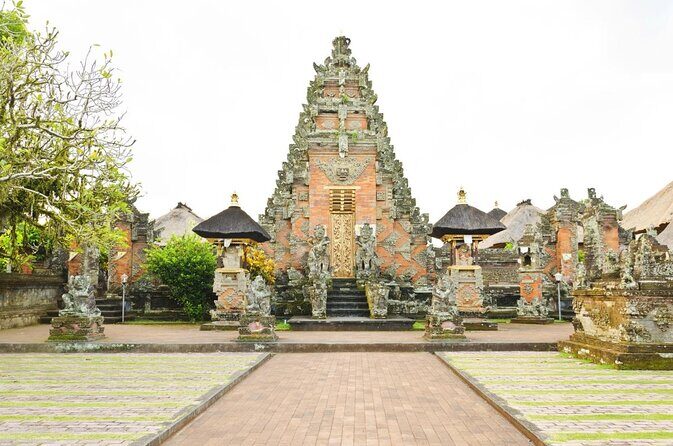
If you like architecture that rewards close looking, Batuan Puseh Temple is a great first anchor to your day. This is a local Balinese Hindu temple tended by residents in the Batuan countryside, so it doesn’t feel like a museum display. You’re stepping into something still used and cared for.
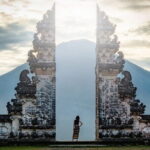
The entrance is defined by a Candi Bentar gate made from red bricks, decorated with floral ornaments and the kind of curving details Balinese temple design does so well. What I’d focus on is how the gate isn’t just pretty—it’s functional. It separates the temple into different spiritual zones, described as Nista Mandala (outer area) and Madya Mandala (middle area). So when you pass through, you’re moving through a meaningful boundary, not just walking past a landmark.
Another detail that caught attention is the Dwarapala figure (a temple gate guardian). In many places, Dwarapala statues show a more typical posture and often carry a weapon. Here, the guardian is standing up and is not shown carrying a weapon. Small difference, big payoff, because it makes the site feel specific rather than copy-paste.
Practical tip: plan around roughly 40 minutes for this stop. It’s enough time to look up at the gate details, wander calmly, and reset for the next leg.
If you're still narrowing it down, here are other tours in Kuta we've reviewed.



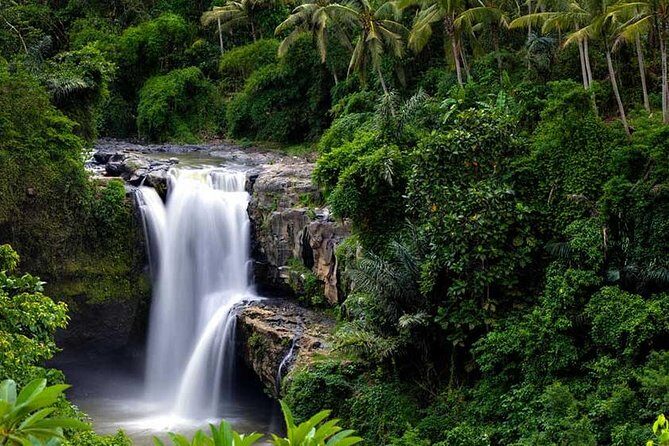
Tegenungan Waterfall: views, safety, and a possible dip
Tegenungan Waterfall is the kind of place that works whether you’re a nature person or you just want a dramatic break from temples. It’s located between Ubud and Denpasar, so it fits well into a Ubud-area day without forcing a huge detour.
The standout here is that it’s well maintained and treated like a real visitor destination rather than a sketchy scramble. That matters when you’re planning a full itinerary—if you’re traveling with kids, have limited mobility, or just don’t want to overthink safety, you’ll appreciate the setup.
What you can expect is a short stay focused on the best sightlines and the experience of being near the falls. One of the nicest things mentioned for this stop is how calm it can feel once you’re there, and there’s often the option to get into the water depending on conditions and the site’s rules at the time. Even if you don’t plan to swim, standing close enough to hear the water and feel the cool air changes the whole mood of the day.
Practical tip: give yourself time to choose a vantage point and settle. With about 1 hour allocated, you don’t want to spend it all in one rush to the railing.
Goa Gajah (Elephant Cave): when the name is a trick
Goa Gajah, often translated as Elephant Cave, is an archaeological site on the cooler western side of Bedulu Village, about 6 km from central Ubud. The name can throw you off. It sounds like you’ll walk into something elephant-themed and literal, but the site is better understood as an old cultural and religious space, not a zoo prop.
That’s actually part of the charm. You go because it’s historically significant and visually interesting, not because you’re chasing an expectation. Plan to spend about 1 hour here, which is a comfortable chunk for reading the setting at a slower pace and taking in the stonework and layout.
Practical tip: wear shoes you don’t mind getting a little dusty. Cave-and-temple-adjacent sites in Bali often involve uneven ground and occasional humidity.
Tegalalang Rice Terrace: the Ubud classic at a comfortable pace
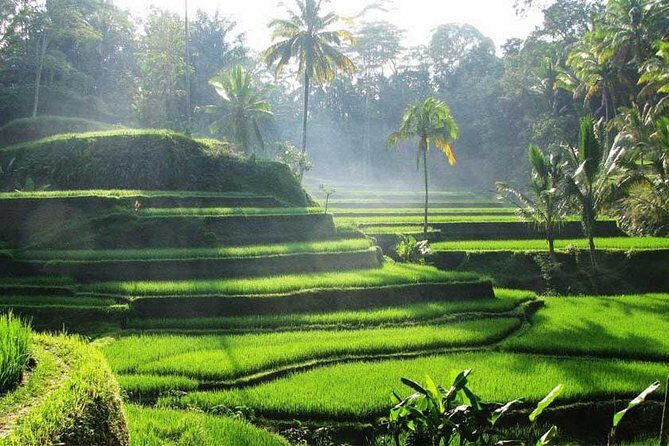
The rice terraces around Tegalalang are one of those Bali sights you see in photos everywhere—then you arrive and realize the real thing has more texture and depth than your screen ever showed.
This stop is usually straightforward in the best way. You get about 1 hour, which works well if you want terrace views without turning your day into a forced hike. It’s a good balance: enough time to get photos, walk to a couple viewpoints, and enjoy the visual rhythm of terrace steps.
What you’ll likely notice is how the terraces relate to daily life. They’re not staged at the scale of a theme park. Even with tourists around, the setting has a working feel. If you’re the type who likes calm travel moments, this is a place where you can slow down and just watch water and agriculture patterns without feeling like you’re “doing” everything.
Practical tip: bring a hat or cap. You’ll be under sun a lot more than you might expect once you step out of covered temple areas.
Ubud Palace and the art market: culture stops that don’t drag
After the terraces, you pivot into Ubud’s cultural center. Two stops do that: Ubud Palace and the Ubud Traditional Art Market.





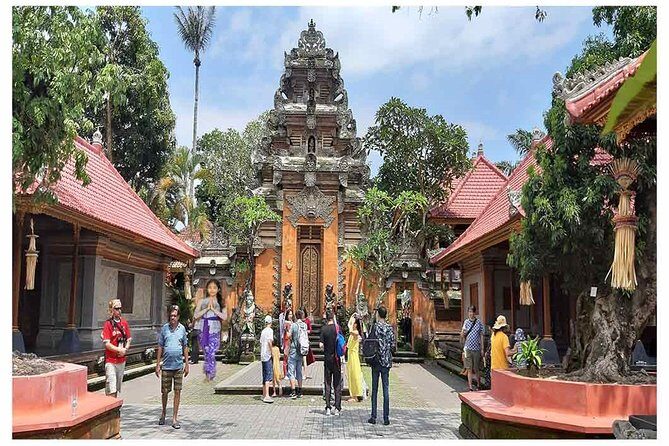
Ubud Palace (Puri Saren Agung)
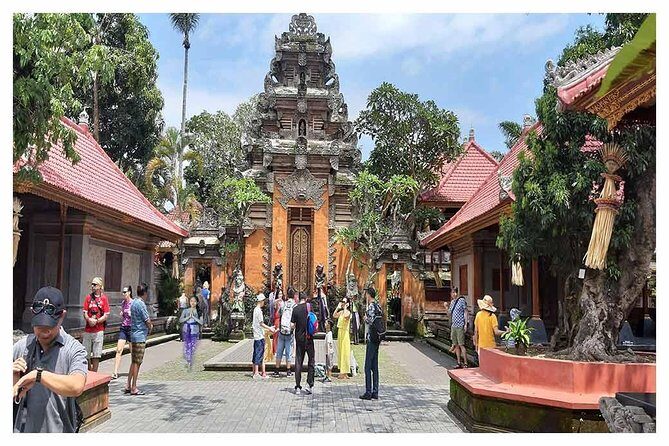
Ubud Palace, also known as Puri Saren Agung, is tied to the Ubud royal family and serves as a kind of cultural repository for arts, dance, and literature. The stage and meeting halls are used for international events, so the place isn’t just for postcard photos—it’s part of how performance and culture are kept active.
Expect about 1 hour. In practice, that means time to walk the compound thoughtfully and absorb the look and feel of the palace architecture and gathering areas. If a show or event is happening, your experience can feel extra alive, but even without one, the setting gives context to why Ubud became known for arts.
Ubud Traditional Art Market
Then you shift to the art market, where the idea is straightforward: you’re looking at a place selling what people make and use, and you can browse at a human pace. The market is described as unique compared to other traditional markets, and it draws both foreign and domestic shoppers.
This stop is marked as admission free. Translation: it’s a good place to spend time without worrying you’ve paid another entry fee. You can browse wood items, souvenirs, and crafts, then decide what feels worth carrying home.
Practical tip: keep cash on hand and don’t rush buying. Look closely at materials and workmanship, and compare a couple stalls before deciding.
Mas Wood Carving Center: see Bali craft in motion
Mas Village is known for wood carving and it’s often grouped under the label of a Bali wood carving center. What makes this stop useful is that it’s practical: you get a chance to see how carving fits into daily local craft culture, not just buy a finished trinket and call it done.
You’ll typically have about 1 hour here, which is enough time to walk, watch the carving vibe from stall to stall, and browse. This is also marked as free admission, so you’re paying mainly with time and attention.
What to look for:
- finished pieces versus work-in-progress
- carving detail (line quality, depth, and consistency)
- how vendors explain the piece when you ask
If you’re buying a gift, I’d treat this like shopping in any good craft area: set a budget in your head first, then look until you find something that fits it.
Price and logistics: why $29 can be good value
At $29 for a day that includes transport and tickets, this tour can be strong value—especially because it’s private and you’re not doing the classic Bali shuffle of taxis between islands of sightseeing.
Here’s what you’re getting for the money:
- pickup from your Kuta hotel and return
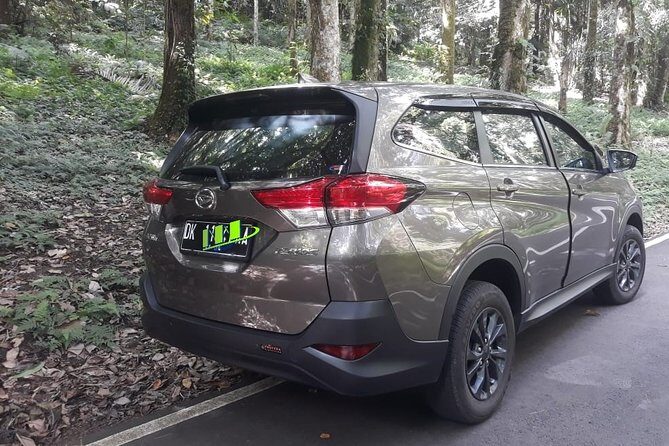
- a private car with good A/C
- a driver/guide who can speak English
- entrance tickets for each attraction listed on the route
That ticket inclusion matters because temple and attraction fees add up fast when you’re paying separately. The A/C and door-to-door pickup also reduce friction. On an 8–10 hour day, small logistics problems snowball into fatigue. This setup tries to keep that under control.
What can catch you:
- Meals aren’t included, so you need to plan for lunch and snacks
- guide tipping isn’t included, so factor that into your budget
- It’s a busy day by design: you’ll see a lot, so build in patience for transit and short stop times
One more note: this tour is described as private, and the duration is listed as approximate. That’s normal for Bali. Traffic and the pace you choose inside sites can shift your timing.
Who this private tour fits best
This itinerary is a good match if you want:
- a temple-and-nature mix instead of only scenery
- a single driver/guide handling the schedule
- the convenience of tickets included
- Ubud-area highlights without spending your day figuring out routes
It also suits people who like cultural context. The palace and market stops aren’t just “walk around”; they connect to arts and everyday making, and the Batuan temple gate details give you something specific to look for besides general temple shapes.
If you’re the type who hates rush, you’ll still enjoy it, as long as you accept that some stops are intentionally short. This isn’t a slow retreat day. It’s a smart sampler.
Should you book this private Batuan Temple, Tegenungan, and Ubud culture day?
I’d book this if you’re staying around Kuta and you want a single organized route into the Ubud/Gianyar orbit, with transport and entry fees handled. The combination of Batuan’s distinctive temple architecture, Tegenungan’s accessible waterfall experience, and Ubud’s palace and art market gives you variety without making you bounce between unrelated places.
Skip it (or consider a different pace) if:
- you’re sensitive to long days and back-to-back stops
- you prefer a deep, slow exploration where one site dominates the day
- you don’t like bringing meal money and planning around optional tipping
Overall, this is the kind of day that works well when you want good coverage, less hassle, and a clear sense of where each hour is going.
FAQ
What time does the tour start?
The start time is 8:00 am.
How long is the tour?
It runs about 8 to 10 hours.
Is pickup included?
Yes, the tour includes pickup from your hotel and transport back to your hotel.
Is this a private tour?
Yes. It’s private, meaning only your group participates.
What’s included in the price?
Included are pickup and return, a private A/C car, an English-speaking driver/guide, and entrance tickets for each attraction.
Are meals included?
No. Meal fees and personal expenses are not included.
Do I need to pay for entry tickets?
You don’t need to buy them separately for the listed stops because entrance tickets are included.
Is guide tipping included?
Tipping for the guide is not included.
Is there free cancellation?
Yes. You can cancel for a full refund up to 24 hours in advance.