REVIEW · KUTA
Snorkeling Trip Nusa Penida Bali
Book on Viator →Operated by Blue Season Bali · Bookable on Viator
Nine hours, three reefs, and manta odds.
This trip is interesting because you’re not stuck at one spot. You snorkel three different Nusa Penida sites with an experienced team, and you get a real shot at mantas at Manta Point (often a shallow cleaning station). One drawback to plan for: Manta Point can involve swell, so motion sickness can hit sensitive people harder there, especially small children.
You’ll start early with pickup around 6:30–7:15 AM, then make a quick transfer before a high-speed boat heads over. The plan is paced around actual water time, with lunch between snorkel stops, and you’re back around 3:00 PM to the Sanur base.
The big decision factor is sea conditions. Manta Point isn’t guaranteed, and if conditions are unsafe they’ll swap in another site that day, but the trip still won’t refund if Manta Point doesn’t happen.
In This Review
- Quick highlights
- Nusa Penida by high-speed boat: how the day runs
- The three snorkeling stops: Manta Point, Crystal Bay, SD Manta Point
- Manta Point: the cleaning-station hunt (with swell caveat)
- Crystal Bay: coral and visibility when the water is clear
- SD Manta Point: current, reef life, and manta odds from the north coast
- Guides, gear, and safety: why this feels more dialed than generic
- Price and value from Kuta: what you’re really paying for
- Motion sickness and swell: the practical decision you should make early
- Where this trip fits best (and where it might not)
- Should you book this Nusa Penida snorkeling trip with Blue Season Bali?
- FAQ
- What time does pickup happen for this snorkeling trip?
- How long is the tour?
- How many people are in the group?
- Will there be lunch during the day?
- Do you always snorkel at Manta Point?
- What kind of ticket do I need?
- Is free cancellation available?
Quick highlights
- Up to 10 people keeps the day from feeling like a crowded scramble
- Experienced guides who handle safety and rescue know-how (first aid included)
- Manta Point odds, often tied to the famous shallow cleaning-station behavior
- Crystal Bay for clear water and coral-focused snorkeling
- SD Manta Point for a reef with current along the north coast
- Full-length wetsuits and a tour that feels more professional than basic packages
Nusa Penida by high-speed boat: how the day runs
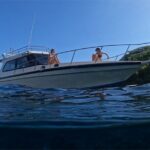
This is a full-day outing that aims to fit real snorkeling time into a tight schedule. Pickup is typically 6:30–7:15 AM. You then head toward the boat launch area, where the land transfer to the harbor is short (about 5 minutes), before you board the high-speed boat.
Once you’re on the water, the ride to the first snorkeling stop is around 45 minutes. This matters because you’re not just paying for a ticket—you’re paying for a route that puts you where the animals are, earlier in the day when conditions are often better and the tour rhythm stays smooth.
You’ll be out for about 9 hours total, with a return to the Sanur base around 3:00 PM. Lunch is served between snorkel stops, which is a big deal on a day like this. Snorkeling is fun, but it also burns time and energy; having food planned in the middle helps you avoid the classic mid-afternoon crash.
The tour also runs with small-group logistics in mind. The maximum group size is 10 travelers, which usually means less waiting, easier instruction in the water, and more attention if you have questions about entry, breath timing, or what to watch for.
One more practical note: the boat is described as clean and includes a toilet, which you’ll quietly appreciate once the morning boat ride gets going.
If you're still narrowing it down, here are other tours in Kuta we've reviewed.
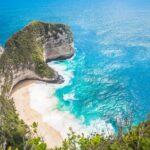

The three snorkeling stops: Manta Point, Crystal Bay, SD Manta Point
Think of the itinerary as three different “moods” of Nusa Penida snorkeling—big-animal hunting first, then coral clarity, then a reef that’s more about movement and current.
Manta Point: the cleaning-station hunt (with swell caveat)
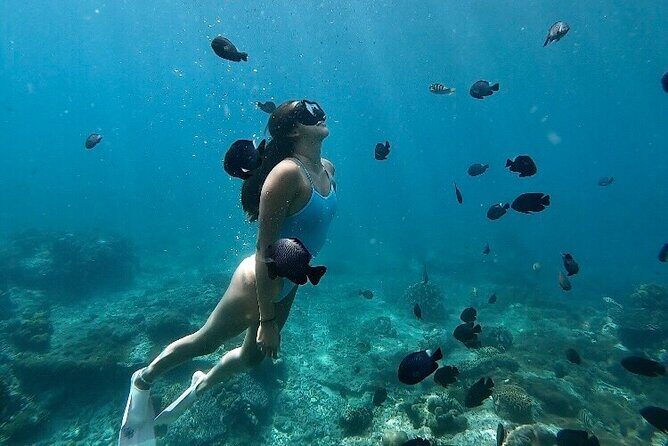
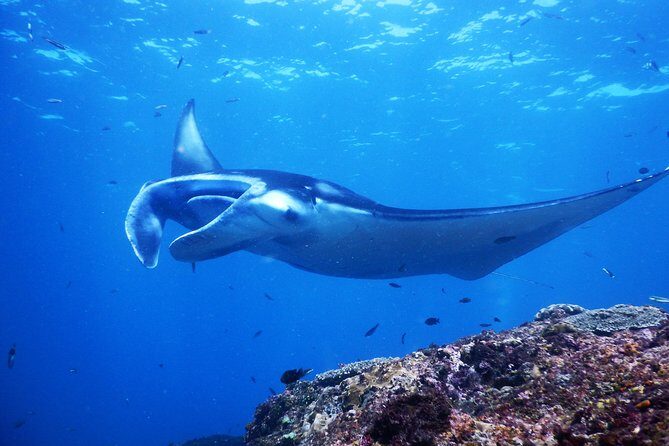
Manta Point is the headline site for a reason. It’s famous for manta behavior at a cleaning station, and the tour specifically targets it when sea conditions allow. It can also be shallow, which is one reason people get such close views—smaller fish often gather around, and that activity can draw mantas into view.
But here’s the reality check: Manta Point can experience swell. The operator flags this clearly, and it lines up with what you should expect physically. If you’re the type who gets queasy in boats, you’ll want to take that seriously before your morning starts.
Important for planning: if Manta Point can’t be visited because conditions are unsafe, the guide will choose an alternative site on the day. Still, there’s a no-refund rule tied to Manta Point not being included, so you should decide if that’s a risk you’re comfortable taking.
Crystal Bay: coral and visibility when the water is clear
After the manta-focused stop, Crystal Bay shifts the emphasis to clear water and coral. This is a good choice for people who care about seeing reef detail and not only chasing the biggest animals.
The key promise here is year-round appeal. Even if you don’t get the mantas at every turn, Crystal Bay is designed to deliver a satisfying snorkeling experience with visibility that helps you actually enjoy what you’re looking at—not just pass through it.
SD Manta Point: current, reef life, and manta odds from the north coast
SD Manta Point is named after Sekolah Dasar, which means elementary school in Indonesian. It’s also one of the more popular spots on Nusa Penida, and it’s positioned for manta chances with reef conditions that can feel more dynamic.
This stop can involve some current along the reef, running along the northern coast. In snorkeling terms, current can be a blessing and a challenge: it can bring food and keep animals moving, which can boost your odds of seeing something interesting. But it also means you’ll want to snorkel calmly, follow guide directions, and not fight the water.
If you’re comfortable floating and adjusting your pace, SD can be a standout. If you’re nervous about current or you’re not a strong swimmer, this is where your “moderate physical fitness” note becomes real.




Guides, gear, and safety: why this feels more dialed than generic
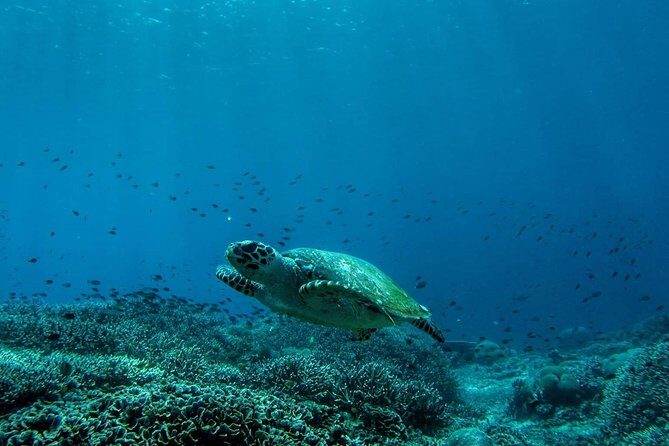
A lot of snorkeling days are built around speed: get people in, get people out, move on. This one leans more professional, mainly because of the people running it and the gear they bring.
The guides are described as very experienced, with strong local knowledge of Nusa Penida’s sites. That matters because the difference between an okay day and a great one isn’t only luck—it’s also about where you start, how you read the water, and which conditions make certain spots workable.
You’ll see that “hands-on safety” theme too. The tour’s style emphasizes that guides have knowledge around water rescue and first aid. I like that approach because snorkeling in open water always has small risks: tired swimmers, awkward entries, someone who needs help staying calm. Having a team trained for that makes the day feel steadier.
Gear is part of the value here. One review highlights full-length wetsuits, which is practical in Bali and nearby waters because they can make you more comfortable for repeated time in the water. You won’t spend the day shivering or rushing your snorkel time because you’re cold.
Boat comforts are basic but meaningful: clean boat and a toilet. It’s a small detail, but it makes early mornings easier and reduces stress between stops.
Guide names you might cross paths with include David, Bianda, Kai, and Maria. Even if you don’t get the same guide, the important part is consistency: you’re not just hiring a driver and hoping for the best. You’re hiring a team built for animal-focused snorkeling.
Price and value from Kuta: what you’re really paying for
At $142.99 per person, this isn’t a budget snorkel add-on. But it also isn’t priced like an ultra-luxury private charter. The value comes from a few clear cost drivers mentioned in the tour details and reinforced by the way the day is run:
- Pickup included, which saves you from figuring out schedules and transport on your own.
- Small-group size (max 10), which is often where the experience quality changes. You get more attention and less chaos.
- Experienced guides with safety and rescue training.
- Multiple sites in one day, which means your odds of seeing mantas or turtles improve simply because you’re not betting everything on one reef.
- Lunch between stops and gear like full-length wetsuits.
The trade-off with any Nusa Penida day is always the same: sea conditions can affect plans. Here, the Manta Point rule is the biggest part of that. If Manta Point doesn’t happen, you won’t get a refund even if the day still includes another site.
So the real pricing question is: are you okay with “manta chances” instead of “manta guarantee”? If yes, the price starts to make sense. If you need mantas on the exact calendar, you’ll feel the tension.
Also, you’ll notice this is typically booked well in advance (about 58 days on average). That often signals steady demand and a tour that fills. If you’re traveling in peak season, booking earlier helps you lock in your day rather than gambling on last-minute availability.
Motion sickness and swell: the practical decision you should make early
This is the one part I’d treat like a checklist item, not an afterthought.
Manta Point can involve swell, and the operator specifically warns that small children and people sensitive to motion sickness may feel seasick there. Add to that the fact that the boat ride can feel bumpy for some people, and you have a clear picture of what to prepare for.
Here’s my practical advice:
- If you’re even mildly prone to motion sickness, plan for it on this particular day. Don’t assume you’ll be fine just because you handled a short boat ride before.
- Bring what helps you personally (for some people it’s medication, for others it’s pressure bands or ginger). The tour itself can’t control swell.
- Sit where you feel most stable on the boat, and keep your eyes on the horizon if you start to feel off.
Then factor in the Manta Point swap rule. If sea conditions make Manta Point unsafe, you may snorkel elsewhere. That can still be a great day, but it may not match your main goal.
So, don’t just ask if you want mantas. Ask whether the manta-focused part of the plan is worth the risk to your stomach.
Where this trip fits best (and where it might not)
This trip fits best if you want a day focused on real marine-life snorkeling across multiple sites. You’ll likely enjoy it if:
- you like the idea of three snorkeling stops instead of one long session in a single place
- mantas are a priority, but you’re okay with conditions influencing the exact route
- you want small-group guidance with safety-minded staff
- you’re comfortable snorkeling with possible current at SD Manta Point
It may feel like a tougher match if:
- you know you’re sensitive to boat motion, especially with swell at Manta Point
- you’re traveling with very young kids who struggle in choppy conditions
- you don’t feel steady handling a stop with current
The tour also notes moderate physical fitness. That doesn’t mean you need to be an athlete, but you should expect open-water movement, repeated gear-on moments, and getting in/out of the water as instructed.
Should you book this Nusa Penida snorkeling trip with Blue Season Bali?
I’d book it if your trip goal is a well-run, small-group Nusa Penida day with genuine animal odds and clear site variety. The combination of experienced guides, safety awareness, full-length wetsuits, and the chance to hit both manta-focused areas and coral-visibility spots makes it a strong value for the money.
I’d hesitate if you’re motion-sickness-prone and can’t tolerate bumpy rides or swell, because Manta Point is the risky part of the plan and it’s the part you’re paying extra attention to.
If you can handle the realities of sea conditions, this is the kind of day that can turn Nusa Penida from a photo destination into a place you remember for the animals you actually saw.
FAQ
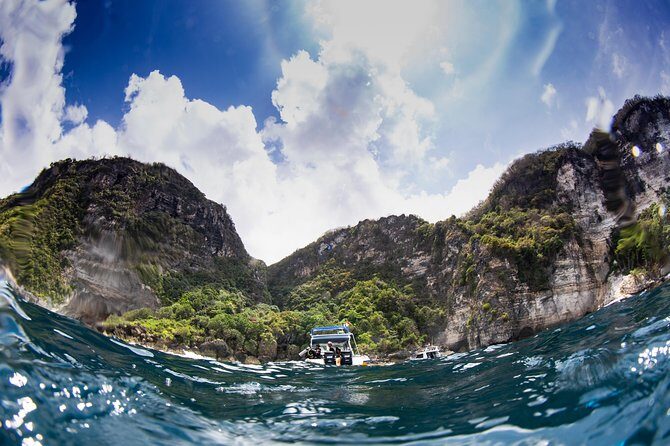
What time does pickup happen for this snorkeling trip?
Pickup is scheduled around 6:30–7:15 AM. You return to the Sanur base at about 3:00 PM.
How long is the tour?
The snorkeling day runs for about 9 hours.
How many people are in the group?
The tour has a maximum of 10 travelers, keeping it small-group.
Will there be lunch during the day?
Yes. Lunch is included between snorkel stops.
Do you always snorkel at Manta Point?
No. Manta Point can experience swell, and if conditions are unsafe the guide will choose an alternative site. There’s also a no-refund rule if the trip does not include Manta Point.
What kind of ticket do I need?
You’ll use a mobile ticket.
Is free cancellation available?
Yes. You can cancel for a full refund up to 24 hours in advance. The experience also depends on good weather; if it’s canceled due to weather, you’ll be offered a different date or a full refund.
If you want, tell me your travel dates and whether you or anyone in your group gets motion sick, and I’ll help you decide if this is the right day-trip setup.