REVIEW · KUTA
Mount Ijen Crater Trekking Tour from Bali
Book on Viator →Operated by PT.WAHYU MANDIRI TOUR · Bookable on Viator
Blue fire means one long night. This guided trek from Bali sends you to East Java by ferry for a predawn hike up Mt Ijen, where you’re timed for the glow of the crater’s blue flames. I like that it’s capped at just ten people, so your guide can keep an eye on everyone, and I also love the chance to see sulphur miners move heavy blocks with bamboo pole baskets.
Just be honest with yourself: this is a tough, overnight climb plus a long transfer, all wrapped into about 23 hours on the go. It’s an experience worth planning for, but it is not a casual outing.
In This Review
- Key points before you go
- The Bali-to-East Java schedule: 5:00 pm to late-afternoon return
- Safety gear and the first climb: what the 3 km trek feels like
- Meeting sulphur miners on the mountain: hard work, no shortcuts
- Blue flames before dawn: how to time your expectations
- Photo reality check
- Inside the Ijen crater viewpoint: rules you must follow
- The descent and ferry ride home: where fatigue really shows up
- Price and value check: is $153.85 a good deal?
- What to pack for Mt Ijen: follow the rules, stay warm
- Who this tour is for: fitness, age, and health limits
- Group rhythm and guide quality: plan for a wait at the start
- Should you book Mt Ijen from Bali?
- FAQ
- What time does the Mt Ijen tour start?
- How long is the tour?
- Where do you get picked up in Bali?
- Does the tour include meals?
- What is included for the trek safety and equipment?
- How many people are in the group?
- Is the tour suitable for children?
- When is Mt Ijen closed?
- What if the tour is canceled due to weather?
Key points before you go
- Small group of up to 10 means you’re not stuck in a big cattle line on the mountain
- Ferry transfer from Bali gets you to East Java in time for a predawn start
- Flashlight and gas mask included, plus a real safety briefing before you head up
- Blue flames are weather-dependent, so you’ll want clear expectations
- You’ll meet sulphur miners and see how they carry and extract sulfur
- Strict crater rules (including a max 500 meter distance) shape your viewpoint time
The Bali-to-East Java schedule: 5:00 pm to late-afternoon return
This tour is designed around one thing: getting you to Mt Ijen in time to hike in the dark and reach the summit before dawn. You’ll start with pickup in the late afternoon from selected areas in South Bali like Kuta, Legian, Seminyak, Jimbaran, and Nusa Dua. The start time is listed as 5:00 pm, but your exact pickup time comes after reconfirmation.
From Bali, you’re transferred to Gilimanuk Harbor in West Bali, then cross by ferry into East Java. The transfer is timed so you arrive around midnight, which means you’re not spending hours daylight driving on rough schedules. After that, you go straight to the trekking starting point for your guided climb.
The total time is about 23 hours. That’s the part that surprises people who expect a day trip. You’re essentially trading a night of sleep for the chance to see the crater while the world is still dark.
If you're still narrowing it down, here are other tours in Kuta we've reviewed.
Safety gear and the first climb: what the 3 km trek feels like
Once you reach the start of the hike, you get a safety briefing and equipment. You’ll receive a flashlight and a gas mask as part of the trek support, and you should use them as instructed. If you’re the type who hates being cold or hates tight weather clothing, this is where you need to get your layers right.
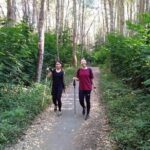
The route is roughly 3 km to the summit area, and it takes about 1 to 2 hours. That distance looks short on paper. The climb still hits because you’re hiking at night and you’ll likely be moving over uneven ground. Expect uphill effort plus stretches that feel flat but still demand stamina.
You’ll also be walking in a sulfur work zone, not a quiet hiking trail. The air and the smells come with the territory, and you’ll want to follow your guide’s pace and instructions instead of racing ahead for a faster photo.
Meeting sulphur miners on the mountain: hard work, no shortcuts
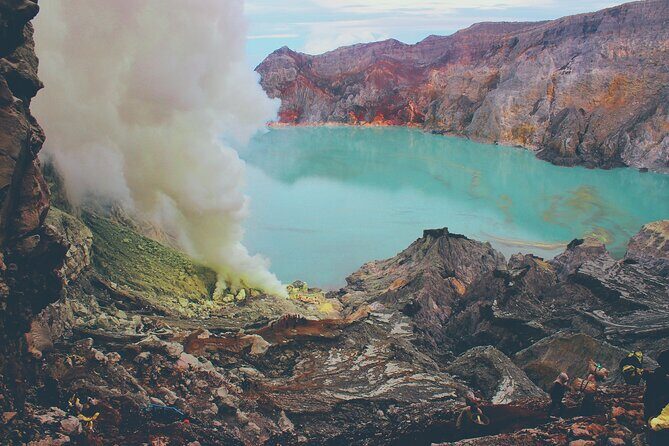
One of the most memorable parts is seeing the mining activity up close. Along the way, you’ll interact with sulphur miners who carry large blocks of sulfur weighing about 60–80 kg using bamboo pole basket setups across their shoulders. It’s not a dramatic staged moment. It’s their real work, happening while you’re passing through.
Later, you may witness mining using traditional methods with iron rods and without the same kind of protection you’ll be using. That contrast is intense. This tour isn’t just about the volcano view; it’s also about observing the human side of Ijen’s daily labor.
If you’re photographing, keep it respectful. Don’t crowd, don’t block, and follow the guide’s direction on where you can stand. And remember: you’re not the only ones with urgent schedules out here. The miners work because they have to, and the conditions are real.
Blue flames before dawn: how to time your expectations
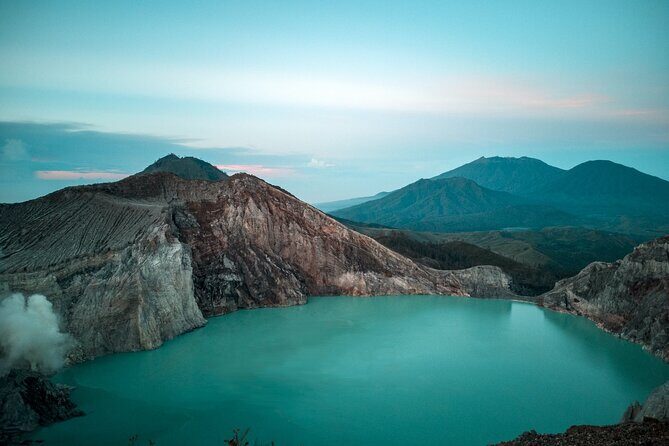
Your big moment comes at the summit before dawn. This is where you might see Mt Ijen’s blue flames. The tour notes that visibility depends on weather conditions, so you should treat the blue fire as a best-case highlight, not a guaranteed fire show.
If the sky is clear and conditions are right, you’ll be in the right place to spot that eerie glow. If it’s cloudy, you might still get spectacular crater views, but the flames can be harder to see. Either way, you’re reaching the crater zone in the cold dark hours, and that timing is the whole point of the overnight schedule.
The tour also includes light breakfast on the mountaintop before you head back down. That break matters more than you’d think. By the time you return for the crater viewpoint and photos, you’re using strength you’ll wish you’d conserved earlier.
Photo reality check
Bring your camera, and be ready for low light. You’ll likely be photographing in dim conditions, then shifting to a brighter viewpoint soon after. Your guide can help you with timing and safe positioning, but your best results will come from being patient and not rushing into the most crowded spots.


Inside the Ijen crater viewpoint: rules you must follow
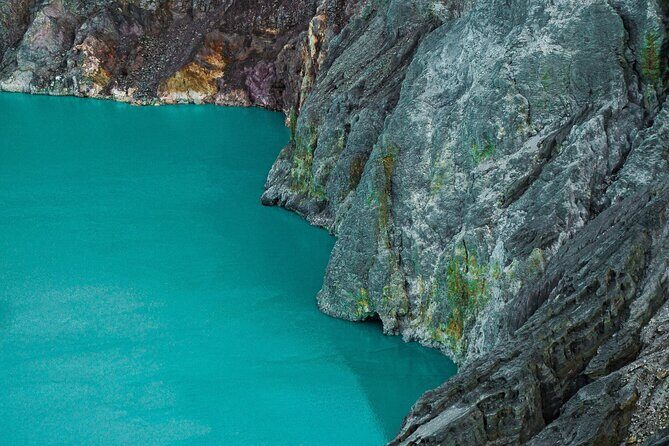
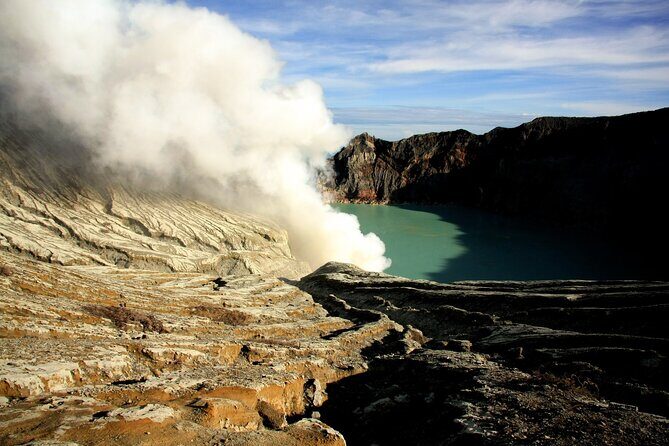
After the summit stop and breakfast, you’ll be guided down. You’ll also get a closer look and photo opportunities from a viewpoint inside the crater area. Mt Ijen is known for its acid lake, and this tour specifically aims you at the larger crater experience, not just the top photo.
That’s where the rules come in. The Ijen crater rule set includes:
- Sport wear and hiking shoes
- Mask, jacket, and gloves (and you’ll want to follow the guide on usage)
- Maximum 500 meter distance from the crater
- Forbidden actions like throwing rubbish, throwing cigarettes, and doing any fireplace activities
These rules affect your walking routes and where you can stand. So if you’re imagining a casual wander right up to the edge, adjust that expectation. You’re there for the viewpoint moments, the miners passing, and the guided look—within tight boundaries designed for safety and protection.
Also note the monthly closure detail: Mt Ijen is closed on the first Friday of the month for cleaning. If your travel dates land on that day, you’ll want to avoid scheduling conflicts.
The descent and ferry ride home: where fatigue really shows up
The hardest part for many people isn’t always the climb. It can be the descent. The tour involves a challenging descent into the crater and then a long return journey. Night hiking, rough footing, cold air, and stair-like slopes add up.
Once you finish the trekking portion, you’re transferred to Banyuwangi Harbor for the late morning ferry back to Bali. From there, the day ends with lunch at a local restaurant and drop-off at your hotel in the afternoon.
The rhythm is long and repetitive: hike, wait, reposition, descend, then sit for the ferry. That’s why packing and pacing matter earlier in the trip. If your body feels off at kilometer one, it usually feels worse by kilometer four or five. Go slow from the start, and you’ll thank yourself later.
Price and value check: is $153.85 a good deal?
At $153.85 per person, this tour can feel pricey until you look at what you’re actually buying. You’re not just paying for a local guide. You’re paying for a full overnight logistics package: pickup and drop-off from selected South Bali hotels, a driver who also guides from Bali to Banyuwangi in East Java, ferries, and a local guide for the blue flames trek.
It also includes meals that people usually end up paying separately on day tours: a light breakfast and a restaurant lunch. Safety gear is part of the trek experience too: flashlight and gas mask.
What’s not included is also clear. Drinks aren’t included, and dinner isn’t included. So if you’re budgeting, plan to cover those parts yourself. The practical value here depends on whether you would otherwise pay for transportation + a guided night trek + ferry coordination separately. For many people, it’s cheaper and less stressful to buy it in one bundle.
One more detail that affects value: small group size. A max of 10 travelers means the guide can manage pacing and safety. That’s a real quality factor when you’re hiking in a sulfur zone.
What to pack for Mt Ijen: follow the rules, stay warm
The tour recommends you wear long pants and sports shoes, plus a sweater (or sweatshirt/jumper), gloves, and a hat. That’s not optional fluff. Night temperatures plus early predawn timing can make you feel colder than expected.
You should also plan around the crater rule set: sport wear, hiking shoes, mask, jacket, gloves, and your own medicine. The guide provides a gas mask and flashlight, but you’ll still want to be ready for the rules that govern what you wear and how close you move.
If you get sick easily or take medications regularly, this is a place to be extra prepared. The tour specifically asks for a health certificate from a doctor, valid for up to 3 days from the Ijen tour date. They may bring you to a nearest doctor if you don’t have one, so don’t treat this as paperwork you can ignore.
Who this tour is for: fitness, age, and health limits
Mt Ijen is extreme, and the tour itself is clear that you need strong physical fitness. The climb and the overnight schedule demand stamina and healthy condition. The minimum age is 16, and it is not recommended for children aged 15 and under.
It’s also not recommended if you have heart complaints, asthma, or other serious medical conditions. If you’re older, it’s also not recommended for older people. If you’re in doubt about your health, don’t wing it. This is where your doctor’s advice matters.
I like that the trip doesn’t pretend it’s easy. You’ll be in an environment with strict movement limits and safety rules. If you match the fitness and health profile, the experience is built around you being able to handle the night hike and crater viewpoint time.
Group rhythm and guide quality: plan for a wait at the start
A small-group cap of 10 is meant to make things smoother, but the start of the evening can still have a wrinkle. There can be a wait in a house or building before you depart, especially as your group comes together. If you hate sitting around while you’re tired, bring patience.
Guide quality can also vary. You’re guaranteed a local guide during the blue fire trekking, but the overall guide experience isn’t something you should assume will be perfect. I recommend treating the safety briefing as your anchor: ask any questions you have right then, confirm how the mask and flashlight are used, and make sure you understand the pace.
The driver side matters too. The trip includes a driver who helps you move from Bali to Banyuwangi. When that part runs well, it makes the whole night less stressful because you’re not guessing where to go after a ferry crossing.
Should you book Mt Ijen from Bali?
Book it if you want one of Indonesia’s most distinctive volcano experiences and you can handle an overnight trek in the dark. This tour is a strong match for people who enjoy sunrise timing, don’t mind early starts, and are comfortable with strict rules like staying within the 500 meter limit and following safety gear instructions.
Skip it if your fitness is shaky or you have health limitations like heart complaints or asthma. Also skip it if you hate long travel days. This is about 23 hours of moving and hiking, not a quick highlight between beach days.
If you’re aiming to see the blue flames specifically, remember the key phrase in the plan: it depends on weather conditions. If the flames are hidden, you’ll still experience a dramatic crater setting and meet sulphur miners. That’s the real value here: you’re not just chasing a glow. You’re witnessing Ijen as a living working mountain.
FAQ
What time does the Mt Ijen tour start?
The tour start time is listed as 5:00 pm, with your exact pickup time confirmed after reconfirmation.
How long is the tour?
The duration is about 23 hours (approx.).
Where do you get picked up in Bali?
Pickup is offered from selected hotels in South Bali, including Kuta, Legian, Seminyak, Jimbaran, and Nusa Dua.
Does the tour include meals?
Yes. It includes a light breakfast and lunch (Balinese food). Drinks and dinner are not included.
What is included for the trek safety and equipment?
The trek includes a flashlight and a gas mask, along with a safety briefing and a local guide during the Mt Ijen blue fire trekking.
How many people are in the group?
The tour has a maximum of 10 travelers.
Is the tour suitable for children?
The minimum age is 16, and it is not recommended for children aged 15 and under.
When is Mt Ijen closed?
Mt Ijen is closed on the first Friday of the month for cleaning. The tour notes to avoid travel dates on that schedule.
What if the tour is canceled due to weather?
The experience requires good weather. If it’s canceled because of poor weather, you’ll be offered a different date or a full refund.