REVIEW · KUTA
Discover Balinese Mystic & Death Ritual in Bali
Book on Viator →Operated by Bali Lovina Tours · Bookable on Viator
You can spend a day in Bali without seeing the same thing twice. This private outing ties together death rituals in Trunyan and birth traditions in Bayung Gede, then adds major cultural stops and big views.
I love that it’s customizable for your group, so you can set the pace rather than being herded through. I also like the hands-on mix of ritual sites, temples, and a highland viewpoint, with a speedboat ride as a real change of rhythm.
One thing to consider: it runs about 8 to 10 hours, and if you’re prone to motion discomfort or you’re visiting on a sensitive schedule, the long travel and the women-in-monthly-period note may be a deal-breaker.
In This Review
- Key Things to Know Before You Go
- The Big Idea: Mystic Rites You Actually Get Time For
- How Private Customization Changes the Day
- Trunyan Cemetery: A Death Ritual Worth Understanding First
- Bayung Gede: Birth Rituals, Newborn Placenta Hanging From the Site
- Kintamani Plateau: Batur Volcano and Lake Views to Reset Your Brain
- Kehen Temple: The Steps of Heaven and the Feeling of Time
- Penglipuran Bamboo Forest and Old Village Life: More Than a Pretty Walk
- The Speedboat Ride: Why It’s Not Just Transport
- Price and Value: What $81.80 Actually Buys You
- Timing, Pace, and What to Expect From the Order
- Guides Matter: Friendly Explanations Make Ritual Sites Land
- Who Should Book This Tour (And Who Might Not)
- Should You Book It?
- FAQ
- How long is the tour?
- Is pickup included?
- Is it a private tour?
- Does the price include admission fees?
- Is lunch included?
- Is transportation and speedboat included?
- Do I need to pay for bottled water?
- Is it okay for women in monthly period?
Key Things to Know Before You Go
- Trunyan’s non-cremation practice: the dead are handled in a way that feels unlike most of Bali.
- Bayung Gede’s newborn placenta tradition: a rare, very specific ritual detail you won’t see on typical tours.
- Speedboat included: it adds time outside the car and helps break up the day.
- Batur + Lake views at Kintamani: highland scenery comes with fewer crowds than you’d expect for a main stop.
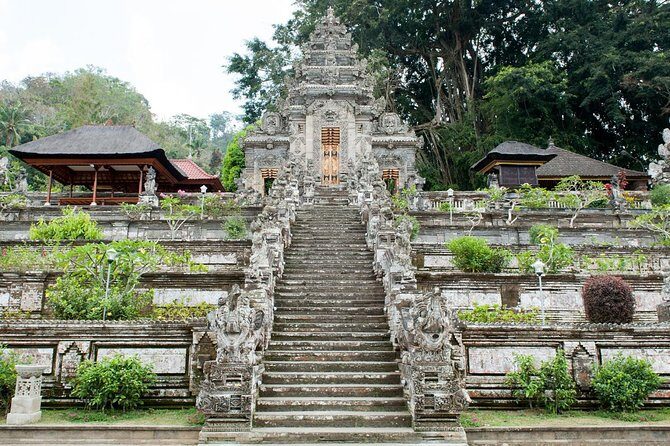
- Kehen Temple’s famous stepped design: you’ll spend time at a site built for layered symbolism.
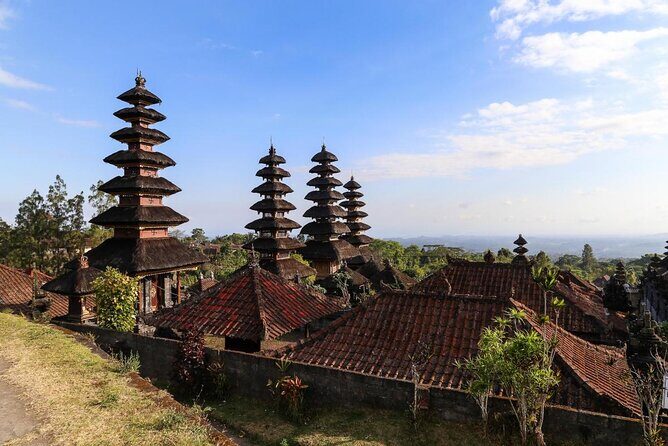
- Penglipuran old-village layout: the focus is on daily life, architecture, and belief—less showy, more real.
The Big Idea: Mystic Rites You Actually Get Time For
This is the kind of Bali tour that feels like it has a point. Instead of only chasing beaches, it steers you toward how Balinese communities think about birth, death, cleansing, and spirit. Those themes don’t just sit in the background here. They guide the order of the day, so you move from one meaning-system to the next.
That order matters. Trunyan is about what happens after life. Bayung Gede is about what life begins with. Then you shift to temples and village traditions, which helps the day feel connected rather than random sightseeing. And because it’s private, you’re not stuck with a pace that doesn’t work for you.
Finally, the day has a practical rhythm. You’re in an air-conditioned vehicle, there’s bottled water, and you get admission and donation fees handled. That takes friction out of the day so you can focus on what you’re seeing.
If you're still narrowing it down, here are other tours in Kuta we've reviewed.


How Private Customization Changes the Day
This is a private tour/activity, meaning it’s just your group. That’s a big deal for a day like this because ritual sites are not all the same kind of visit. Some stops demand a quiet, respectful pace. Others are better if you can ask questions and take your time.
The tour is also built to be customized. In practice, that means you’re more likely to get a day that matches your comfort level—how long you want at each stop, how you want to handle travel breaks, and how much you want to learn on the way from point to point.
Pickup is offered, and you’ll ride in an air-conditioned vehicle. For a 8 to 10 hour day, that comfort helps, especially if you get heat fatigue. You’ll also have a mobile ticket on hand, so you’re not wasting time hunting for paperwork.
Trunyan Cemetery: A Death Ritual Worth Understanding First
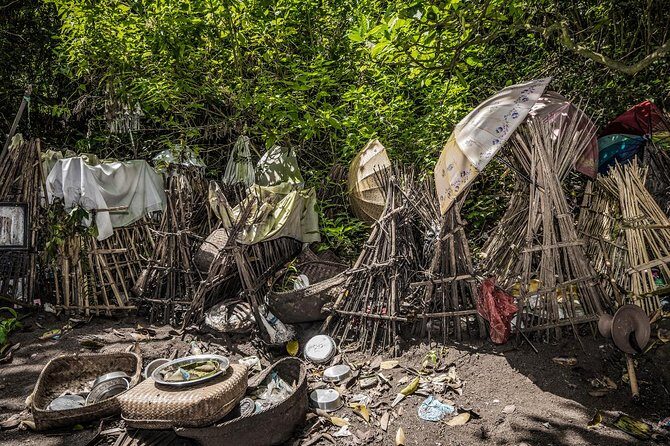
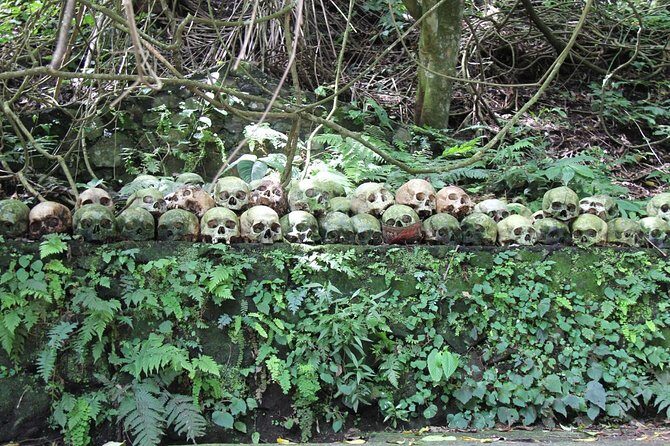
Trunyan is the star stop if you want something truly different. The local Trunyanese practice a form of tradition that contrasts sharply with what many visitors expect from Bali: they do not cremate their dead. Instead, after a cleansing ritual, the body is placed in a bamboo cage.
That single detail can change how you experience the whole visit. You’re not just looking at a cemetery. You’re looking at a worldview. The bamboo cage practice is tied to their ritual handling of the dead, and it’s part of why Trunyan often lands with a strong emotional tone for people who come expecting a typical cremation-and-monument story.
A practical note: this kind of site is not a quick photo stop. If you want the visit to feel respectful and meaningful, give it time. Also plan for a day where your senses may feel overwhelmed at first. That’s normal. The tour’s value is that it doesn’t rush past the meaning.
Bayung Gede: Birth Rituals, Newborn Placenta Hanging From the Site
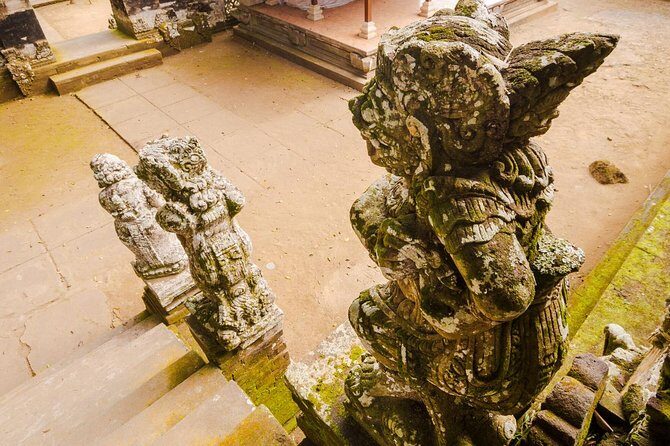
After Trunyan, Bayung Gede adds a completely different kind of sacred detail. This ancient village is believed to be the parent of all the ancient villages in Bali. That framing makes the stop feel less like a random village visit and more like a doorway into an older system.
The specific highlight is what many people come to see: the hanging newborn placentas that are unique to Bayung Gede. It’s a ritual practice, but it’s also a story about lineage, beginnings, and how community identity is carried from one generation to the next.
This is also where your questions matter. If you’re the type who likes to understand what you’re seeing, Bayung Gede rewards that. A good explanation can help you make sense of how something that looks unusual to outsiders can be part of a coherent tradition for the people living it every day.
A drawback to flag: this stop can be intense for visitors who don’t do well with bodily or birth-related imagery. If that might be you, mentally prepare for it and decide early how long you want to stay.
Kintamani Plateau: Batur Volcano and Lake Views to Reset Your Brain
Half the day is ritual and cultural meaning. Then Kintamani gives you a visual reset. You’ll stop at the highland plateau area to see the Batur volcano and Lake. It’s a shorter stop, around 30 minutes, so think of it as a scenic punctuation mark rather than a full sightseeing session.
Even with limited time, this kind of viewpoint is useful for one big reason: it helps your day breathe. After Trunyan and Bayung Gede, your brain may feel overloaded with symbolism. Kintamani is where you look outward and let the scale of the island remind you why Bali attracts so many cultures and traditions.
If weather shifts, you’ll feel it here. Plan to bring patience if the view isn’t instantly perfect. A short stop is still worth it when it gives you that contrast moment between sacred sites and raw scenery.




Kehen Temple: The Steps of Heaven and the Feeling of Time
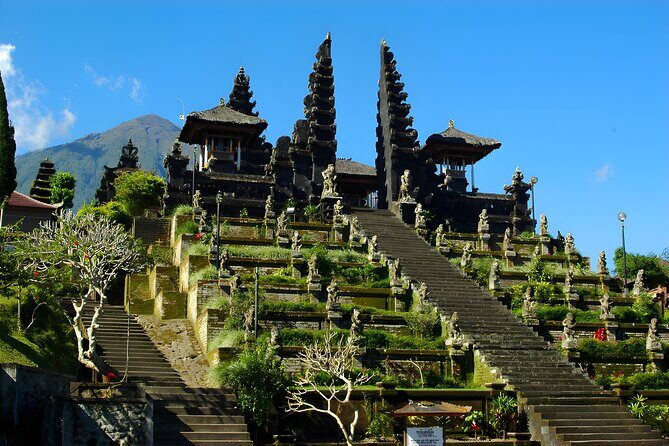
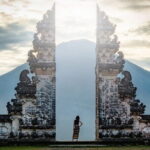
Kehen Temple is a cultural stop that leans on visual structure—its famous stepped design is often referred to as the steps of heaven. You’ll spend about an hour here, with admission included, which gives you enough time to slow down and actually notice the arrangement.
Temples work best when you treat them like architecture and story at the same time. Kehen’s steps aren’t only a photo backdrop. They’re part of how the site guides movement and attention. Even if you don’t read the meaning in detail, you can feel how the layout shapes how people experience the place.
This is also a strong stop for learning if you enjoy questions. When the guide can explain how the temple functions in daily religious life, the visit feels less like watching and more like understanding.
Penglipuran Bamboo Forest and Old Village Life: More Than a Pretty Walk
Penglipuran is the kind of stop that keeps you grounded in day-to-day culture. The visit focuses on an older village with unique architecture, social system, and belief system. It’s not presented as a theme park show. It’s more about how the village organizes life.
You’ll spend about an hour here, and that’s enough time to notice how buildings and space reflect community values. The reference to bamboo forest shows up in the experience, but the main point is that you’re walking through a living village context, not just a scenic path.
This stop pairs well with Kehen Temple. Temples give you sacred design. Penglipuran gives you how design continues into everyday life. Together, they help your day feel like it has continuity rather than a series of disconnected tickets.
The Speedboat Ride: Why It’s Not Just Transport
One of the included items that matters is the speedboat ride. It’s not only a way to get somewhere faster. It changes your day physically and mentally. After time in a vehicle, you get time on open water, and that can make the overall schedule feel lighter.
Speedboat rides can also bring a practical issue: motion. The tour is designed to be part of a longer day, so if you’re sensitive to waves or speed, consider that before you book. That doesn’t mean you shouldn’t go—it just means you should be honest with yourself about what your body handles.
And because the tour includes bottled water and uses an air-conditioned vehicle for the land segments, the day doesn’t feel like it’s cutting comfort corners entirely.
Price and Value: What $81.80 Actually Buys You
At $81.80 per person, this is priced in a way that makes sense once you see what’s included. You’re getting admission and donation fees, a speedboat, an air-conditioned vehicle, fuel surcharge, parking fees, and bottled water. Lunch is extra, but the major cost items are handled.
That’s the real value: fewer surprise costs on the day itself. When admission fees and transportation pieces are bundled, you’re not scrambling to pay at each stop or waiting while someone figures out ticket logistics.
The duration—about 8 to 10 hours—also matters. This isn’t a quick two-stop tour. You’re mixing several meaningful sites plus a scenic viewpoint. For that kind of time, the included transport and fees make the math feel reasonable.
One more value point: the tour includes pickup offered. Pickup reduces the hassle cost for you, especially on a day with multiple locations.
Timing, Pace, and What to Expect From the Order
The stop order gives you momentum. You start with Trunyan Cemetery (about 1 hour). Then you move to Bayung Gede (around 1 hour). After that, Kintamani is a shorter reset (about 30 minutes), then Kehen Temple (about 1 hour), and Penglipuran (about 1 hour).
That structure helps you manage attention. You’re not doing all intense stops back-to-back. You get breaks where the landscape and architectural sites give your mind a different kind of input.
Still, it’s a long day. You’ll want to plan for the reality of being on the go for much of the day, even though the vehicle is air-conditioned. If you dislike long days, this might feel like a lot. If you like a full cultural day with real content, you’re in the right place.
Guides Matter: Friendly Explanations Make Ritual Sites Land
One of the strongest themes from the positive experiences is the quality of guidance. Guides such as Mertha have been praised for being friendly, helpful, and able to shape the day into something easy to understand. Another guide, Ah Gung, has been highlighted for patiently explaining culture and practices.
That matters because this tour isn’t only about seeing. It’s about making meaning. At Trunyan and Bayung Gede, the details can feel unfamiliar or even surprising. A good guide helps you frame what you’re looking at so you don’t get stuck on shock or confusion.
If you’re the type who gets more out of cultural travel when someone explains the “why,” this is the kind of tour you’ll likely enjoy. And if you’re worried you won’t understand enough, focus on finding a guide moment where you can ask questions. Ritual sites are where explanations pay off.
Who Should Book This Tour (And Who Might Not)
This tour fits you well if:
- you want Bali beyond beaches and temples-in-a-bucket
- you enjoy learning how local traditions handle big life moments
- you like a private day where you can set your pace
- you’re okay with a day that can feel emotionally and visually intense
It might not fit if:
- you’re sensitive to ritual practices involving birth imagery or death handling
- you don’t like long days (8 to 10 hours) and lots of movement
- you’re asking from a health context where the tour note about monthly periods applies (it’s not recommended for women in monthly period)
Also note that lunch is not included. If you need a specific meal schedule, plan for lunch costs ahead of time so you don’t end up hungry and cranky mid-day.
Should You Book It?
If you’re chasing authentic cultural experiences and you want to see Balinese traditions that most standard itineraries skip, I think this tour is a strong choice. The main reason is simple: the day is built around two very distinct ritual themes—death in Trunyan and birth in Bayung Gede—and then it supports those with temple and village context. That’s more coherent than a random day of stops.
Book it if you want your Bali day to feel like real study, not just sightseeing. Skip it if you want an easy, light outing or if you’re worried about handling intense ritual imagery. And if you go, show up ready to ask questions. When the guide is doing the job right, the meaning comes through.
FAQ
How long is the tour?
The tour runs about 8 to 10 hours.
Is pickup included?
Pickup is offered.
Is it a private tour?
Yes. It’s a private tour/activity, so only your group participates.
Does the price include admission fees?
Yes. Admission & donation fees are included.
Is lunch included?
No. Lunch costs extra.
Is transportation and speedboat included?
Yes. You’ll have an air-conditioned vehicle and a speedboat ride.
Do I need to pay for bottled water?
Bottled water is included.
Is it okay for women in monthly period?
It is not recommended for women in monthly period.
If you’d like, tell me your starting area in Bali and whether you prefer more time at villages or more time for scenery. I can suggest how to pace this day so it feels less like a sprint.