REVIEW · KUTA
Bali Scuba Diving at Nusa Penida Manta Point For Certified Diver
Book on Viator →Operated by Bali Diving · Bookable on Viator
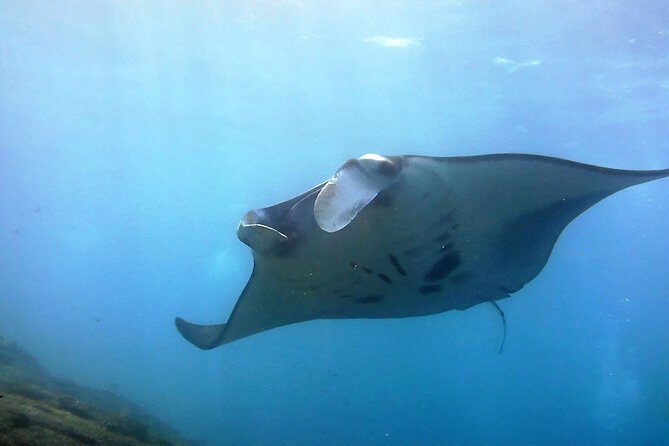
Big mantas are the main reason to go. This certified scuba outing from Bali Diving heads to Nusa Penida for three underwater stops, and I like that gear rental and boat lunch are handled for you. The one catch: sea and weather conditions affect currents and animal sightings, so manta rays are never guaranteed.
You’re not stuck on a giant cattle-boat with this one. It runs as a small group (max 8), and that matters on a day where you’ll do multiple long underwater sessions and want clear, calm help.
One more thing to plan: you need recent certification and logged experience, plus you’ll complete a health questionnaire before you get in the water.
In This Review
- Key things to know before you go
- Bali Scuba at Nusa Penida: What the day is really like
- Price and value: What you’re paying for (and what you get)
- Getting there early: Pickup from Kuta, Sanur, Legian, Seminyak, and Nusa Dua
- Stop 1: Manta Point and the 75% mantas reality check
- Stop 2: Crystal Bay for variety, plus current awareness
- Stop 3: Toyapakeh / SD Point / Mangrove depending on conditions
- Equipment, lunch, and small comforts that matter more than you think
- Guides and attention: why names like Ketut and Dul matter
- Who this is best for (and who should look elsewhere)
- Weather, sea conditions, and your manta expectations
- Should you book this Bali Diving Nusa Penida day?
- FAQ
- How many underwater sessions are included?
- Where does the trip run on Nusa Penida?
- Do I need certification to participate?
- What equipment is provided?
- Is lunch included, and can I request a vegan or vegetarian meal?
- What’s the chance of seeing manta rays?
- How big is the group and when does it start?
Key things to know before you go
- Three underwater stops in one morning-to-early-afternoon day: Manta Point, Crystal Bay, then Toyapakeh / SD Point / Mangrove (weather-dependent)
- About a 75% chance of manta rays, but conditions can still change the outcome
- Small group size (up to 8), which usually means easier attention in the water
- All equipment included, plus lunch and mineral water on the boat
- Current can be strong at times, so your comfort with drift-style conditions matters
- Experience requirements are strict on purpose: at least 10 logged underwater sessions with recent diving in the last 6 months
Bali Scuba at Nusa Penida: What the day is really like
This trip is built for certified divers who want more variety than a typical snorkeling outing. You’ll spend the day on a speedboat, then rotate through three well-known underwater sites around Nusa Penida. The schedule is simple on paper, but the ocean does the deciding—site order and the final location after Crystal Bay can shift based on conditions.
What makes this outing feel “worth it” is the mix of convenience and time in the water. You don’t need to bring and manage your own kit. On top of that, the boat includes lunch and drinking water, which helps you avoid that hungry, dehydrated, cranky diver moment that ruins the second half of a day.
The other big factor is the guide system and the experience standard. This isn’t for brand-new certification cards. You’ll have to show proof of certification and meet a recent-experience requirement, and that translates into a calmer experience for most people.
If you're still narrowing it down, here are other tours in Kuta we've reviewed.
Price and value: What you’re paying for (and what you get)
The price is $180 per person for roughly 8 hours on the water plus transfers from select areas. That sounds “not cheap,” until you look at what’s included.
Here’s the practical value:
- Round-trip hotel pickup and drop-off from several popular areas (Kuta, Sanur, Legian, Seminyak, Nusa Dua)
- Environmental Management Charge (Reef Tax)
- Free use of all diving equipment rental
- Experienced underwater guide
- Diving insurance
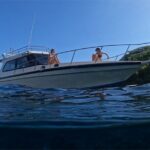
- Three underwater sessions from a speedboat
- Lunch plus mineral water
And what you’ll still need to handle yourself:
- Towel and sunscreen (not included)
- Sunscreen in particular matters because you’ll likely be out on deck before and after the water time
If you’re comparing this to doing it piecemeal—transport, gear rental, boat day, and multiple sites—this setup is often the better deal. You’re paying to remove the friction, and on a day trip to Nusa Penida, removing friction is half the battle.
Getting there early: Pickup from Kuta, Sanur, Legian, Seminyak, and Nusa Dua
The day starts early, with a 7:00 am start time. You’ll meet at Bali Diving’s office in Sanur Kauh (Jl. Bypass Ngurah Rai No.46E). Many departures also include hotel pickup and drop-off from select areas, including Kuta, Sanur, Legian, Seminyak, and Nusa Dua.
Why this matters: Nusa Penida is not next door. If you’re doing this as a DIY plan, you’ll spend a lot of energy on transport timing and logistics. Here, the schedule is already built around a single pickup window and a boat departure plan, so you lose less time.
Also, take sea travel seriously. One common warning is motion sickness risk during the boat ride. If you’re even slightly prone to it, bring your usual remedy and plan to keep your eyes on the horizon.
Stop 1: Manta Point and the 75% mantas reality check
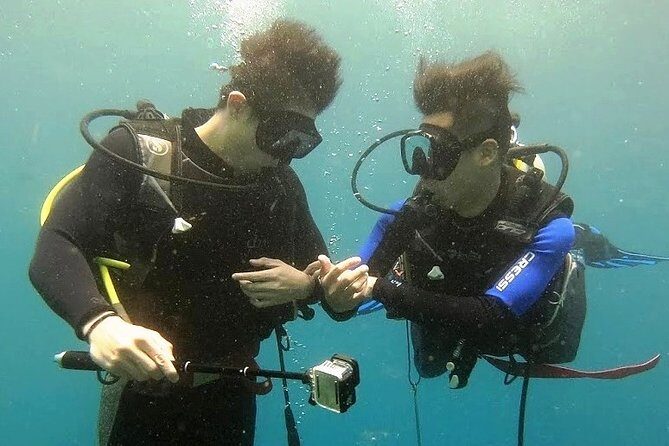
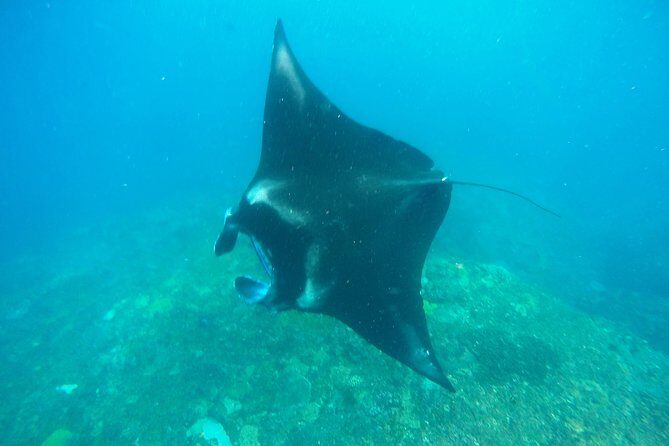
Manta Point is the headline. The whole trip is designed around that chance to see mantas glide by. You’ll do the first underwater session here, and this is where “probability” comes into play.
The operator notes that mantas are not guaranteed, because sightings depend on natural behavior and changing sea conditions. The stated probability is 75%. Translation: it’s a strong chance, but you should still go in with flexible expectations.
What I like about this first stop approach is timing. Starting with the main goal while conditions are often freshest gives you the best odds. If you get to see mantas early, the rest of the day feels like bonus points.
And when you do see them, look at the full picture, not only the head-on moment. The appeal is their movement—slow, confident passes that feel like a free-flowing parade.
Stop 2: Crystal Bay for variety, plus current awareness
After Manta Point, you’ll head to Crystal Bay for the second underwater session. This is where you usually get more variety—different creatures, different habitats, and a change of pace from the mantas-focused first stop.
A key consideration: this area can involve stronger currents. One diver described it as too strong for their preference and said they spent a lot of the time focusing on staying safe and steady. That doesn’t mean it’s unsafe when guides run it properly. It does mean you should be honest about your comfort level with drift-style conditions.
Practical tip: if you tend to tense up when water motion picks up, tell your guide during briefing. The best results come from matching your technique to the current rather than fighting it.
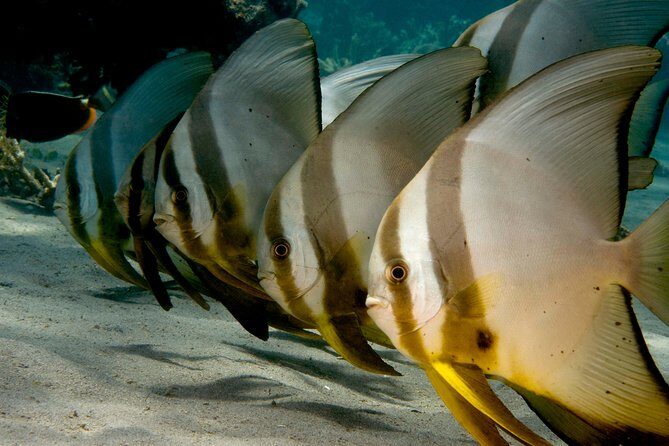
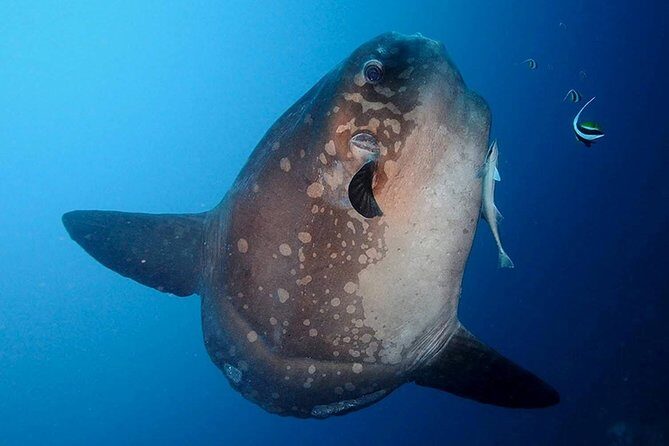
Crystal Bay is also a good site for seeing things beyond the big-ticket animals. In at least one instance, an ocean sunfish (Mola Mola) was reported, along with beautiful coral. That kind of “second wow” is one of the reasons three-site days beat quick one-stop outings.




Stop 3: Toyapakeh / SD Point / Mangrove depending on conditions
The third underwater session is flexible. After Crystal Bay, your last stop will be Toyapakeh / SD Point / Mangrove, depending on day-of conditions.
Why this flexibility is actually a plus: it’s the operator adapting to what the ocean allows. Some days one site will be safer or more comfortable than another based on currents and visibility. Rather than forcing one fixed plan, you’re getting a choice that can help keep the day workable.
What to expect: compared to the first two named spots, the final site is more about what’s available that day. You might see different types of terrain and marine life depending on the option selected.
If you’re planning your expectations, think of this as your “variety” slot. The first stop sells mantas. The second often expands your creature list. The third is where the operator tries to deliver something memorable even when conditions shift.
Equipment, lunch, and small comforts that matter more than you think
This trip includes free use of all diving equipment rental, which is a big time-saver. You won’t be hunting for masks and regulators at the last minute. You also avoid the hassle of packing bulky gear through hotels and transfers.
On top of the gear, the boat includes lunch and mineral water. That’s not fluff. After a morning with early pickup and multiple long underwater sessions, the difference between having food onboard versus “snack later” can be the difference between enjoying the last stop and rushing through it.
One more small but important note: you should bring a towel and a change of clothes. That’s recommended, and it’s the kind of detail that makes your return ride more comfortable.
Guides and attention: why names like Ketut and Dul matter
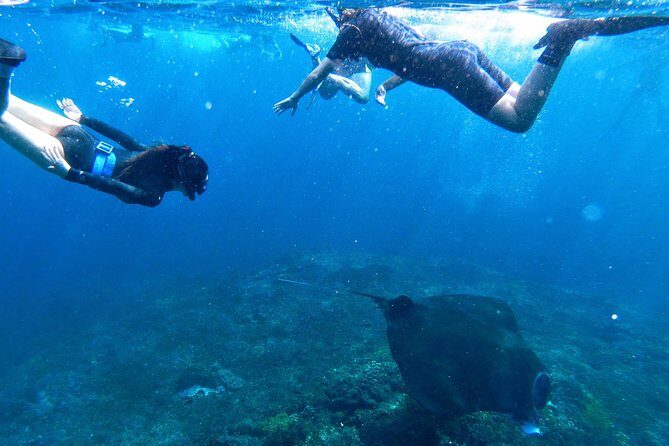
The guide team matters here because you’re doing three underwater sessions and dealing with different conditions across the day. Two names come up in standout ways: Ketut and Dul.
Ketut was praised for easy drift-style work and for helping divers connect with big mantas. Dul was noted for being attentive to needs, giving clear briefings, and making people feel looked after.
That “looked after” piece is huge. When you’re under time pressure, in current, or just trying to relax, good briefings reduce stress fast. It also helps the group stay smoother, which means you spend more time watching the ocean and less time sorting out confusion.
Who this is best for (and who should look elsewhere)
This is for certified divers only, and it expects recent experience. You’ll need:
- Evidence of dive certification
- A minimum of 10 logged underwater sessions
- Recent diving within the past 6 months
There’s also a minimum age of 14 years, and the trip recommends a moderate physical fitness level.
So who should book it?
- You want a true multi-site underwater day, not a quick “try it once” experience
- You’re comfortable with currents and drift-style conditions
- You’ve been active in the last 6 months and can meet the logged-experience requirement
Who might skip it:
- Anyone who’s not confident in stronger currents
- Anyone who can’t meet the recent-experience rules
- Anyone whose health situation might conflict with the health questionnaire screening (conditions like asthma or heart concerns may prevent you from diving, and you should consult a doctor)
Weather, sea conditions, and your manta expectations
The operator is clear that the trip depends on good weather. If it’s canceled due to poor weather, you should be offered a different date or a full refund.
Even when the trip runs, the sea can shift the day. That’s why mantas aren’t guaranteed and why the third underwater stop can change. It’s also why sea sickness comes up in the real-world experience of the boat ride.
My take: treat this like a natural wildlife day, not a showroom event. If you go in expecting 100% certainty on mantas, you’ll be disappointed. If you go in prepared for possible movement and changing conditions, you’ll be glad you took the risk.
Should you book this Bali Diving Nusa Penida day?
I’d book this if you match the requirements and you want your money spent on time in the water across top sites. The value is strong because it bundles transfers, equipment rental, three underwater sessions from a speedboat, lunch, and reef tax into one price.
It also has a proven track record: it’s rated 4.8 with 23 reviews, and 96% of bookings are recommended. That’s not a guarantee of mantas on your day, but it does suggest the basics run smoothly—gear works, guides are attentive, and the day flows.
Skip it if you’re looking for a relaxed, snorkeling-style pace or if you know currents make you anxious. This trip can be manageable, but it’s still open-water scuba, with real ocean forces.
If you want the best odds: bring your motion-sickness support, pack your towel and sunscreen, and be ready for briefings that take currents seriously. That’s the recipe for turning a long morning into one of your favorite Nusa Penida memories.
FAQ
How many underwater sessions are included?
You’ll do 3 underwater sessions in total: Manta Point first, Crystal Bay second, and a third location that changes based on conditions (Toyapakeh / SD Point / Mangrove).
Where does the trip run on Nusa Penida?
The three sites are Manta Point, Crystal Bay, and then Toyapakeh / SD Point / Mangrove depending on the day’s conditions.
Do I need certification to participate?
Yes. You’ll need evidence of dive certification, and the trip also requires a minimum of 10 logged underwater sessions with recent diving in the past 6 months.
What equipment is provided?
Free use of all diving equipment rental is included.
Is lunch included, and can I request a vegan or vegetarian meal?
Lunch and mineral water are included. Vegan and vegetarian options are available if you advise at the time of booking.
What’s the chance of seeing manta rays?
The operator states a 75% probability of seeing manta rays. They also note mantas can’t be guaranteed due to natural habitat conditions and changing sea conditions.
How big is the group and when does it start?
The group is capped at 8 travelers. The start time is 7:00 am, and the activity runs about 8 hours.