REVIEW · NUSA DUA
Bali Art Experience: Batik Painting & Cultural Connection
Book on Viator →Operated by Oedel Batik Experience · Bookable on Viator
Batik starts with quiet wax lines. This Nusa Dua workshop is a hands-on Bali batik painting class with clear instruction and creativity built in, guided by Jenn. I especially liked the step-by-step flow and how you leave with a real, finished batik craft you made yourself.
Just know the process doesn’t end when the workshop ends: you’ll do the final part at home at least 24 hours later using a handout.
In This Review
- Key Highlights You’ll Care About
- Batik in Nusa Dua: What You’ll Make (and Why It Feels Personal)
- Price and Logistics: Is $33.45 Worth Your Time?
- Meeting Point at TOPM PIZZERIA in Benoa: Quick, Straightforward Start
- Nusa Dua Beach and Mengiat Beach: Why the Two Stops Matter
- The Batik Workshop Steps: From Pencil Lines to Wax-Resist Color
- 1) Choose and trace your design
- 2) Paint melted wax along the traced lines
- 3) Paint colors over the waxed cloth
- 4) Fix the colors with a liquid
- 5) Finish at home after 24+ hours
- The At-Home Finish: A Small Wait That Protects the Final Result
- What’s Included (and the Hidden Value in the Details)
- Best For: Who Should Book This Batik Class
- Should You Book Oedel Batik Experience in Bali?
- FAQ
- FAQ
- Where is the meeting point for this batik workshop?
- How long does the Bali batik painting experience take?
- What are the main steps in making batik during the class?
- Do I finish everything during the workshop?
- Is food or drink included in the price?
- Does the tour price include batik tools and materials?
- Is transportation included?
- Is this activity private?
- What is the cancellation policy?
Key Highlights You’ll Care About
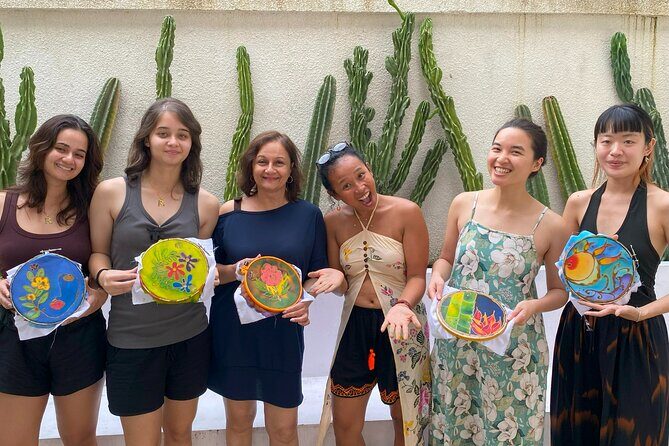
- A guided, table-based batik workflow: trace → wax → color → fix
- Jenn’s clear instruction and room to be creative
- Private, small-group feel that can make it easy to ask questions
- A meaningful souvenir you’re making with traditional materials and methods
- You complete the last steps after you get home (plan for the wait)
Batik in Nusa Dua: What You’ll Make (and Why It Feels Personal)
This is the kind of Bali craft class that actually gets you working, not just watching. You sit around a table for roughly 1.5 to 2.5 hours, depending on your pace, and you create your own batik on cloth using a traditional wax-resist approach. That hands-on method matters because you can see the pattern take shape as you go—wax where you want the design to stay lighter, color where you want it to show.
What I like most is that you’re not boxed into one template. You’ll pick a design and trace it onto cloth, and several class sessions focus on letting you make choices in how your piece looks. In one-on-one setups, that personalization is even stronger, with the teacher explaining each step clearly so you feel in control instead of rushed.
One other good thing: this class gives you something to take home that feels tied to Bali in a real way—because your hands are part of it.
If you're still narrowing it down, here are other tours in Nusa Dua we've reviewed.



Price and Logistics: Is $33.45 Worth Your Time?
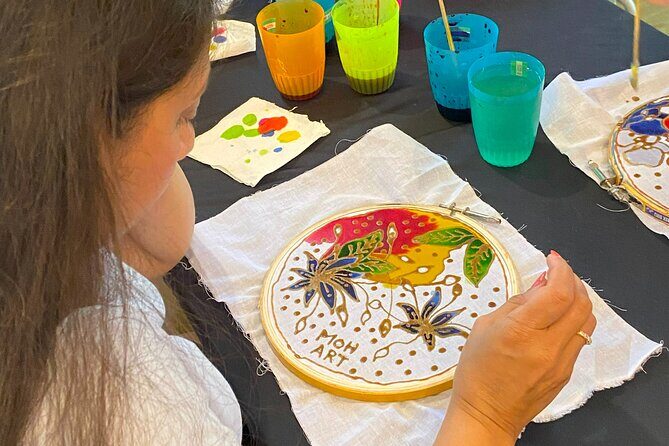
At $33.45 per person, you’re paying for a guided workshop that includes the batik tools, cloth, and the design you’ll trace. You also get a licensed guide, plus an instruction handout for the part you do later. That’s the key value point: you’re not just buying a souvenir store item—you’re buying technique, materials, and guidance.
Two practical notes for planning:
- Food and drink aren’t included, so you’ll want to eat before or after.
- Transportation isn’t included, so you’ll need to arrange getting to the meeting point and back.
The time commitment is also realistic. You’re looking at about 2 hours 30 minutes overall (approx.), and you’ll return to the meeting point at the end. For Nusa Dua, that’s a simple fit into a day of beaches and easy sightseeing.
Meeting Point at TOPM PIZZERIA in Benoa: Quick, Straightforward Start
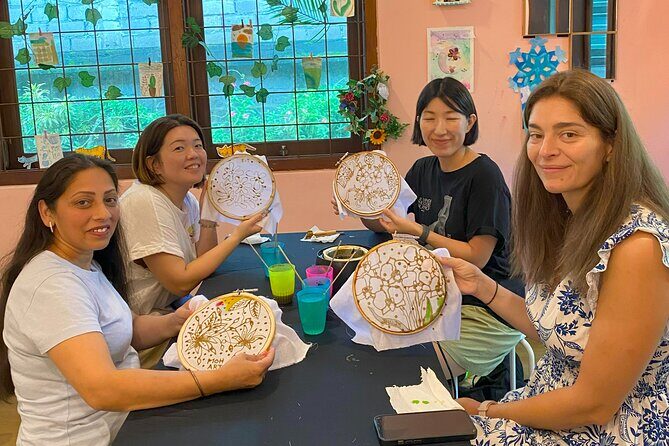
The class meets at TOPM PIZZERIA, Jl. Siligita No. 99x, Benoa, Kec. Kuta Sel., Kabupaten Badung, Bali 80361. It’s convenient that the activity ends back at the meeting point, so you don’t need to figure out a separate drop-off location.
A small but helpful detail: you get a mobile ticket, and the provider notes confirmation is received at booking. The tour is private, meaning only your group participates, which usually feels calmer for learning. Also, service animals are allowed.
If you like a smooth start, aim to arrive with enough time to park or settle yourself. Craft sessions go better when you’re not trying to sprint in at the last minute.
Nusa Dua Beach and Mengiat Beach: Why the Two Stops Matter
The itinerary includes two beach stops: Nusa Dua Beach and Mengiat Beach. Even if your main focus is the workshop, these stops act like a reset button. They set the mood—cooler air, a change of scenery, and a few moments to look around before you sit down and concentrate.
In practical terms, these beach moments also help you get your bearings. Nusa Dua is a comfortable base area in Bali, and the short change in environment makes the craft time feel less like an indoor detour and more like a cultural pause in the middle of your day.
A consideration: since the exact time spent at each stop isn’t specified, don’t build your schedule around a long photo session. Treat them as quick breaks that pair well with the workshop timing.
The Batik Workshop Steps: From Pencil Lines to Wax-Resist Color
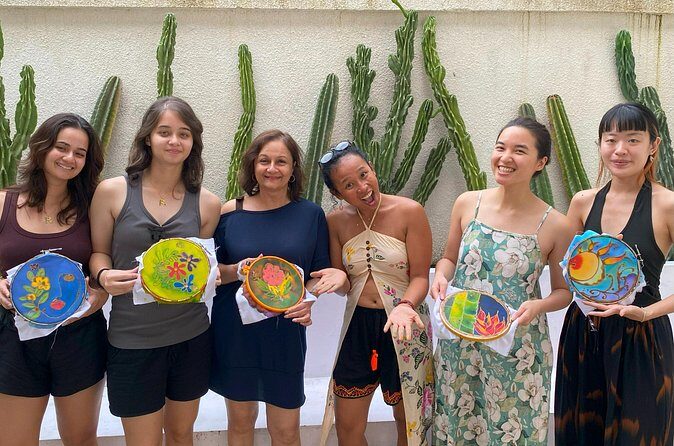
You’ll be seated around a table and guided through the process first with a demonstration, then you do it yourself. The main steps are clear and logical—so even if you’ve never made batik before, you’re working with a pattern you can follow.
Here’s the full workflow you should expect:




1) Choose and trace your design
You’ll select a piece of artwork to use for your batik. Then you’ll trace it onto cloth using a pencil. If you have your own idea, the class notes you can bring a simple design, but you’ll also have a design provided to trace.
This step is where the class becomes fun, because you’re shaping the final look right away. And if your design feels slightly imperfect? That’s normal. Batik is handmade, and the point is the process.
2) Paint melted wax along the traced lines
Next comes melted wax. You paint the wax onto the cloth, following the lines you traced. This is the heart of batik because wax works like a resist: it blocks dye from reaching the fabric where the wax sits.
This step can feel a little fiddly at first, but it’s also where you start to understand how your design will separate into light and dark areas.
3) Paint colors over the waxed cloth
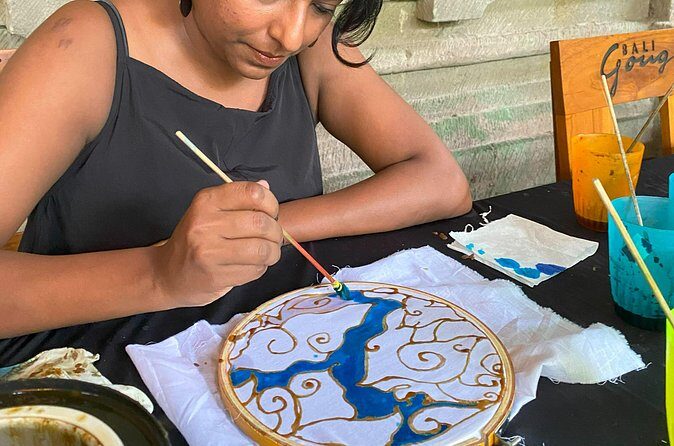
After the wax lines are in place, you paint colors onto the cloth. This is where you’ll see your piece transform. You can think of it like working in layers—your wax keeps certain parts clean, while the rest takes the dye color.
4) Fix the colors with a liquid
Then you apply a liquid to fix the colors. This matters because it’s part of making the colors set properly, so your batik doesn’t just look good during the class.
5) Finish at home after 24+ hours
You’ll do the remaining part of the process at least 24 hours later at home. The guide provides a handout with instructions for that finish.
Even though that last step happens later, the class still gives you a strong outcome. Reviews also point out that people end up with nice batik pieces to take away afterward—so you won’t feel like you only paid for a lesson with no souvenir.
The At-Home Finish: A Small Wait That Protects the Final Result
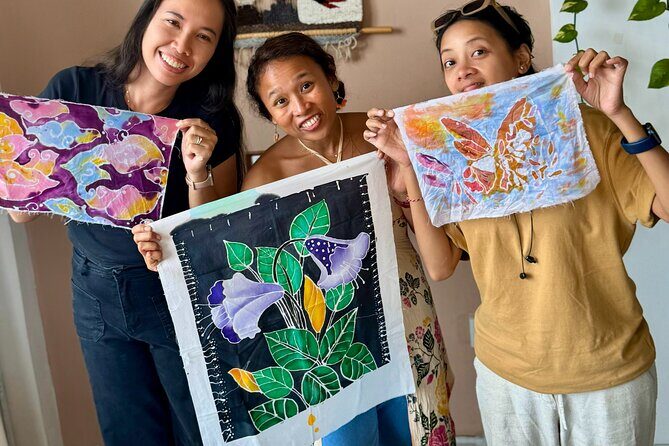
One of the big differences versus a standard painting class: batik needs time for the process to settle. You’ll apply the fix step during the workshop, then complete the remainder at least 24 hours later using the handout.
This is the main drawback to keep in mind. If you want everything done in one sitting, batik may frustrate you. But if you can handle a short waiting period, it’s worth it, because the extra time is part of how the craft works.
What you can do to make it easier:
- Keep the handout safe and easy to find once you’re back at your lodging.
- Plan the finish for a day when you have time to follow the instructions calmly.
- Don’t pack the work in a way that causes creasing if the handout warns about handling (follow the guidance exactly).
What’s Included (and the Hidden Value in the Details)
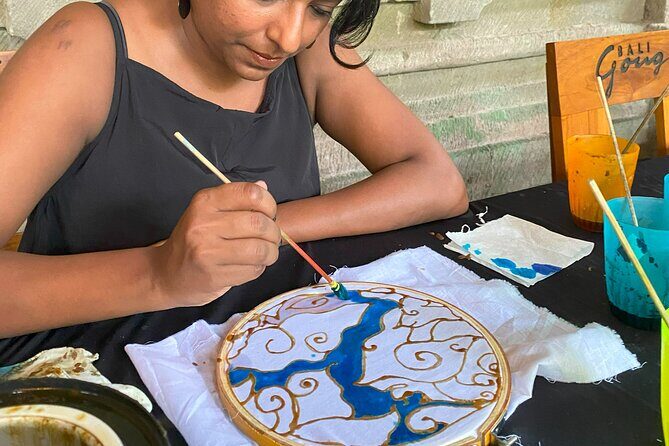
Included in the class:
- Batik tools
- Design to trace onto the cloth (you can bring your own simple design)
- The cloth
- Licensed guide
That set of inclusions is important because batik is material-heavy. The tools and cloth aren’t add-ons you need to shop for, and the guide helps you avoid common beginner errors—like tracing too loosely, putting wax on the wrong parts, or rushing the color layers.
Not included:
- Food and drink
- Transportation
So you should plan your day with water and a meal on your schedule. The workshop itself is likely held in a cafe-like setup where you’re working around a table, which is comfortable and practical for a craft session. If you like crafts, this kind of structure is exactly what you’re looking for: clear steps, hands-on time, and a final product you can be proud of.
Best For: Who Should Book This Batik Class
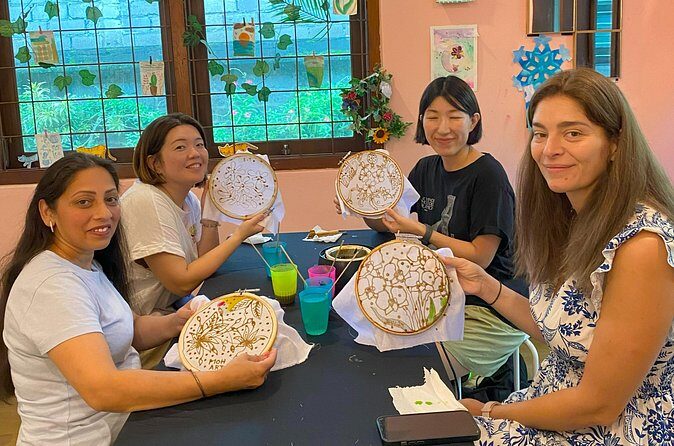
This experience is a good match if you:
- Want a hands-on Bali activity that makes a lasting souvenir
- Like crafts and don’t mind spending a couple hours focused at a table
- Prefer smaller, more personal instruction—private sessions are offered
- Are curious about how traditional methods turn into something you can make yourself
It’s also a smart choice for couples or friends who want a shared creative task. One-on-one time can happen depending on your group setup, and when it does, you’ll benefit from faster feedback on your tracing and wax placement.
If you’re the type who hates waiting for anything, the at-home 24+ hour finish is the one part that could annoy you. Otherwise, it’s a straightforward, satisfying class.
Should You Book Oedel Batik Experience in Bali?
I’d book this if you want a creative Bali experience with real craft steps, not just a short demo. The value is in the package: materials (tools and cloth), a licensed guide, and a guided process that results in a tangible batik piece you helped create.
Skip it if you need everything finished the same day or if you don’t want an at-home task later. The workshop is only part of the full batik process.
If you’re staying in Nusa Dua and you’re looking for something hands-on, this batik class is an easy win.
FAQ
FAQ
Where is the meeting point for this batik workshop?
It starts at TOPM PIZZERIA, Jl. Siligita No. 99x, Benoa, Kec. Kuta Sel., Kabupaten Badung, Bali 80361, Indonesia.
How long does the Bali batik painting experience take?
The duration is about 2 hours 30 minutes (approx.), with seated time around a table for roughly 1.5 to 2.5 hours depending on how fast things go.
What are the main steps in making batik during the class?
You’ll trace a design onto cloth with pencil, paint melted wax over the traced lines, add colors, apply a liquid to fix the colors, and then complete the remaining steps at home later.
Do I finish everything during the workshop?
No. The rest of the process is done at home at least 24 hours later. You’ll receive a handout with instructions for that part.
Is food or drink included in the price?
No. Food and drink are not included.
Does the tour price include batik tools and materials?
Yes. It includes batik tools, a design to trace into the cloth (and you can bring your own simple design), the cloth, and a licensed guide.
Is transportation included?
No. Transportation is not included, so you’ll need to arrange getting to and from the meeting point.
Is this activity private?
Yes. It’s listed as a private tour/activity, so only your group will participate.
What is the cancellation policy?
This experience is non-refundable and cannot be changed for any reason. If you cancel or ask for an amendment, the amount you paid will not be refunded.