REVIEW · KUTA
An Evening of Bali Traditional Dance
Book on Viator →Operated by Tour East Indonesia · Bookable on Viator
Balinese dance after sunset is pure theatre. This evening show brings together Kecak, the Fire Dance, and Saghyang trance-style performance in Batubulan, with a guide tying the scenes to the story and meaning. I especially like how the show turns into a living legend with the Prince Rama storyline, and I love having someone explain what you’re seeing instead of just watching shapes. One thing to watch: the timing can feel long, since pickup and traffic can stretch the experience and you may be out early.
If you’re staying around Kuta, Seminyak, Sanur, Jimbaran, or Nusa Dua, this is an easy way to get to the amphitheater without figuring out transport. The show is outdoors, so it’s not a sit-and-forget comfort experience, and you’ll want to plan around no food or drinks being included. Still, for the price point, it’s a solid cultural night when you want a simple plan and real Balinese performance.
In This Review
- Key Points to Know Before You Go
- Batubulan at 4pm: The Setting That Changes the Mood
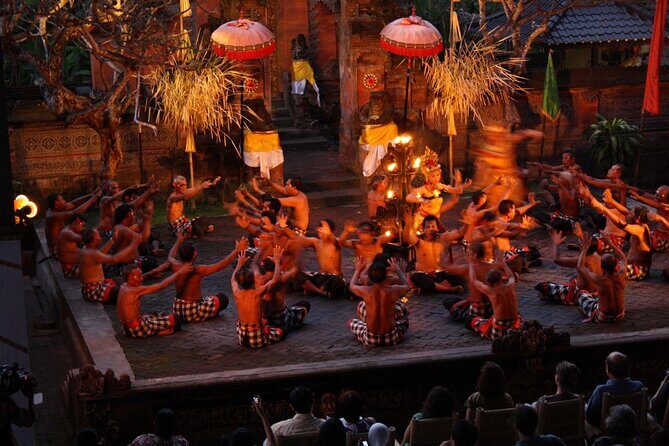
- Kecak Monkey Dance: 50 Torches, Chant Energy, and Rama’s Story
- Fire Dance: Bare-Hands Fire, Coals, and a Reality Check
- Saghyang Trance: When the Movement Feels Spiritual
- Pickup, Waiting, and Traffic: The Schedule Is the Real Challenge
- Price vs. Value at $48.72: When It’s Worth It
- Guides, Side Stops, and How to Keep the Evening Yours
- Outdoor Comfort Tips: Mosquitoes, Night Air, and What to Wear
- Who This Tour Fits Best
- Should You Book This Bali Dance Evening?
- FAQ
- What time does the show start?
- How long is the tour?
- Which dances are included?
- Where does pickup happen?
- Is the dance admission included?
- Are food and drinks included?
- Is transportation provided, and is it air-conditioned?
- What is the cancellation deadline?
Key Points to Know Before You Go
- Three dances in one evening: Kecak, Fire Dance, and Saghyang, all in one visit.
- Story explanations matter here: guides like Darta can make the myth feel clear and personal.
- Outdoor amphitheater = practical stuff: plan for mosquitoes as the sun drops.
- Pickup can run early: it’s tied to traffic and venue timing, so don’t treat your schedule like clockwork.
- Value depends on how you manage extras: some add-on stops can eat time and change the vibe.
- Small group size: max 15 travelers helps keep it organized.
Batubulan at 4pm: The Setting That Changes the Mood
This tour is built around an evening performance that starts with a ride from your hotel and then a walk into the Batubulan performance area. The venue is described as a rustic amphitheater, and the overall feel is tribal and theatrical rather than polished and modern. That matters, because you’re not just buying a ticket—you’re buying atmosphere.
The start time is listed as 4:00 pm, but the show timing can feel different once pickup hits traffic. In practice, you may be picked up earlier than you expect, then wait for the venue to be ready. A guide named Darta was praised for anticipating heavy traffic and still finding time for a quick temple stop when there was room.
Bring the right mindset. You’re spending several hours in the experience loop: pickup, ride, venue wait, then the performance. If you treat it like a quick in-and-out attraction, it can feel like too much. If you treat it like an evening cultural outing, it lands better.
Also, this is not a dinner plan. Food and drinks aren’t included, so you’ll want to think about when you last ate and whether you need water before the show. The temperature cools off at night, but the waiting and the outdoor setting can still make you feel worn out.
If you're still narrowing it down, here are other tours in Kuta we've reviewed.



Kecak Monkey Dance: 50 Torches, Chant Energy, and Rama’s Story
The biggest headline is the Kecak (Monkey) Dance, and it’s the segment most people remember. The performance centers on the Prince Rama rescue story, told through chants and a circle-style staging. What you’re watching is dramatic and hypnotic in the best way: a group rhythm that grows louder and more intense as the story moves forward.
The show is staged with a crowd-controlled feel—there’s an expectant hush as performers emerge. Then you get the electric visual of men holding blazing bamboo torches. That torch scene isn’t just cool lighting; it’s part of how the audience is pulled into the story. Even if you don’t know the myth beforehand, the structure makes it easier to follow what’s happening.
Here’s the practical tip: before you sit down, get oriented. Some people found the tour materials or program helped because narration during the show isn’t always detailed. If you can, read the program while you’re waiting so you’re not guessing through the first minutes.
If you’re sensitive to strong sound or intense crowd energy, take note: Kecak leans into volume and rhythm. It’s not background entertainment. It’s a performance with a pulse.
Fire Dance: Bare-Hands Fire, Coals, and a Reality Check
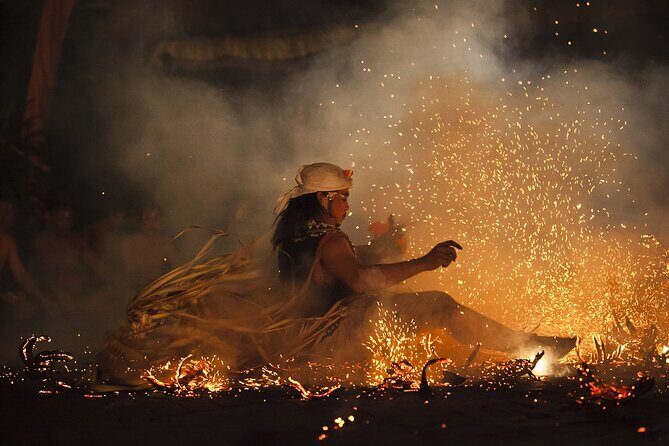
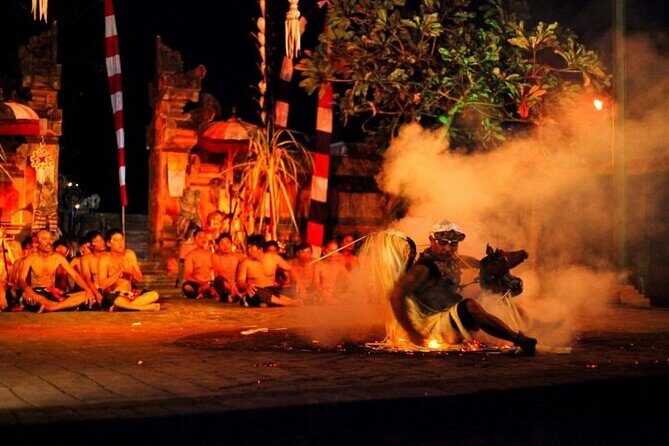
The Fire Dance is exactly what it sounds like: intense, fast, and a little bit scary even when you know it’s staged. In the show description, performers step over smoldering coals without feeling pain. That detail is the core of why the Fire Dance is so memorable—your brain wants to argue with the scene.
A few people called this the most exciting part, and one description stood out for how physical it looked. The performance can also feel risky because it’s dramatic and close-up. If you hate watching dramatic fire work, you might find yourself squinting or looking away during the hottest moments.
What I’d recommend: don’t sit too far forward if you get nervous watching fire scenes. Also, remember this is outdoors—so you’re dealing with night air and insects, not stage fans and climate control. One practical note from the experience context: mosquitoes can be a problem once the sun goes down.
Guide assistance can help here. In one standout moment, a guide named Oka even bought mosquito repellent and suggested applying it while people watched the Kecak outside. That’s the sort of small, grounded help that can turn a stressful waiting period into a manageable one.
Saghyang Trance: When the Movement Feels Spiritual
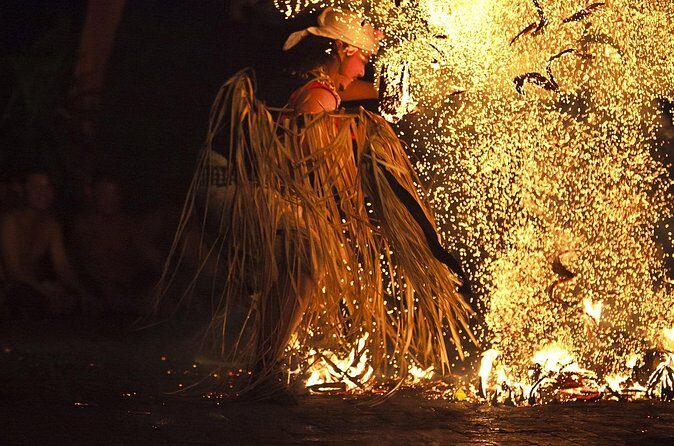
The third dance is Sanghyang (Trance), described as a traditional dance originally performed as an exorcism. Compared with Kecak’s story rhythm and the Fire Dance’s spectacle, Saghyang brings a different kind of intensity. It’s not about torchlight drama or fire stepping; it’s about trance-style movement and a strong spiritual mood.
This part can be the surprise highlight if you expect only entertainment. The convulsive choreography can look almost ritualistic, and it’s one reason this tour appeals to people who want more than a showy tourist evening. Several comments emphasized that it felt like a spiritual story rather than just costumes and stage tricks.
Still, don’t expect a clean lecture. The value here comes from understanding the meaning behind the dance, and that’s where your guide matters. People praised guides for explaining the storyline and context. If your guide speaks clearly and connects the dances to each other, Saghyang hits harder.
Also: this dance can feel intense. If you’re on the fence about trance performances or anything that feels emotionally heavy, it’s worth mentally bracing yourself before you sit down.
Pickup, Waiting, and Traffic: The Schedule Is the Real Challenge
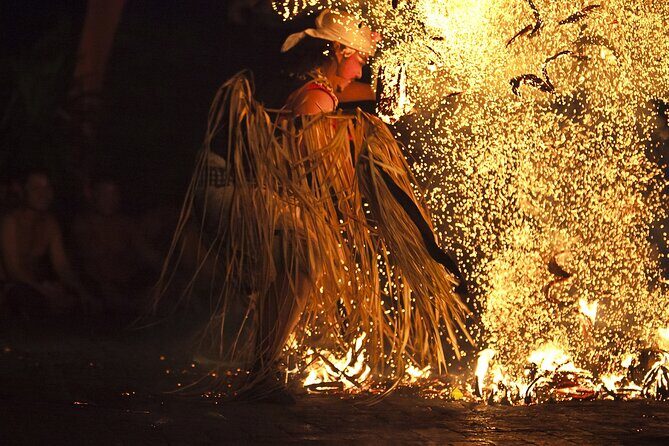
The most common friction point isn’t the performance. It’s the time between your hotel and the amphitheater. Pickup is available from major hotels around Kuta, Seminyak, Sanur, Jimbaran, and Nusa Dua, using an air-conditioned vehicle. That’s convenient and usually worth it after a day in Bali traffic.
But the tour duration is about 4 hours, and the show itself is about 1 hour. That means a large chunk of your evening can be ride time and waiting. Add heavy traffic, and your start time on paper can stretch in real life.
Some participants were picked up far earlier than they expected, which then led to waiting while the venue opened. Others also noted en-route stops that weren’t strictly necessary, like markets or craft areas, and that those stops can be a time-sink if you just want the show.
So here’s how to handle it:
- Treat the booking time as a window, not a promise.
- If you have dinner reservations later, keep them flexible.
- Bring a water bottle and something small to eat if you tend to get hungry. Food isn’t included.
The good news: smaller group size (max 15) can make waiting feel less chaotic. And when the guide manages time well, the whole evening feels smoother.






Price vs. Value at $48.72: When It’s Worth It
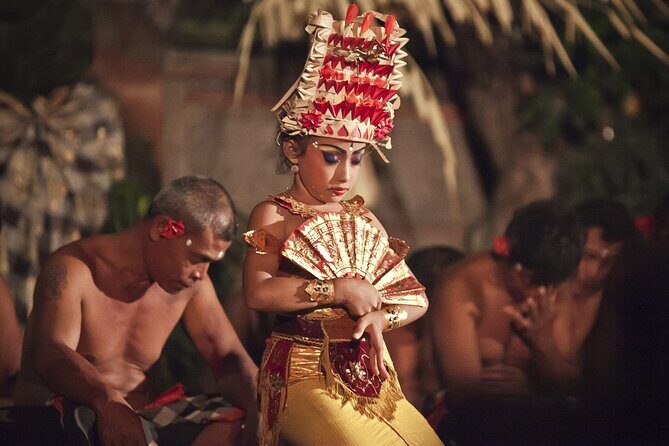
At $48.72 per person, the offer includes hotel pickup and drop-off, an English-speaking licensed guide, air-conditioned transport, and admission for the dance performance. You’re also getting a mobile ticket and group discounts depending on how the booking is arranged.
Is it a bargain? Not always. Some comments felt the experience was overpriced compared to buying show tickets on your own and arranging a cheaper ride. Others felt it was worth it because the guide explanations made the evening click, and because the convenience removed the need to plan transport.
From a value standpoint, the tour becomes better if:
- You want a guide to connect the dances to story and meaning.
- You don’t want to deal with transport logistics late in the day.
- You appreciate having one organized evening instead of separate planning steps.
It can feel less fair if:
- You’re stuck waiting a lot before the show starts.
- You end up spending time on shopping stops you didn’t want.
- Your show experience feels shorter than you expected.
Here’s my practical take: pay for convenience and context, not just seats. If you get a guide who explains well and you avoid time-draining detours, this price can feel reasonable.
Guides, Side Stops, and How to Keep the Evening Yours
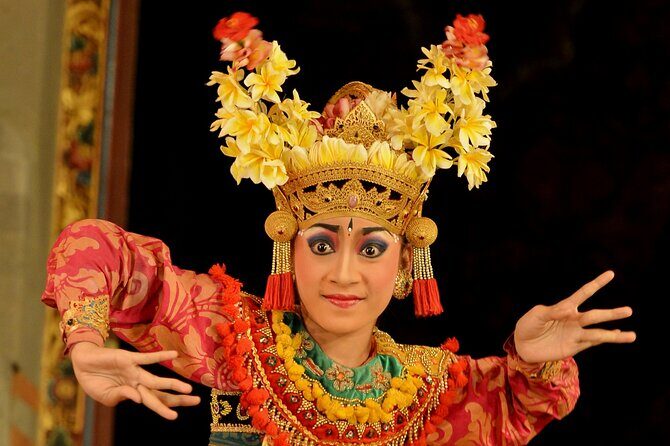
Guides can make or break this kind of tour because the performance is fixed, but the ride and the pacing aren’t always. You’ll see professional service described—like guides who manage timing and keep you calm during delays. People also highlighted Darta for thoughtful time management and added cultural context during extra pauses, including temple and ceremonial explanations.
On the other hand, some people felt blindsided by extra stops and wished they’d had clearer communication. There’s also mention of unsolicited visits to areas to encourage purchases, and a few people didn’t love that approach. That doesn’t mean everyone experiences it the same way, but it’s a pattern to be aware of.
If you book, you’ll be safest by setting your expectations early:
- Ask if there are planned stops before the amphitheater.
- Tell your guide you only want brief stops if you’re on a tight schedule.
- If you get pushed toward shopping, politely decide fast. The longer you debate, the longer it steals your evening.
There are also small “bonus” moments some people enjoy, like the chance to take photos after the show with performers. That’s fun if you like souvenirs beyond a photo on your phone, but ask about cost before you commit.
Outdoor Comfort Tips: Mosquitoes, Night Air, and What to Wear
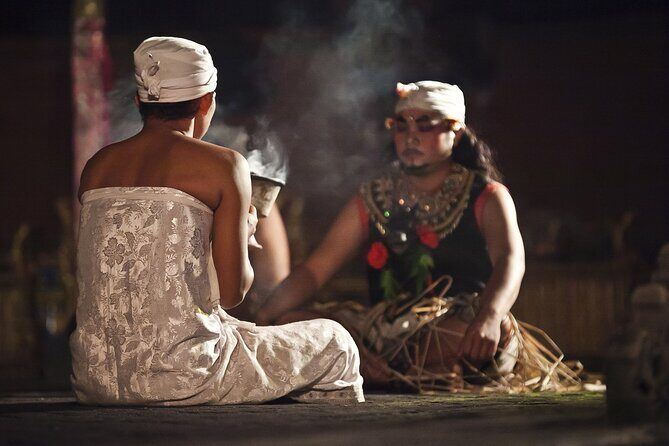
Because the stage is outdoors, comfort matters more than you’d think. People specifically noted mosquito bites as the sun goes down. You can’t fully control that, but you can reduce it.
Bring:
- Mosquito repellent (or be ready to apply it on site)
- A light layer for night air
- If you get stomach hunger: a small snack before pickup, since food and drinks aren’t included
Also think about the Fire Dance’s intensity. Even if you’re sitting safely, the visuals are dramatic. If you get squeamish, plan where you’re going to look when the coals and flames get close.
Lastly, consider your phone battery. This is an evening show with low lighting and stage action, so your battery can drain fast if you try to record the entire Kecak.
Who This Tour Fits Best
This evening show is a good match if you:
- Want a simple plan from the Kuta/Seminyak/Sanur/Jimbaran/Nusa Dua area
- Appreciate cultural context, not just a performance
- Like story-driven shows, especially when the guide connects the myth behind the dances
It’s also a solid choice for first-time visitors who want to understand Balinese performing arts without doing the DIY homework of finding multiple venues and timing.
On the flip side, you might skip this tour if:
- You hate being picked up very early or standing around waiting
- You strongly dislike any detours that feel shopping-driven
- You’re seeking a super long, sit-back show (the main dance performance is about 1 hour)
Should You Book This Bali Dance Evening?
I’d book it if your priority is three classic dances in one night, plus a guide who explains the story so the performances feel connected. The Kecak torch scene and the contrast between Fire Dance and Sanghyang are a smart cultural combo, and the pickup convenience is real.
I’d be cautious if you hate schedule uncertainty or shopping detours. If you do go, set expectations with the guide early, bring repellent, and eat beforehand.
Overall, it’s the kind of evening that can feel like a cultural lesson wrapped in theatre—especially when a guide like Darta or Oka helps the story make sense and keeps you comfortable while the night show takes its time.
FAQ
What time does the show start?
The start time is listed as 4:00 pm.
How long is the tour?
The duration is about 4 hours.
Which dances are included?
The experience includes Kecak Dance, Fire Dance, and Sanghyang (Trance) Dance.
Where does pickup happen?
Pickup is offered from major hotels in the Kuta, Seminyak, Sanur, Jimbaran, and Nusa Dua areas.
Is the dance admission included?
Yes. A 1-hour dance performance with admission ticket is included.
Are food and drinks included?
No. Food and drinks are not included.
Is transportation provided, and is it air-conditioned?
Yes. You get pickup and drop-off transport in an air-conditioned vehicle.
What is the cancellation deadline?
You can cancel up to 24 hours in advance for a full refund.
If you want, tell me which area your hotel is in and what time you plan to eat dinner. I’ll help you judge whether this timing will feel smooth or annoying for your schedule.