REVIEW · KUTA
Snorkelling in Nusa Penida – Manta Point
Book on Viator →Operated by Neptune Scuba Diving · Bookable on Viator
A long boat ride, then instant reef magic. This Nusa Penida snorkeling trip is built around three stops off the island, including Manta Point and Crystal Bay, so you’re not stuck staring at one small patch of water. I especially liked the way the day is organized for comfort and safety, with a dedicated guide for each snorkel group and a boat that carries lunch, snacks, and drinks. One thing to keep in mind: site access can change with weather and sea conditions, so your exact route may shift.
I also like that it’s a practical “whole day” plan from Bali, not a quick in-and-out. You get a long stretch around Nusa Penida’s coast, plus a north-side drift-style experience, which is often where the marine action ramps up. The main drawback is that you’ll need good stamina and basic water comfort because the sea can be active, and you’ll spend hours on the water.
If you want a manta-focused day without doing the planning yourself, this is one of the smoother ways to do it from Sanur.
In This Review
- Key Highlights Worth Caring About
- Why Manta Point and Crystal Bay Are the Core of This Day
- Price and What You’re Really Paying For
- Getting From Sanur to Nusa Penida: Time, Transfers, and Group Size
- Stop 1: Manta Point Snorkeling Off Nusa Penida
- Stop 2: Crystal Bay for Coral and Marine Variety
- Stop 3: North-Side Drift Dive Style Snorkeling (What It Means in Practice)
- Kelingking Beach: The Scenic Detour That Breaks Up the Day
- On-Board Comfort: Lunch, Snacks, Water, and Safety
- What to Bring (So the Day Feels Easy)
- Who This Tour Fits Best (and Who Might Rethink It)
- Should You Book This Nusa Penida Manta Point Snorkeling Trip?
- FAQ
- Where does the tour start and end?
- Is pickup offered?
- How long is the snorkeling experience?
- What’s included in the price?
- What is not included?
- What is the minimum age?
- Do I need to have any dive certification?
- Is a vegetarian meal available?
- What happens if the weather isn’t good?
- How many people are in the group?
Key Highlights Worth Caring About
- Small group size (max 12) helps the guide manage entry, spacing, and safety more easily
- Three reef stops means you’re not counting on one location for your best moment
- Manta Point + Crystal Bay are chosen for coral variety and a strong chance of big marine encounters
- Dedicated guide per snorkel group so you’re not wandering blind out there
- Lunch, snacks, and bottled water on board so you’re fueled for the full day
- Conservation fee payable in cash (IDR100,000 per person) so you know what to bring
Why Manta Point and Crystal Bay Are the Core of This Day
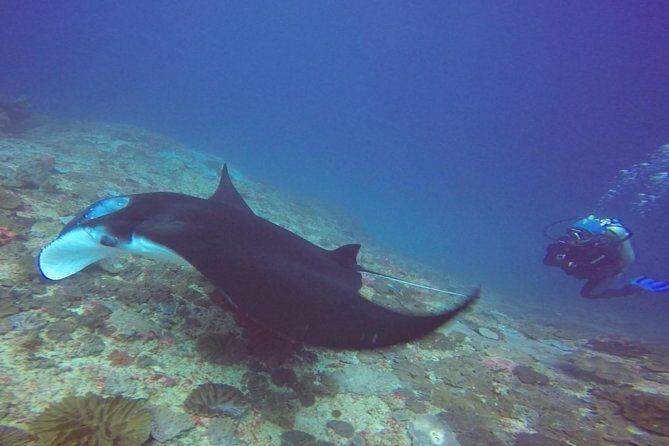
Nusa Penida snorkeling is one of those Bali experiences where the “wow” factor depends on where the water is moving and what the reef is doing that day. This trip focuses on two named areas that are well known for marine life passing through the current, not just coral you can admire from a standstill.
At Manta Point, the goal is to get in the water where mantas may cruise overhead. That doesn’t guarantee anything (the ocean isn’t a menu), but the route is designed to put you in the right zone. You’ll snorkel with a guide who can help you with timing and spacing, which matters because you want your breath and attention available when the water decides to deliver.
Then you head to Crystal Bay, which is typically about coral and fish life—great for filling in the day if mantas are shy or if conditions limit the time at one stop. In other words, this isn’t a one-bet itinerary. You’re building in a second chance to have a great reef session.
If you're still narrowing it down, here are other tours in Kuta we've reviewed.

Price and What You’re Really Paying For
The price is $150 per person, which is on the higher end compared with some Bali snorkeling options. The reason it can still feel fair is that you’re paying for a full-day Nusa Penida plan with real time on the water, plus the logistics that make the day smoother.
Here’s what’s included:
- Lunch, snacks, and bottled water
- Snorkeling equipment (use of gear is included)
- A professional snorkeling guide for your group
- Snorkeling insurance
- All taxes and handling charges
- Mobile ticket (so you don’t scramble for paperwork)
What’s not included:
- GoPro rental
- Conservation fee: IDR100,000 per person, payable in cash
That cash conservation fee is the kind of detail that can surprise people when they’re already budgeting. If you’re going to do this trip, I’d arrive with enough small cash to avoid a last-minute scramble.
Also, the boat transfers cover a lot more reef than what you usually get from shorter tours that only hop once or twice. For a destination like Nusa Penida—where travel time matters—spending the day efficiently is part of the value.
Getting From Sanur to Nusa Penida: Time, Transfers, and Group Size
The day starts at Neptune’s center in Sanur (Jl. Suka Merta, Kauh, Denpasar Selatan, Denpasar 80228). Pickup is offered, which can be a big deal if you’re staying away from Sanur. Once you’re at the dive center, the team handles the logistics so you can move straight into gear setup.
A key practical detail: you’re asked to provide height, weight, and shoe size ahead of time. That’s not busywork. It helps them set up snorkeling equipment that fits correctly, which can make the difference between an easy day and one where you’re constantly adjusting straps.
The overall trip is about 6 hours (transfer timing is approximate), and the boat ride to Nusa Penida is about 45 minutes. That’s long enough that you’ll want to bring your sea-legs seriously: lightweight layers, sun protection, and a mindset that you’re going somewhere far.
Group size is also kept tight: maximum 12 travelers. With a dedicated guide per snorkel group, you’re less likely to be left behind or have your view blocked by a big, mixed crowd. It tends to feel more controlled in the water.
Stop 1: Manta Point Snorkeling Off Nusa Penida
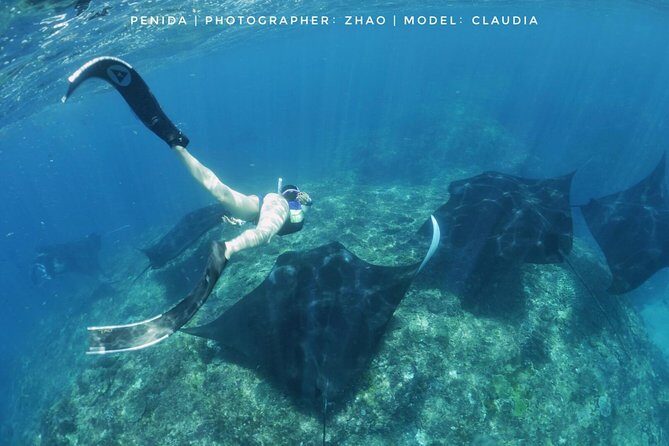
Manta Point is the headline for many people, and it’s also the stop most affected by conditions. Strong seas can change what’s safe and what’s reachable. So if you’re thinking, I’m going to see a manta for sure, you’ll want to reset your expectations a notch. The ocean runs the show.
What I like about the setup is that you don’t gamble everything on one moment. You snorkel multiple areas across the coast. That means even if mantas don’t show, you’re not left with just one quick swim and a long ride back.
In the water, your guide’s job is more than pointing. They help with the flow—where to enter, how to position yourself, and how to manage your breathing so you can stay calm when the surface gets busy. That matters at manta-focused spots, where you might spend a bit of time waiting for the water to bring something overhead.
Practical tip: bring a rash guard or swim shirt if you burn easily. You’ll be out in the sun, on a boat, then in the water again—no time for shade heroics.
Stop 2: Crystal Bay for Coral and Marine Variety
After Manta Point, the day shifts to Crystal Bay, which is typically where snorkeling feels more “classic reef” and less about scanning for one big visitor. This is the stop where you can enjoy hard and soft corals and a wide mix of fish life.
I appreciate that the itinerary is designed to give you both styles of snorkeling:
- One stop optimized for big-moving wildlife
- Another that’s more about coral structure and variety
Even when the sea is choppy, reef areas often hold life at a steady pace, so you can still have a good experience even if visibility isn’t perfect.
This is where good buoyancy and calm breathing pay off. Don’t fight the water. Let the guide’s directions help you stay in the right place without wasting energy.
If you’re the type who loves photographing coral textures and fish behavior, this stop can feel like the “linger here” part of the day.




Stop 3: North-Side Drift Dive Style Snorkeling (What It Means in Practice)
The plan includes drift-style snorkeling sites on the north side of Nusa Penida. You should think of this as snorkeling where movement plays a bigger role than standing still. Currents can bring more wildlife through your viewing zone, but you’ll also need to feel comfortable staying relaxed and following the guide.
This is also part of why the trip feels more substantial than shorter reef hops. You’re not just walking in circles over one location. You travel along the coast, then spend your water time where the underwater conditions are more likely to make the day memorable.
If you’re worried about drift, don’t pretend you’re fearless. Instead, tell your guide you’d like extra help with positioning and timing at the start. In a small group, that’s easier to support than with a large crowd.
Kelingking Beach: The Scenic Detour That Breaks Up the Day
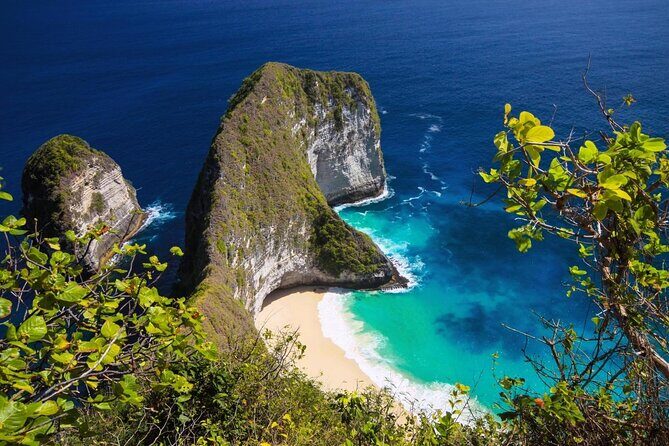
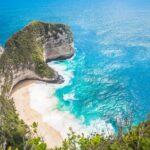
The route includes a stop connected to Kelingking Beach. Even when it’s not the focus of your snorkeling agenda, it helps break the long travel rhythm. This is one of those Penida moments that gives your brain a reset: you look at the island, you feel how dramatic the coastline is, then you go back to the water.
Don’t expect this to replace the snorkeling. Think of it as a scenic pause so the day feels like an outing, not just a transport chain.
If your priority is purely underwater time, the best mindset is to treat Kelingking as a bonus view rather than your main event.
On-Board Comfort: Lunch, Snacks, Water, and Safety
One of the smartest parts of this tour is the simple fact that food and hydration aren’t an afterthought. You get lunch, snacks, and water on board while you’re between stops. For Nusa Penida days, that matters because you’ll be tired from sun, salt air, and movement. Getting fed on the boat helps you stay focused during the snorkeling windows.
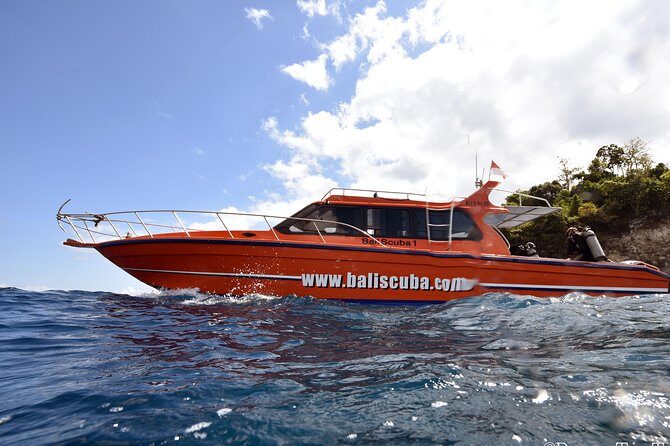
The boat is described as clean and safe, and safety is treated as a priority. That shows up in how groups are managed—each snorkeling group has a dedicated guide. A dedicated guide also makes it more likely you’ll get help if you need it, whether that’s adjusting gear or finding your way back to the group in the water.
Also, this tour can include a mix of snorkelers and scuba participants. That’s not a problem, but it does change the vibe a bit: you’ll see divers gearing up, and you’ll likely have a quick briefing that keeps everyone synchronized.
If you get seasick, plan ahead. The data doesn’t spell out anti-nausea options, so you’ll need to bring your own strategy.
What to Bring (So the Day Feels Easy)
This trip is all about being prepared for sun, salt, and comfort—because you’re out for hours.
- Reef-safe sunscreen and a sun shirt (long exposure is part of the plan)
- A dry bag for your phone and valuables
- Simple water shoes if you prefer them (equipment is provided, but many people still like having their own traction)
- A small cash amount for the IDR100,000 conservation fee
- If you want a camera, consider that GoPro rental is not included
One more practical note: you’ll be asked for personal measurements for equipment setup (height, weight, shoe size). If you gave them wrong data or left it out, you might end up with gear that doesn’t fit well, and that’s when days start to feel harder than they should.
Who This Tour Fits Best (and Who Might Rethink It)
This tour is a strong match if:
- You want a manta-focused day but still want backups (Manta Point plus Crystal Bay plus north-side snorkeling)
- You appreciate structure and safety, with a guide for your group and a small max group size
- You’d like food and drinks included so you can just enjoy the day
It may be less ideal if:
- You know you’re uncomfortable in open-water conditions or rougher seas. The experience depends on good weather, and the sea can affect what you can reach.
- You’re only looking for a quick, cheap snorkeling hit. This costs more than basic options, but the added time and reef coverage are part of the reason.
Minimum age is 5 years old, and the tour says most travelers can participate. Still, if you’re bringing kids or someone who’s new to snorkeling, you’ll want to prioritize comfort and listen to your guide during gear setup and entry.
Should You Book This Nusa Penida Manta Point Snorkeling Trip?
I’d book this if you want a well-run day that’s built around two named reef areas and a full coastal route—plus you care about safety and not having to improvise everything. The value is in the combination: three snorkeling stops, dedicated guides, included meals, and a boat plan that spends time where it counts.
I’d hold off or adjust expectations if you’re extremely weather-sensitive, hate spending hours on the water, or you’re the type who needs every “must-see” site guaranteed. This experience requires good weather, and access to specific locations can shift.
If you’re flexible, though, this is the kind of Bali tour where one great swim can turn into three different underwater moods: mantas if the ocean cooperates, coral and fish life at Crystal Bay, and that north-side drift feeling that changes how you experience the reef.
FAQ
Where does the tour start and end?
The meeting point is at Neptune’s center in Sanur on Jl. Suka Merta, Kauh, Denpasar Selatan, Denpasar 80228. The activity ends back at the meeting point.
Is pickup offered?
Yes, pickup is offered. You can also find the meeting point in Sanur if you prefer to go directly.
How long is the snorkeling experience?
The duration is listed at about 6 hours (approx.), with transfer times depending on time of day and traffic conditions.
What’s included in the price?
Included are lunch, snacks, bottled water, snorkeling equipment, a professional snorkeling guide, snorkeling insurance, and all taxes and handling charges.
What is not included?
GoPro rental is not included. Also, there is a conservation fee of IDR100,000 per person that is payable in cash.
What is the minimum age?
The minimum age is 5 years old.
Do I need to have any dive certification?
Evidence of dive certification is NOT required from divers wishing to participate in Discover Scuba Diving.
Is a vegetarian meal available?
Yes. A vegetarian option is available if you advise the team at booking.
What happens if the weather isn’t good?
The experience requires good weather. If it’s canceled due to poor weather, you’ll be offered a different date or a full refund.
How many people are in the group?
This tour has a maximum of 12 travelers.