REVIEW · KUTA
Stargazing Under the Bali Skies
Book on Viator →Operated by AstroBali - Stargazing Experience · Bookable on Viator
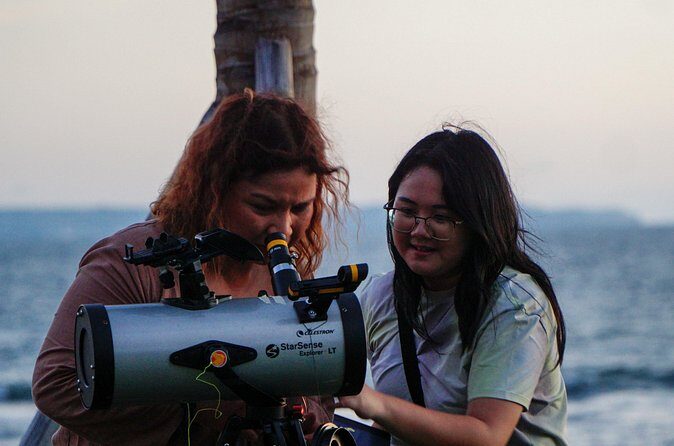
A telescope on a quiet Bali beach makes sense. This private night-sky session blends sky stories with hands-on observing, so you feel like you’re part of the universe, not a spectator.
I especially like the mix of Moon and planet views plus a real Q&A where you can ask anything you’ve been wondering. The only real catch is weather: if skies don’t cooperate, the plan shifts.
What I like most is how beginner-friendly it feels without being watered down. You get guided looks at Moon craters and (weather permitting) Saturn’s rings, and it’s explained in a way that actually sticks.
I also love that you get more than looking. You learn to use the gear yourself, sip complimentary coffee, and you leave with a starmap, pocket guide, and surprises—but clear skies are what make the whole thing shine.
In This Review
- Key highlights
- Why Private Stargazing on Bali Works Better Than a Group Bus Ride
- The 6:30 pm Beach Setup at Munggu Beach Sea
- Warm Coffee and a Smart Flow Into the Night Sky
- What You’ll See: Moon Craters, Saturn’s Rings, Jupiter’s Moons
- Telescopes, Binoculars, and a Spotting Scope: Gear You Actually Use
- Astronomy Stories and Q&A: When the Science Feels Human
- The Photography Session and Take-Home Starmap
- Village Support: Your Booking Helps More Than Your Memories
- Price and Value for Up to Five People
- Weather and Visibility: The One Thing You Can’t Control
- Who This Tour Is Best For
- Should You Book AstroBali Stargazing Under the Bali Skies?
- FAQ
- What time does the stargazing session start?
- How long is the experience?
- Where is the meeting point?
- Is this a private tour?
- How many people is the tour for?
- What’s included in the price?
- Do I need any astronomy knowledge?
- What happens if the weather is bad?
- Do I get a ticket on my phone?
- What is the cancellation policy?
Key highlights
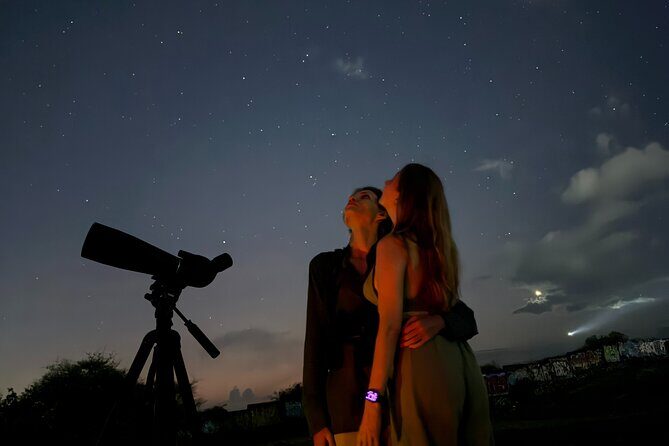
- Private, cozy session for up to 5 people, so it feels personal, not rushed
- Hands-on telescope training (plus binoculars and a spotting scope)
- Warm coffee under the stars, with astronomy stories to go with it
- Astrophotography included, with about 20 minutes of photography time
- Village support built in, with proceeds supporting local community efforts
Why Private Stargazing on Bali Works Better Than a Group Bus Ride
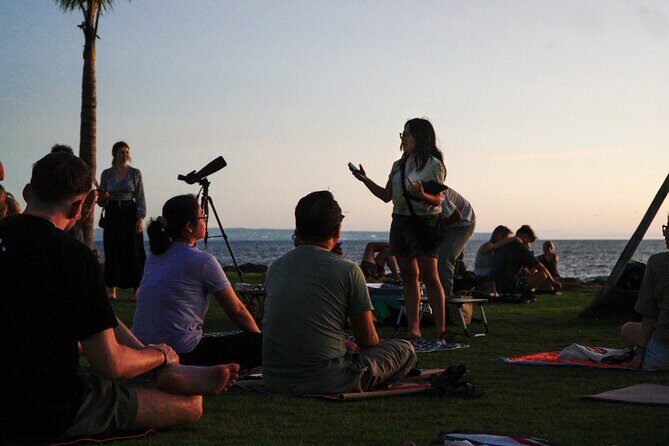
Bali nights can be magical, but mass tours often feel like everyone takes turns for five minutes. This experience is different because it stays private and cozy, designed around your group’s pace. That matters when you’re trying to spot faint objects like Saturn’s rings or the glow around the Moon.
I also like how the tour balances two things most stargazing trips separate: the stories and the tech. You’re not just given facts; you’re encouraged to ask questions and get answers that match what you’re seeing through the lenses. If you’ve ever wondered why the sky looks different from place to place, this kind of guidance helps it click.
One more plus: it’s set up for beginners. You don’t need to know constellations already, and you’re taught how to use the equipment as you go. The vibe is “watch, try, learn,” not “stand back and hope you get lucky.”
If you're still narrowing it down, here are other tours in Kuta we've reviewed.


The 6:30 pm Beach Setup at Munggu Beach Sea
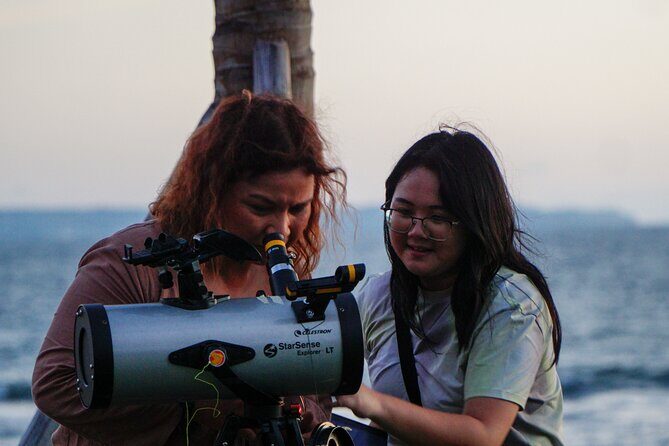
You meet at Munggu Beach Sea, Bali, and the session starts at 6:30 pm. The timing is smart because it gives you enough darkness for real sky viewing without having to stay out past the late-night wall.
The tour ends back at the meeting point, so you don’t need to plan extra transport afterward. And because it’s based at a peaceful beach setting, the whole night feels calm from the start—quiet enough that you can actually focus on the sky instead of fighting a crowd.
If you’re picky about comfort, plan to dress for a night that can feel cooler once you’re standing still. The experience is relaxed, but stargazing asks you to keep your attention steady for a while.
Warm Coffee and a Smart Flow Into the Night Sky

This tour doesn’t start with “Okay, look up.” It starts with a comfortable rhythm that eases you into darkness and focus.
You’ll get a complimentary coffee brewing experience under the stars, which does more than keep you warm. It gives your group a shared moment to settle in, then the guides shift from atmosphere into instruction. That makes the education feel natural instead of lecture-y.
Then comes the sky tour: you’ll go constellation-style, with stops built around what’s visible and clear that night. Since the itinerary is weather-dependent, you’re not locked into a single script. You’re guided toward the highlights you can actually see.
In the reviews, people consistently mention how friendly the team is, and they call out hosts by name—Gabs and Donny show up in the feedback as especially helpful. That matters because good stargazing guides don’t just point; they help you operate what you’re looking through.
What You’ll See: Moon Craters, Saturn’s Rings, Jupiter’s Moons
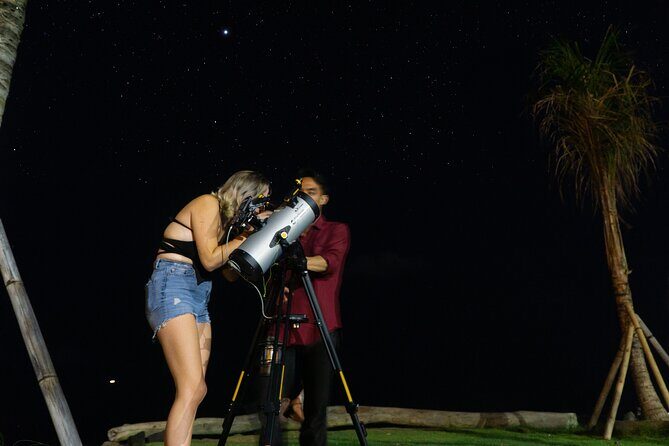
The “big targets” are what most people hope for when they book a Bali stargazing night. This experience specifically aims you at the Moon’s craters and Saturn’s rings, plus Jupiter’s moons when conditions allow.
Here’s why that’s valuable. The Moon is bright, so it teaches you how to use the telescope without you feeling totally helpless. Once you understand how focus and framing work, it becomes easier to appreciate the more delicate details—where objects are dimmer and your eyes need time to adjust.
Saturn’s rings are the headline for many people, and seeing them through a telescope is different from any photo. You’re not relying on an Instagram image; you’re building the experience with your own eyes, step-by-step. And when Jupiter comes into view, the moons give you a satisfying “aha” moment: you’re not just staring at a planet; you’re watching a system.
Weather controls what you’ll get. If the sky is cloudy or too hazy, you might not see everything on the list. But that’s also why the guides can adapt and why the session is set up to keep you learning even if the heavens change the plan.
Telescopes, Binoculars, and a Spotting Scope: Gear You Actually Use
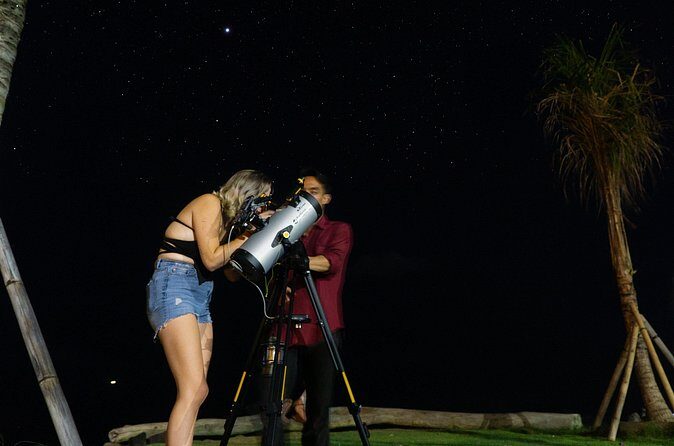
A lot of stargazing tours put you at the mercy of whoever has time at the eyepiece. This one gives you hands-on experience using multiple tools: high-quality telescopes, binoculars, and a spotting scope. That alone can make a huge difference in how much you remember.
In practice, it means you get multiple ways of seeing the sky. Binoculars help you build a “wide view” map of what’s where. A spotting scope bridges the gap between simple viewing and sharper magnification. Then you get to the telescopes when it’s time for the real detail.
Even better, the tour includes an astrophotography camera (a smart astrophotography camera). So you’re not only looking visually; you’re learning how the technology fits into the viewing. That’s a fun angle if you like photos, but it also helps you understand what cameras can capture that the eye can’t always hold.
And because the atmosphere stays beginner-friendly, you don’t have to feel embarrassed asking basic questions. You’re guided so you can walk away knowing how to operate a telescope rather than just being shown one.




Astronomy Stories and Q&A: When the Science Feels Human
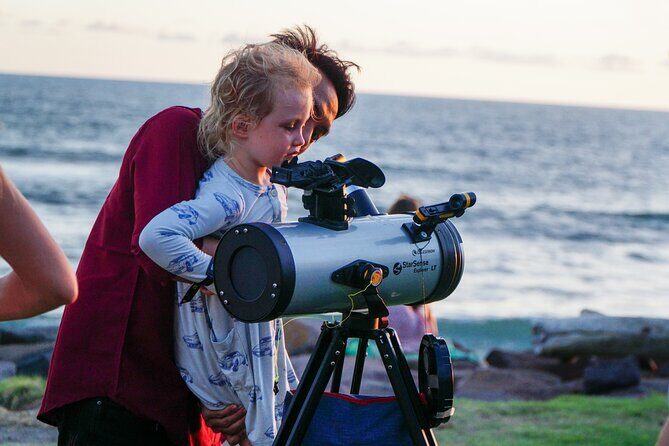
A standout part of this experience is how the guides connect what you see to why it matters. You’ll hear astronomy facts and sky stories as you scan the sky, and you can ask questions throughout.
This is where the “heart and science” approach shows. When someone explains what you’re seeing right now—like what Saturn’s rings are and why the Moon looks the way it does—it changes the night from pretty to meaningful. You stop thinking of stars as decorations and start thinking of them as objects with behavior and history.
The feedback also points to the team being passionate about sharing what they know and answering questions without making it feel like school. That tone helps a lot. If you’re someone who loves to ask why, you’ll probably appreciate that the guides invite it.
The Photography Session and Take-Home Starmap
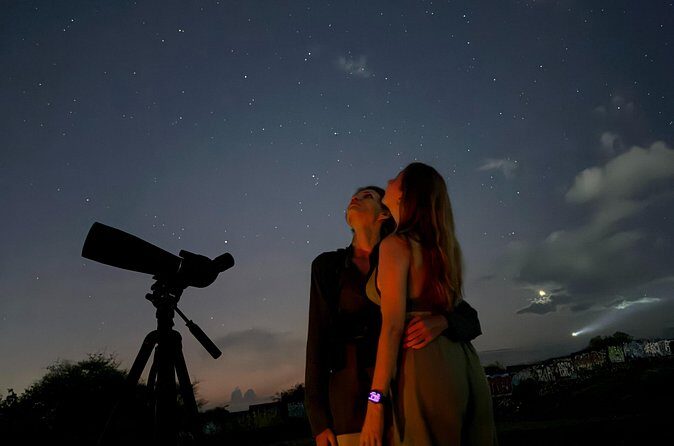
You’ll get photography & documentation for 20 minutes during the session. For many people, this is what helps the experience last past the night itself. You’ll have a tangible record of the sky highlights you saw.
Then there are the take-home extras. You receive a starmap + an astronomy pocket guide, plus surprise goodies. That combination is practical. The starmap helps you remember where things were in the sky, and the pocket guide gives you a way to keep going after Bali, even if you’re back in an area with less darkness.
If you’re the type who likes collecting memories but also wants them to have context, these items feel like good value. You’re not leaving with just a photo dump; you’re leaving with a toolset.
Village Support: Your Booking Helps More Than Your Memories
This tour includes a community impact component. The overview notes proceeds support the local village of Seseh, while the included details say proceeds support Munggu Village.
Either way, the key point for you is that part of what you pay isn’t only going into the experience. It’s meant to support local village efforts. If community contribution matters to you in Bali, this is a nice way to align your fun with something positive.
Price and Value for Up to Five People
At $191.49 per group (up to 5), the price isn’t “cheap,” but it’s often good value for what you actually get: private guidance, quality observing gear, coffee, and a structured learning experience.
Think of it like this: you’re paying for a small group night where someone teaches you how to use the equipment and helps you make the most of the conditions. If you split the cost with a few friends or family members, it can feel much more reasonable than per-person mass tours.
You also get included extras that add cost in normal tour-land: a starmap and pocket guide, surprise goodies, and about 20 minutes of photography documentation. For a couple, it may still feel like a splurge. For a group of three to five, it often starts to feel like an easy yes.
One caution: it’s booked on average 24 days in advance, so if you’re traveling in a busy season, don’t wait until the last minute.
Weather and Visibility: The One Thing You Can’t Control
This experience requires good weather. That’s the honest part of stargazing. A perfect telescope won’t help if clouds or haze swallow the sky.
The good news is that the tour is built to adapt. Even if the “planned” targets shift, you still get a guided session that aims to show you what’s available. If it’s fully canceled due to poor weather, you’re offered a different date or a full refund.
My advice: keep this night flexible in your Bali schedule if you can. Try not to stack it with other rigid plans late in the evening. When the sky is clear, this kind of tour gets your attention fast.
Who This Tour Is Best For
You’ll love this if you want stargazing that feels personal and educational. It’s ideal for:
- Couples and small groups who want a private night rather than a crowded show
- Beginners who want the “how” of telescope use, not just a brief look
- People who like Q&A and learning through real-time observing
- Anyone who wants to combine stargazing with a comfortable beach vibe and a coffee moment
You might think twice if you’re someone who wants a purely passive experience. This tour is friendly and calm, but you’ll be actively learning and using gear. That’s the point, yet it’s still not a sit-and-do-nothing format.
Should You Book AstroBali Stargazing Under the Bali Skies?
If you want a stargazing night that feels like a conversation with the sky, this is worth booking. The biggest wins for me are the hands-on gear time, the guided focus on Moon and Saturn (weather permitting), and the way the team keeps things beginner-friendly while still being genuinely excited about astronomy.
Book it if you can be flexible with weather, and if you’re traveling with up to four others so you can share the group price. Skip it if you need a guaranteed lineup of celestial targets no matter what—because the sky is in charge.
If you’re in Bali and you’re tired of the same old night options, this is the kind of experience that leaves your head and your camera full, and your brain quietly humming for days.
FAQ
What time does the stargazing session start?
The start time is 6:30 pm.
How long is the experience?
It runs about 2 hours 30 minutes.
Where is the meeting point?
You’ll meet at Munggu Beach Sea, Bali, Indonesia.
Is this a private tour?
Yes. It’s private, and only your group participates.
How many people is the tour for?
The group size is up to 5 people.
What’s included in the price?
It includes telescopes, binoculars, a smart astrophotography camera, a spotting scope, coffee brewing under the stars, a starmap and astronomy pocket guide with surprise goodies, and photography/documentation for 20 minutes. A portion of proceeds supports local village efforts.
Do I need any astronomy knowledge?
No prior knowledge is needed. It’s beginner-friendly.
What happens if the weather is bad?
The experience requires good weather. If it’s canceled due to poor weather, you’ll be offered a different date or a full refund.
Do I get a ticket on my phone?
Yes. You’ll receive a mobile ticket.
What is the cancellation policy?
You can cancel for a full refund up to 24 hours before the experience’s start time. If you cancel less than 24 hours before, the amount paid is not refunded. Confirmation is subject to availability, and you should receive confirmation within 48 hours of booking.