REVIEW · KUTA
Sanur Village E-bike Tour: Family-Friendly Adventure
Book on Viator →Operated by Green Bikes Bali · Bookable on Viator
This Sanur e-bike tour turns a simple beach break into a day with real neighborhood rhythm. You’ll ride past mangroves and rice fields on the quieter side of town, then end with a Balinese market stop and an easy glide to the beach. For me, the value is the way it connects countryside + culture + conservation in one smooth 2.5-hour loop.
The big thing to know is that this is not a sit-and-spectate tour. You’ll need cycling comfort and you should expect some busy road moments as the guide keeps the group moving safely.
In This Review
- Key points before you go
- Sanur Village on Two Wheels: the real reason to pick this tour
- Getting started in central Sanur (and why the timing matters)
- The e-bike ride through mangroves and rice fields
- A traditional Balinese market stop you can actually use
- Turtle conservation on the beach: small visit, serious purpose
- Beach lunch on Indonesian time
- Price and value: what $46.48 buys you in real terms
- Guide handling in traffic: the difference between fun and stressful
- Who this tour suits best (and who should think twice)
- Should you book this Sanur Village E-Bike Tour?
- FAQ
- How long is the Sanur Village e-bike tour?
- Where does the tour start and end?
- What time does the tour start?
- What does the tour include?
- Do I need a certain fitness level or biking ability?
- Is there a weather backup if it rains?
Key points before you go
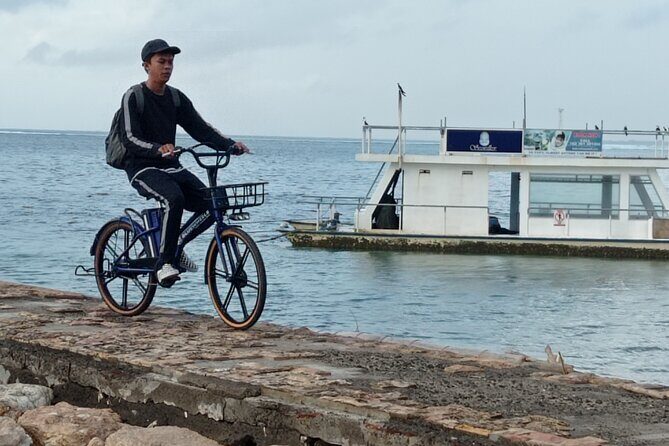
- Small group (max 7): more attention, smoother pacing, less waiting around.
- Mangroves + rice fields: you get away from the main tourist strip.
- Traditional Balinese market stop: fresh produce and local crafts, plus everyday people-watching.
- Beach turtle conservation visit: you’ll see turtles that are sick or wounded and hear how they’re cared for.
- Beach lunch: Indonesian food served as the payoff after riding.
Sanur Village on Two Wheels: the real reason to pick this tour
Sanur is the kind of place where it’s easy to stay stuck in a routine. You walk the promenade, you grab a coffee, you call it a day. This tour helps you break out of that loop without turning your vacation into an all-day endurance test.
What I like most is that the route feels built for seeing the in-between places. The mangrove areas and rice fields aren’t just scenic background. They’re a chance to understand how Sanur functions when you’re not standing at the busiest photo spots. Then you shift to human-scale culture at a traditional Balinese market, where you can browse produce and crafts like locals do.
The other strong point is the conservation stop. The beach visit to a turtle conservation program isn’t presented as a random roadside attraction. It’s described around the care of sick and wounded turtles, which makes the visit feel purposeful, not just decorative.
One caution: this is still a cycling experience. Even if you’re on an e-bike, you’ll be actively riding and navigating through parts of Sanur with real traffic. If you’re nervous on a bike, or if your balance is shaky, plan on going slow and staying alert.
If you're still narrowing it down, here are other tours in Kuta we've reviewed.



Getting started in central Sanur (and why the timing matters)
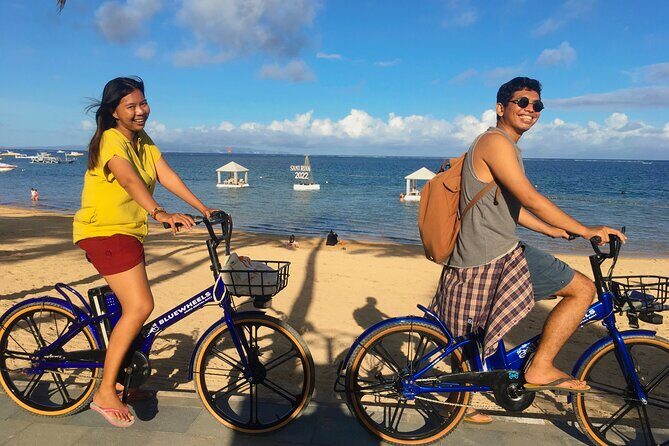
The tour begins and ends in the center of Sanur, with the start meeting point listed at 77W5+7G5, Jl. Bet Ngandang II, Sanur, Denpasar Selatan. You’ll start at 9:00 am and ride for about 2 hours 30 minutes.
That morning start matters more than you might expect. Early hours in Bali tend to feel cooler and more manageable for riding. It also helps with the flow of local roads and beach areas, which can get busy later. So even though this is a short tour, it’s timed to keep the ride comfortable.
It’s also a group setup that supports families, within the limits. The tour notes that most travelers can participate, with practical boundaries: max weight 110 kg and min height 150 cm. If you’re traveling with kids, the height rule is the first hurdle to check.
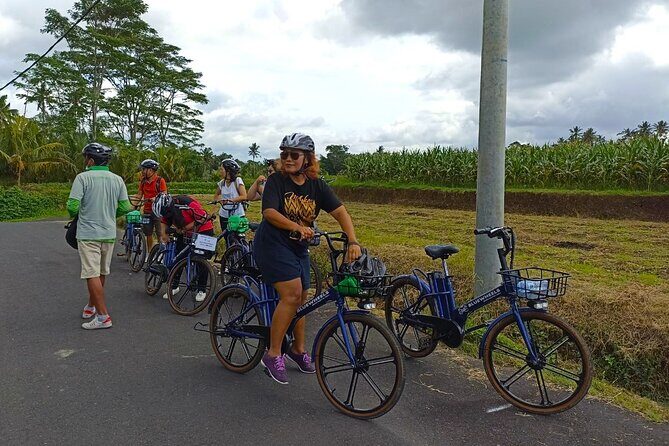
Finally, you’re not dealing with a huge herd of people. The tour caps at 7 travelers, which usually translates to fewer stops, less crowding at attractions, and more ability for the guide to manage pace and safety.
The e-bike ride through mangroves and rice fields
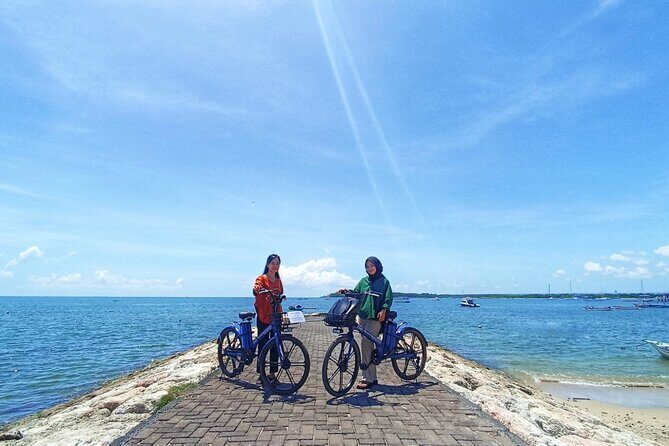
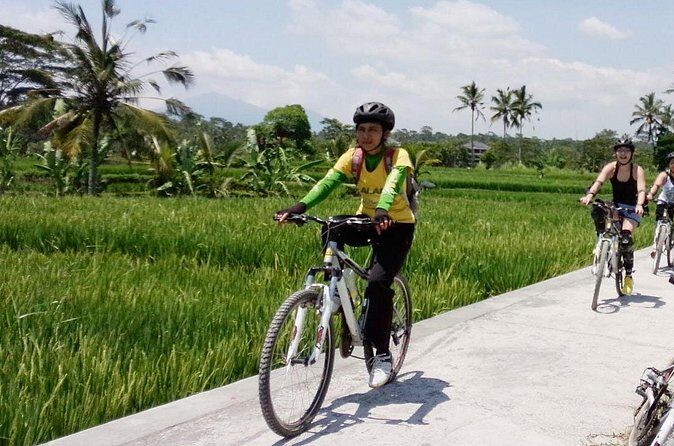
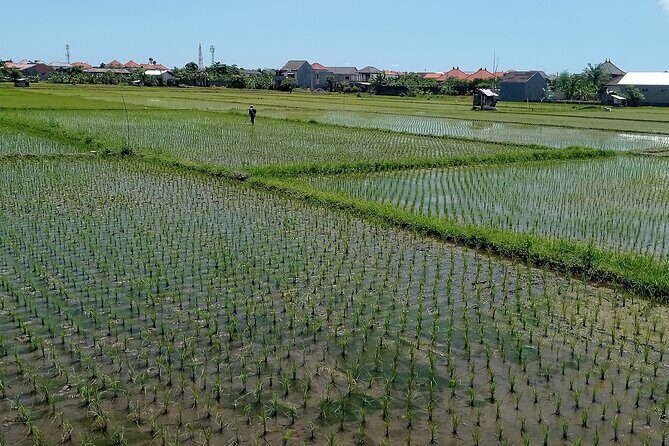
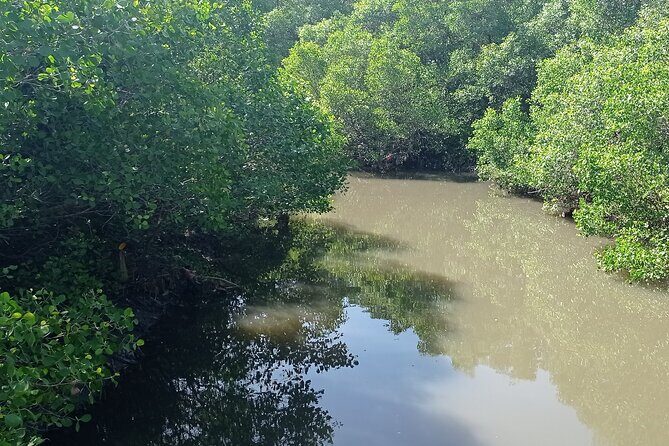
The heart of the experience is the first stretch beyond the main tourist circuit. You’ll start with a walk through mangroves and then head toward serene rice fields on the quieter side of the village.
Why this works so well: mangroves and rice landscapes naturally slow down your senses. You’re no longer just moving along buildings or beach bars. Instead, you’re seeing the shape of the land—vegetation, water edges, and the patterns that come with farming life. Even if you don’t consider yourself a nature person, it’s the kind of scenery that makes you feel like you’ve left the usual trail.
From a practical standpoint, this section also helps you “wake up” into the ride. You get time on the bike before you hit the more complex parts of town. One review mentioned that the route isn’t hilly at all, and that the e-bike is basically an easy assist even if you choose to pedal. That’s reassuring if you’re curious but not confident about long climbs.
Still, don’t ignore the obvious: you’re biking. Keep your attention up, especially around turns and intersections. Even when the land is calm, the road network around it can bring in cars and scooters quickly.
A traditional Balinese market stop you can actually use
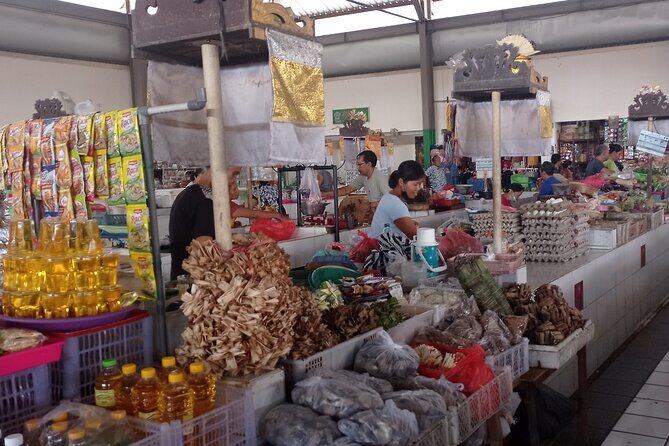
After the countryside stretch, the tour shifts to a traditional Balinese market. The focus here is not a staged show. It’s a browsing-style stop where you can find fresh produce and local crafts.
This is one of those moments that pays off later, because it teaches you what’s normal. You start to notice how markets operate—what people buy, how stalls are arranged, and how everyday life is organized around food and household goods. If you like taking home the feeling of a place, not just a souvenir, this stop is one of the most useful parts of the route.
It’s also the kind of stop that fits different travel styles. If you want to shop, you can. If you want to just look and ask a few questions, you can do that too. And because the group stays small, you’re not stuck watching the same wall of people shuffle forward.
Tip for getting the most out of it: decide beforehand whether you want gifts, snacks, or just curiosity. If you’re mixing this tour with other market wandering later in Bali, you’ll enjoy it more by keeping your budget and your expectations simple.
Turtle conservation on the beach: small visit, serious purpose
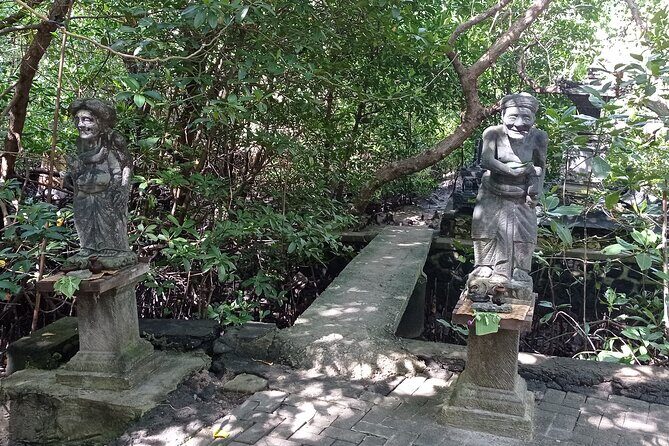
Next you head to the beach area for a turtle conservation in Bali stop. The key point is what you’re there to understand: the conservation program cares for sick and wounded turtles.
Even if you’ve seen turtle-related attractions elsewhere, this one is valuable because it’s framed around rehabilitation and care rather than just entertainment. You’re getting closer to the conservation mission—what it means to nurse turtles back to health and protect them.
Where this stop lands in the day also helps. You’ve already ridden through mangroves, rice fields, and a market. So when you arrive at the beach, it feels like a meaningful change of pace instead of another “thing to do.” It turns the ride into a story: land → people → animals.
There’s one more practical benefit. A conservation visit gives you a chance to slow down and regroup. After the earlier active parts, you’ll probably appreciate having a calmer, more stationary section before lunch.
And yes, it’s still on the beach. So if you’re sensitive to sun, bring your usual Bali protection—hat, water, and something to cover up.






Beach lunch on Indonesian time
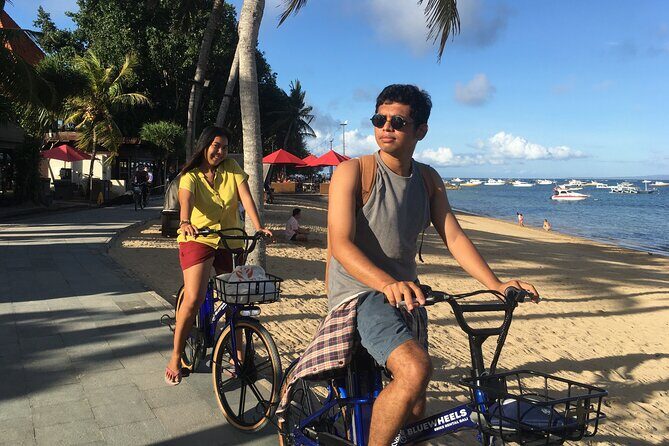
The tour finishes on the beach with an Indonesian lunch served after the turtle conservation stop. The setting matters here. You’re not eating in a generic restaurant space far from the places you just visited. You’re eating where the day naturally ends, which makes the food feel like a reward rather than a scheduled interruption.
Lunch on the sand also helps families. After 2.5 hours of riding, kids (and adults) often want a reset. Sitting, eating, and stretching without rushing is a big part of why this format works.
One review also mentioned the guide making a detour so the group could get ice cream at a very popular spot called Massimo. That’s a good example of the tour feeling flexible when there’s an opportunity that fits the day. It’s not a guarantee that every stop will include extra treats, but it tells you the guides pay attention to small comforts.
Price and value: what $46.48 buys you in real terms
The price is $46.48 per person for about 2 hours 30 minutes, and the tour uses mobile tickets. On paper, that might look like a “nice activity,” not a core part of a Bali trip. In practice, it can be good value if you care about variety without wasting time.
Here’s why the pricing makes sense for what you’re getting:
- You’re using an e-bike for multiple different environments in one block of time: mangroves, rice fields, market streets, and beach.
- The group size is capped at 7, which reduces time lost to overcrowding.
- You get a structured mix of culture and conservation, not just a scenic ride.
- You end with lunch, so you’re not scrambling for food at the end of your ride.
Also, this tour is booked about 26 days in advance on average. That usually indicates demand. If you’re traveling in a busier season or on a popular week, booking earlier tends to help you lock in the day you want.
My practical advice on value: compare this price to what you’d pay for a single attraction + a separate transport plan + lunch. If you’d end up piecing together parts of this anyway, the bundle starts to look more sensible.
Guide handling in traffic: the difference between fun and stressful
A short e-bike tour lives or dies on the guide’s route management. In this area, you’ll encounter traffic when you move between the quieter village sections, the market, and the beach.
The good news is that the tour is run with safety and coordination in mind. One review notes there were traffic situations through busy areas, but the group crossed at lights and never felt unsafe because the guide guided them carefully. That matters because it tells you what to expect: you might not face a constant wall of obstacles, but you should be ready for normal city riding moments.
This also explains why the tour calls out cycling skill is required. It’s not saying you need to be a professional cyclist. It’s saying you need to be comfortable enough to stay balanced, follow directions, and keep moving at the group’s pace.
If you’re the kind of rider who hesitates at intersections, pick a calm mindset for the ride. Don’t fight the guide’s plan. Stay predictable, signal when turning, and let the guide set the rhythm.
Guides named Rica/Rika are mentioned as accommodating and friendly, with one guide even stopping for ice cream at Massimo. That kind of flexibility tends to make the whole day feel less like a conveyor belt and more like a guided neighborhood outing.
Who this tour suits best (and who should think twice)
This one is a strong match if you want a practical, family-friendly way to see Sanur beyond the promenade. It also works well if you like nature but don’t want to sacrifice culture or conservation.
You’ll probably enjoy it most if:
- You’re traveling as a family with riders who meet the 150 cm height requirement
- You want a controlled e-bike experience with a small group
- You like a mix of scenery and local life (rice fields + markets + turtles)
- You prefer a structured half-day plan that still leaves time for the rest of your vacation
You might think twice if:
- You’re uncomfortable on a bike or nervous around traffic crossings
- Your group includes riders who don’t meet the height or weight limits
- You’re hoping for a completely car-free ride (the tour includes moving through town)
A final note: since the route isn’t very hilly, some people who are nervous about hills may find it manageable. The bigger challenge is less about climbing and more about staying attentive during transitions.
Should you book this Sanur Village E-Bike Tour?
Yes, you should book it if you want a small-group ride that connects the quieter side of Sanur (mangroves and rice fields) with everyday culture (a traditional market) and a meaningful conservation stop (turtles cared for when sick or wounded). The beach lunch makes it feel complete, not like you’re just borrowing bikes and leaving hungry.
Skip it or look for another style if you hate the idea of biking through any busy-road moments, or if your group doesn’t meet the basic rider requirements (especially the 150 cm minimum height).
If you can ride comfortably and you’re open to a route that mixes countryside, market life, and beach conservation in one tidy loop, this is the kind of tour that makes Sanur feel like a place you actually visited, not just a coastline you passed through.
FAQ
How long is the Sanur Village e-bike tour?
It runs for about 2 hours 30 minutes.
Where does the tour start and end?
It starts in the center of Sanur at 77W5+7G5, Jl. Bet Ngandang II, and it ends back at the meeting point.
What time does the tour start?
The start time listed is 9:00 am.
What does the tour include?
You’ll go on an eco-friendly e-bike tour, visit a traditional Balinese market, stop at a turtle conservation site on the beach, and the tour finishes with an Indonesian lunch.
Do I need a certain fitness level or biking ability?
Cycling skill is required, and the route is designed for participation by most travelers, but comfort on a bike matters.
Is there a weather backup if it rains?
The experience requires good weather. If it’s canceled due to poor weather, you’ll be offered a different date or a full refund.