REVIEW · JIMBARAN
Private Tour: Half Day Uluwatu Tour
Book on Viator →Operated by Online Bali Driver · Bookable on Viator
Cliff views hit hard at Uluwatu. This private half-day route strings together Uluwatu Temple’s cliffside drama, a beach break around golden hour, and the hypnotic kecak fire dance performance. It’s one of the faster ways to see a top South Bali highlight without turning your day into a long, crowded slog.
I especially like two parts. First, the big-ticket items are handled for you: entrance tickets and bottled water are included, so you can spend your energy on the view and the show. Second, the timing feels right—temple views first, then culture on the beach as the light changes.
One thing to plan for: this experience depends on good weather. If conditions are poor, the schedule can change or the tour can be moved.
In This Review
- Key highlights at a glance
- Cliffside Uluwatu Temple: the view from 250 feet up
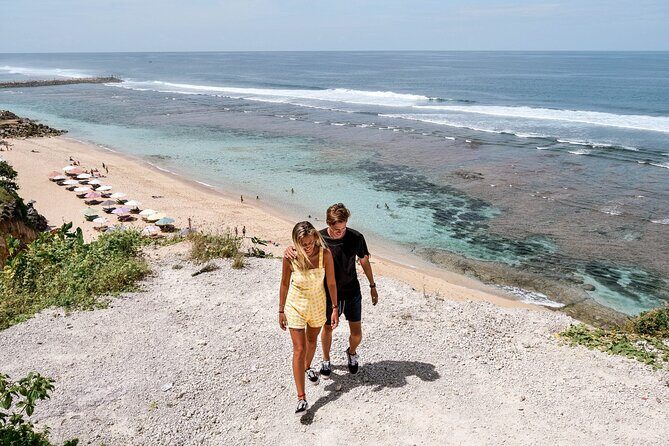
- Padang Padang Beach: the quick coastal breather
- Melasti Ungasan Beach Area: culture in a seaside setting
- Kecak and fire dance: the monkey chant moment at sunset
- Private-guide comfort: pickup, air-conditioning, and a paced schedule
- Price and value for about $47 per person
- Who should book this Uluwatu half-day and who should skip it
- Should you book this Private Half Day Uluwatu Tour?
- FAQ
- How long is the half-day Uluwatu tour?
- Is this tour private?
- Is pickup included?
- What’s included in the tour price?
- What is not included?
- Where do the performances take place?
- What if the weather is bad?
- Is there free admission for young children?
Key highlights at a glance
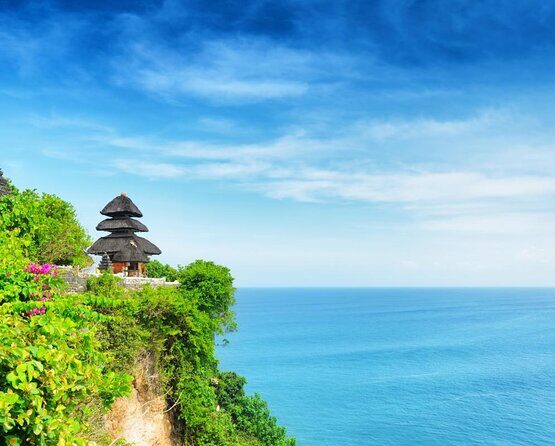
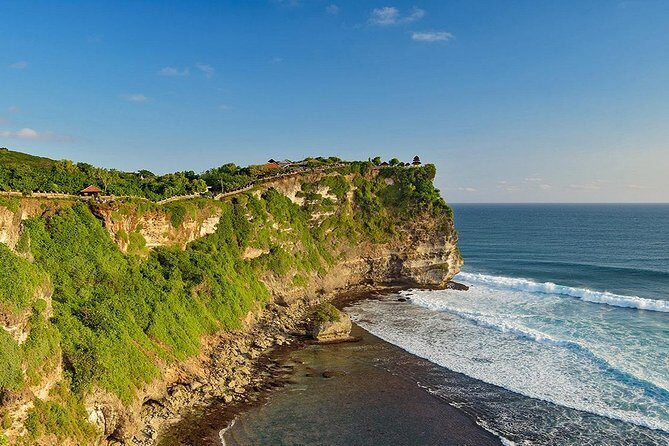
- Cliffside Uluwatu Temple sits about 250 feet above the Indian Ocean waves, with a dramatic plateau setting.
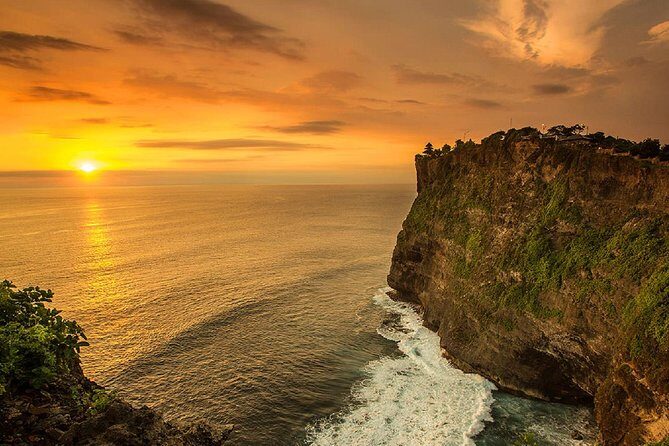
- Sunset is the whole point of the timing, so you’ll build momentum toward that golden-hour moment.
- All entrance tickets and bottled water included, which makes the half-day feel unusually smooth for Bali.
- Padang Padang Beach fits in before the temple, giving you a quick coastal reset.
- Melasti Beach Area cultural performances lead up to the kecak and fire dance.
- Private guide + air-conditioned vehicle pickup means a smaller, more comfortable pace for your group.
Cliffside Uluwatu Temple: the view from 250 feet up
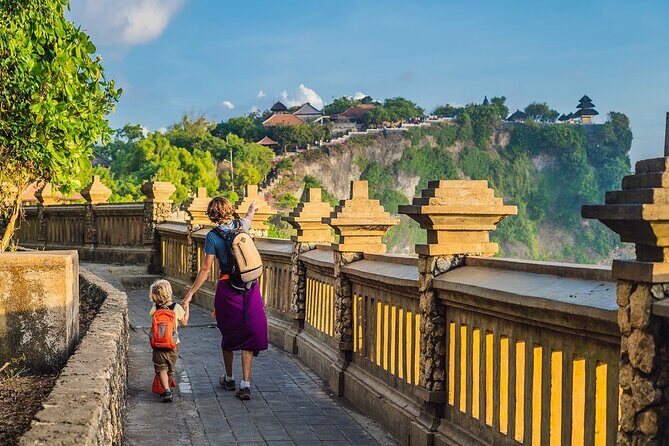
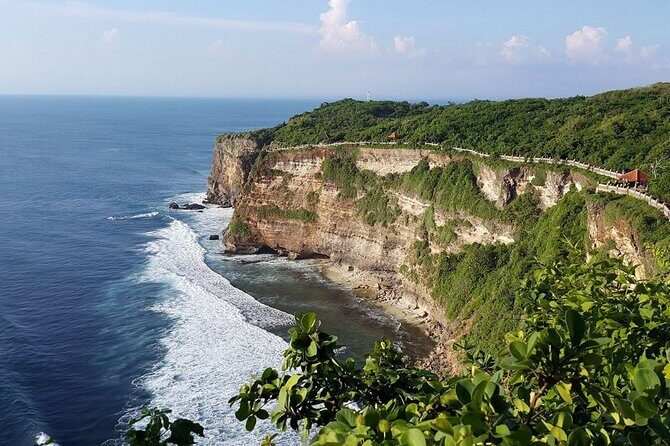
Uluwatu Temple is the kind of place that makes you look up without meaning to. The temple is on a cliff-top plateau, roughly 250 feet above the Indian Ocean. Even if you’ve seen beaches from Bali before, the ocean looks different here—bigger, louder, and framed by stone and greenery.
What I love is the way the site feels both ancient and active. The Uluwatu Temple complex includes archaeological remains stretching back to the 10th century, so you’re not just passing by a pretty viewpoint. You’re walking through layers of history while also taking in how seriously the temple is still used.
A small but meaningful detail: the name Uluwatu comes from Balinese language roots meaning top or tip and stone or rock. That fits what you’re seeing. The whole spot is about edges—wind, height, and that feeling that the world falls away into blue ocean.
Practical note: this is a temple setting, so expect changes in lighting and surfaces as you move around the grounds. If you’re the type who gets bothered by steps or crowds, a private tour helps. Your guide can help you manage when and where you stop so you’re not constantly stuck waiting.
If you're still narrowing it down, here are other tours in Jimbaran we've reviewed.

Padang Padang Beach: the quick coastal breather
Before you head into the temple area, you’ll have time for a stop at Padang Padang Beach. It’s a nice move because it breaks up the day: you go from sea views and open space to the cliff temple experience, instead of going straight from pickup to ceremony.
Even with a short beach stop, Padang Padang gives you something to hold onto visually. You get the shoreline atmosphere before the dramatic height of Uluwatu, and that contrast makes the temple feel even more dramatic when you arrive.
This is also a good moment to slow down. If you’re visiting in peak hours, beach time can feel like your palate cleanser. You’ll likely appreciate the extra breathing room before you settle into the next part of the program.
If you want photos, this is your best chance for beach-style shots without relying on temple lighting. Just keep in mind that sunset timing matters, so you can enjoy the beach without trying to turn it into a full day.
Melasti Ungasan Beach Area: culture in a seaside setting
Next up is the Melasti Beach Area in Ungasan, where the tour builds cultural momentum before the main performance. The program includes a traditional Balinese dance segment here, and it helps set the mood for what comes next.
This stop matters because it’s not just about watching one show. You’re getting a sequence: temple first, then a beach-area performance warm-up, then the kecak and fire dance. That flow makes the day feel like a curated experience rather than a rush between landmarks.
Melasti Beach Area also brings a different kind of energy. Uluwatu is all height and ocean roar; Melasti is more about rhythm and gathering. You can feel how the performance space is designed to pull you in as the evening light develops.
One caution: because this is timed for golden hour, the length of your stops may feel a bit energetic. That’s not bad—just plan mentally for movement. If you prefer a super-slow pace, you’ll still enjoy it more with your private guide handling the schedule.
Kecak and fire dance: the monkey chant moment at sunset
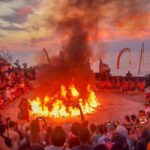
The main cultural highlight is the kecak and fire dance performance at Melasti Beach Area. Kecak is often called the monkey chant dance, and that description is spot on. The group chant energy is the engine of the performance, and it’s exactly why it works so well with an ocean backdrop.
The fire dance component adds a dramatic layer. As daylight fades, the focus shifts from general scenery to movement and sound. The result is that you stop thinking about travel logistics and start paying attention to the performance itself.
The story element is part of why this isn’t just a spectacle. The program references Rayamaya in connection with the performance, which helps give the chant and choreography a narrative backbone. You don’t need to be a Balinese culture expert to feel the story, but it’s nice when the program gives you something to listen for besides the visuals.
This is also where I think the private format pays off most. When you’re not sharing your tour with a large group, your guide can help you position yourself for viewing and keep you on track for the best part of the sunset-to-night transition.
If you’re sensitive to loud sound or long sitting, you might still be fine, but you’ll want to go in knowing it’s a full performance moment, not a quick photo stop.
Private-guide comfort: pickup, air-conditioning, and a paced schedule
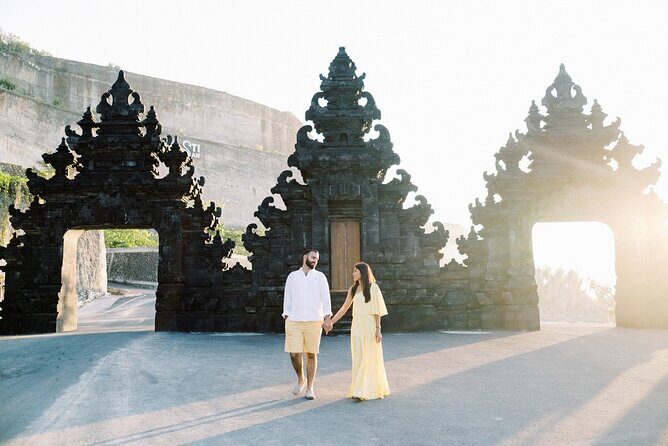
This tour is private, meaning it’s only your group. That changes the whole feel of the half day. Instead of being herded, you get a guide who can adapt to your pace—how long you want at each view, how quickly you move between stops, and what kind of photo rhythm you want.
Transportation is part of the comfort equation too. You’re in an air-conditioned vehicle, and pickup is offered. For Bali, that matters because heat and traffic can drain you fast. With this format, you’re not paying extra attention to the logistics while you’re trying to enjoy Uluwatu.
I also like that the tour includes a tour driver or guide as part of the package. In the best cases, the guide doesn’t just point. They help you understand what you’re seeing and when it’s worth pausing.
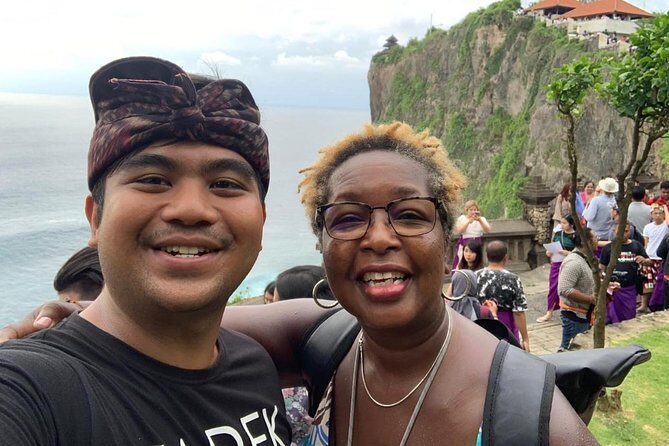
Two guide names stood out in praise: Riko and Suar. Both were described as phenomenal or super friendly and knowledgeable, and that kind of guide energy makes a huge difference at temples and performances. When someone knows how the site works and how the evening schedule should feel, you experience less stress and more wonder.
For you, the takeaway is simple: you get a more human rhythm. You spend less time waiting and more time actually soaking up the moments.



Price and value for about $47 per person
At around $47.37 per person for a private half-day, the value depends on what you’d otherwise pay and how you’d otherwise organize the day yourself.
Here’s what you’re getting that usually costs extra when you DIY:
- entrance tickets are included
- bottled water is included
- you get air-conditioned vehicle transport
- your guide/driver is included
If you’ve ever tried to assemble a similar mini-itinerary on your own, you know how costs and time creep up fast. Even when transportation seems affordable, entrances and scheduling often become the hidden expenses.
The tour duration sits around 4 to 6 hours, which is a sweet spot. It’s long enough to feel like a real outing, but short enough that you’re not losing your entire afternoon to travel. That makes it a strong match for people who want one “wow” cultural anchor without committing to a full day.
You can also benefit from the fact that entrance tickets and water are included. That’s less mental load. You don’t have to calculate how much cash to bring for official sites or worry about buying water at the wrong time.
What’s not included is personal expenses, so if you want extra snacks, drinks beyond bottled water, souvenirs, or a ride extension, budget for that. But for the core experience, the pricing feels designed to cover the main friction points.
Who should book this Uluwatu half-day and who should skip it
I think this tour is ideal if you want South Bali’s top attractions in a short window. It’s great for couples, friends, and anyone who prefers a private pace over joining multiple groups.
It’s also a strong choice if you’re serious about sunset timing. The plan is built around the golden hour, and that makes a difference at cliff temples. You’ll get the temple experience with enough time to transition to the beach performance.
If you hate sitting through performances or you dislike groups chanting loudly, this might be less fun. The kecak show is the centerpiece, so your enjoyment depends on how you feel about that style.
Finally, if you’re traveling with older family members who might struggle with temple terrain, the private guide can still help manage timing, but it’s worth knowing that temple grounds are not flat and frictionless. This isn’t a tour that tries to be a perfect mobility experience; it’s designed around a dramatic cliff setting and a real cultural event.
Should you book this Private Half Day Uluwatu Tour?
Book it if you want a compact, high-impact South Bali day: temple views high above the ocean, a quick Padang Padang coastal stop, and then kecak and fire dance at Melasti as the light fades. The included entrances and water make it feel fair, and the private format keeps the experience from turning into a moving queue.
Don’t book it if your plans are inflexible about weather. Since the experience requires good weather, you’ll want to be comfortable with the possibility of changing dates if conditions are rough. If you’re the type who plans around forecasts and stays flexible, you’ll be fine.
If you want one half-day outing that feels like real Bali culture rather than just sightseeing, this one is a practical choice.
FAQ
How long is the half-day Uluwatu tour?
It runs about 4 to 6 hours.
Is this tour private?
Yes. It’s private, and only your group participates.
Is pickup included?
Pickup is offered.
What’s included in the tour price?
Entrance tickets and bottled water are included, along with an air-conditioned vehicle and a tour driver or guide.
What is not included?
Personal expenses are not included.
Where do the performances take place?
The traditional dance and the kecak and fire dance are seen at the Melasti Beach Area in Ungasan.
What if the weather is bad?
The experience requires good weather. If it’s canceled due to poor weather, you’ll be offered a different date or a full refund.
Is there free admission for young children?
The listing states that Chile below 3 years old is free of charge, and adult price applies to all participants.