REVIEW · KUTA
Private Tour: Bali Temple and Countryside Tour
Book on Viator →Operated by Bali Yowana Tour · Bookable on Viator
A north-Bali day with wings and water temples. This private tour packs temples, countryside views, and rare insects into one smooth route, with a guide to keep the day organized and meaningful. I like that you get the major sights without juggling tickets or transport, and that the stops are connected by Bali’s real-life water story.
Two things I’d put near the top: the Bali Butterfly Park is more than a photo stop, and the UNESCO Jatiluwih rice terraces are the kind of place where you understand why locals treat irrigation like a science and a tradition. One thing to plan around: lunch isn’t included, and depending on where you eat, that can add up mid-day.
In This Review
- Key Highlights You’ll Actually Care About
- Why This Private North-Bali Route Feels Like a Best-Of Day
- Price, Inclusions, and What You’ll Still Pay For
- The Butterfly Park Stop: Research, Breeding, and a Real Forest Walk
- Luhur Batukaru Temple: A Cool Forest Setting and a 7-Tiered Tower
- Jatiluwih Rice Terraces and the Subak Irrigation System
- Ulun Danu Bratan Temple on the Lake: The Iconic Postcard with a Purpose
- Timing, Transport, and Tips to Stay Comfortable (8 to 10 Hours)
- Who This Tour Suits Best—and Who Might Prefer Something Else
- Should You Book Bali Temple and Countryside?
- FAQ
- How long is the Private Bali Temple and Countryside Tour?
- Where does the tour pick up and drop off?
- Is lunch included?
- Are entrance fees included?
- Is this tour private or shared?
- Do I need a printed ticket?
- What age range is this tour suitable for?
Key Highlights You’ll Actually Care About
- Private guide + private vehicle means you can move at a human pace, not a bus pace
- Bali Butterfly Park focuses on research, breeding, and preservation, not just catching butterflies for tourists
- Luhur Batukaru Temple sits at Mt. Batukaru’s foot, with a cool forest feel and a famous 7-tiered tower
- Jatiluwih rice terraces let you learn the subak irrigation system while you look out over bright-green hillsides
- Ulun Danu Bratan Temple gives you the classic lakeside view with a deeper role tied to local water management
Why This Private North-Bali Route Feels Like a Best-Of Day
North Bali can look big on the map, but today doesn’t have to feel like a marathon. This experience is built as a tight loop through four standout places: Bali Butterfly Park, Luhur Batukaru Temple, Jatiluwih rice terraces, and Ulun Danu Bratan Temple. The best part is the way the stops connect to Bali’s themes—nature, water, farming, and worship—so it feels less random than a standard checklist tour.
You also get the benefit of doing it privately. One review specifically praised how the guide, Katut, spoke great English and stayed flexible with timing and site duration. That matters because temple visits and scenic terrace time can easily run long if you rush, and Bali traffic can change the schedule fast. A private plan gives you room to breathe.
Still, you’ll want to accept that this is a full day on the move. Expect around 8 hours, and it can run 8 to 10 hours depending on where you’re picked up and what traffic does.
If you're still narrowing it down, here are other tours in Kuta we've reviewed.


Price, Inclusions, and What You’ll Still Pay For
At $65 per person, you’re paying for a lot of built-in value: hotel pickup and drop-off (select hotels), private transport, and entrance fees for each stop. The tour also includes parking fees and a fuel surcharge. In plain terms, you’re buying convenience plus tickets.
There’s just one major gap: lunch is not included. That’s not unusual, but it’s worth planning for. One review called out that the lunch stop (overlooking the rice fields) was a bit pricey, but the food was good. Translation: budget for lunch as an extra cost, and if you’re picky or have dietary needs, consider carrying snacks to tide you over.
Also note the tour uses a mobile ticket, which is handy. You won’t need to hunt for printed vouchers.
The Butterfly Park Stop: Research, Breeding, and a Real Forest Walk
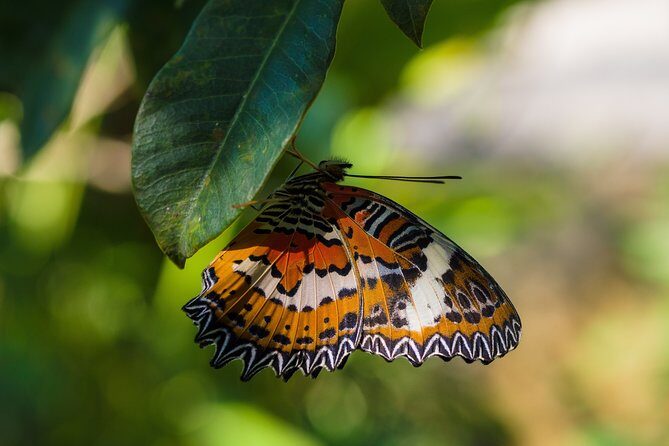
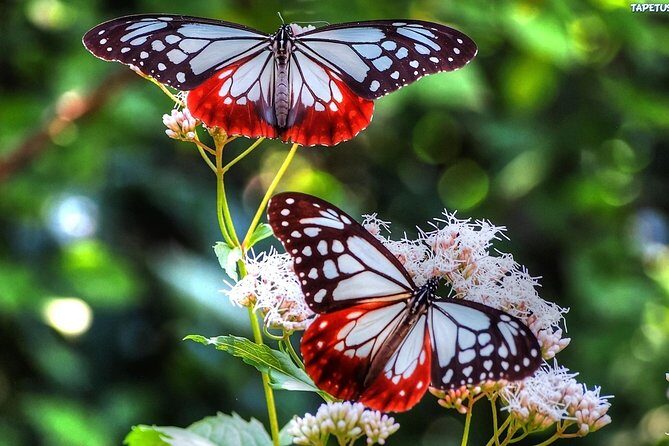
You’ll start (or fit in) Bali Butterfly Park, a site dedicated to research, breeding, and preservation of butterflies and other rare insects. That focus makes a difference. Instead of just walking through cages for quick photos, the park frames butterflies as living creatures tied to conservation and study.
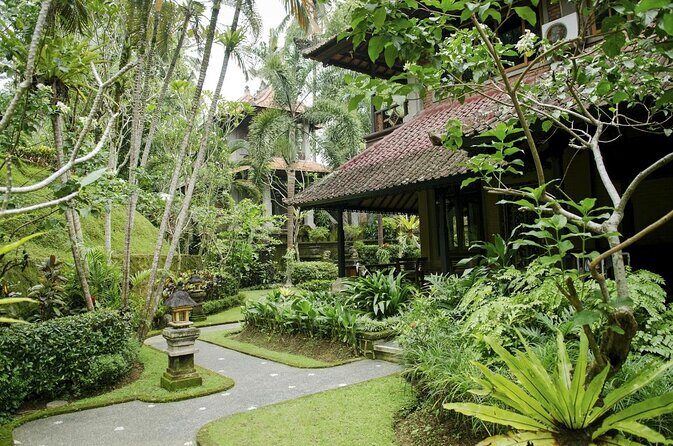
The setting helps too. You’ll walk through a lush green forest with winding paths, described like a fairy-garden style stroll. Expect the experience to feel slow and sensory—quiet corners, fluttering movement, and plenty of chances for close-up viewing.
A practical heads-up: this kind of visit often works best if you can keep your expectations realistic. You’re not going to control where the butterflies land, and you won’t always catch every shot you want. But if you like nature and you enjoy taking your time, it’s a great way to set a calm tone before temples and terraces.
Who will love this stop: families, wildlife fans, and anyone who wants a change of pace from stone temples.
Luhur Batukaru Temple: A Cool Forest Setting and a 7-Tiered Tower
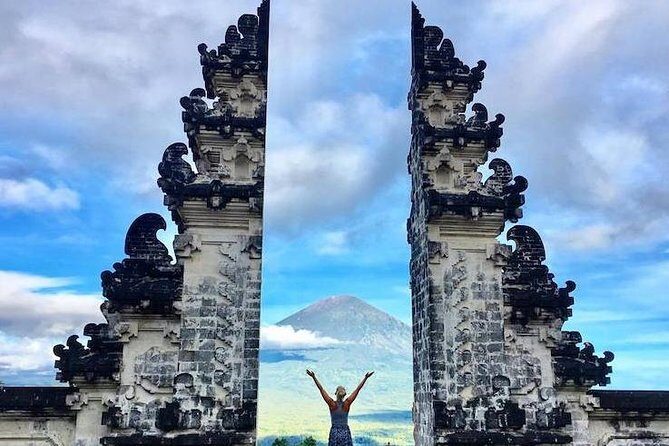
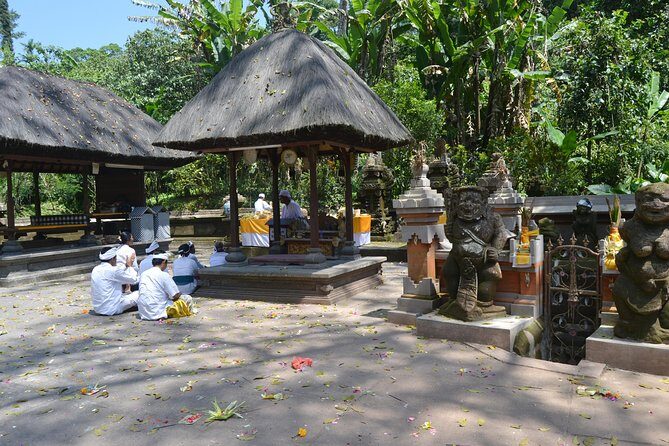
Next up is Luhur Batukaru Temple, one of Bali’s key temples, located at the foot of Mt. Batukaru. The big draw here is the way the temple sits in cool natural forest. Even before you reach the main structures, the air and surroundings help the visit feel more grounded and less like you’re simply ticking a box.
What you’ll see is also specific. Luhur Batukaru features a 7-tiered tower dedicated to Mahadewa, the mountain’s deity. The multi-tier shape matters because it’s part of how Balinese religious architecture expresses hierarchy and meaning—layers that look beautiful in photos, but also hold cultural weight.
One consideration: forest temples often mean uneven ground and a shaded walk. Wear light, comfortable clothing and plan for simple footwear that won’t feel like punishment after a few hours. A small towel and water can help too, especially if the weather shifts.
Why this stop is valuable: it shows Bali’s sacred spaces as part of the environment, not separate from it.
Jatiluwih Rice Terraces and the Subak Irrigation System
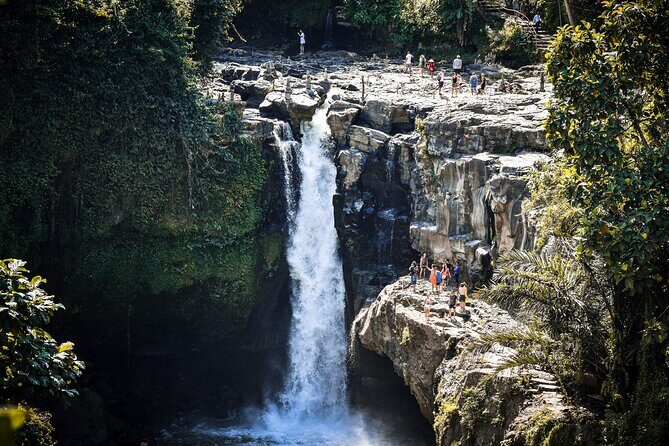
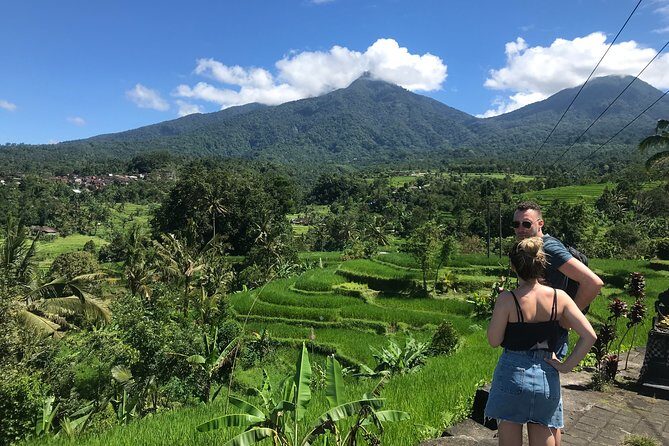
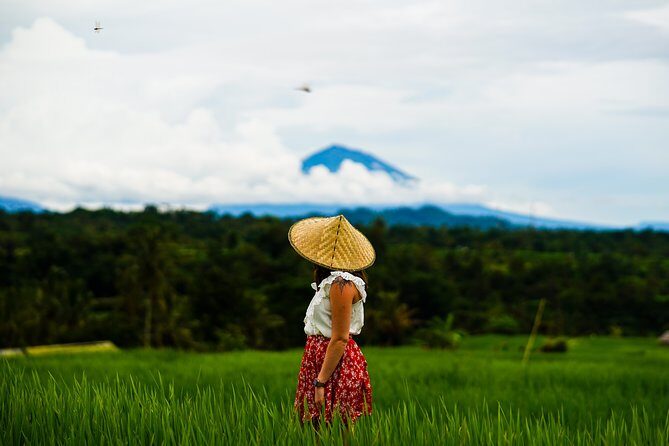
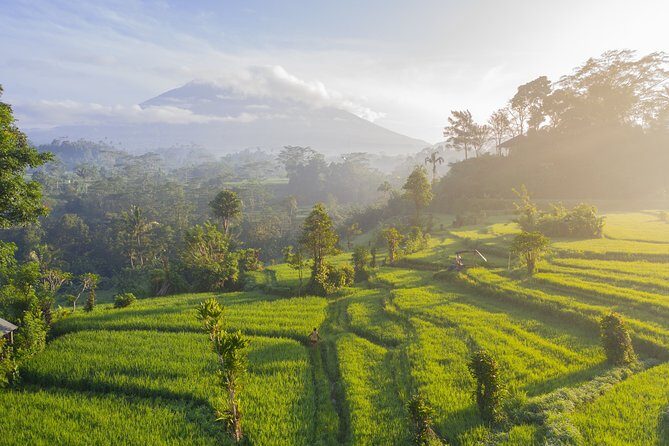
Then you hit Jatiluwih Green Land, the UNESCO-listed rice terraces in upland north Bali. This is where the day starts to feel wide open. You’ll get views over bright-green terraced hillsides, covering a huge area (over 600 hectares, in the tour info). The terraces aren’t just pretty; they’re a working farm system, and that’s what makes them so compelling.
What I like most is that you’re not only looking. You’ll also learn about subak, an intricate irrigation system used by local farmers for centuries to manage water in the fields. That concept is key: water in Bali isn’t just a resource—it’s organized, shared, and tied to community decisions.
On-site, you’ll understand why the landscape looks the way it does. The terraces you see are the result of people working together over long periods of time, shaping water flow so crops can thrive. It’s a smarter way to see Jatiluwih than simply photographing ridgelines.
Lunch often comes after this part of the route, and it’s described as an opportunity to eat overlooking the rice terraces. If you’re sensitive to costs, keep in mind lunch is the one add-on expense, and at least one review found it a bit pricey but still worth it for the view and food.
Pro tip: if you like photos, spend a few minutes choosing your viewing angle before you start snapping. Terrace views change a lot with light and cloud cover.




Ulun Danu Bratan Temple on the Lake: The Iconic Postcard with a Purpose
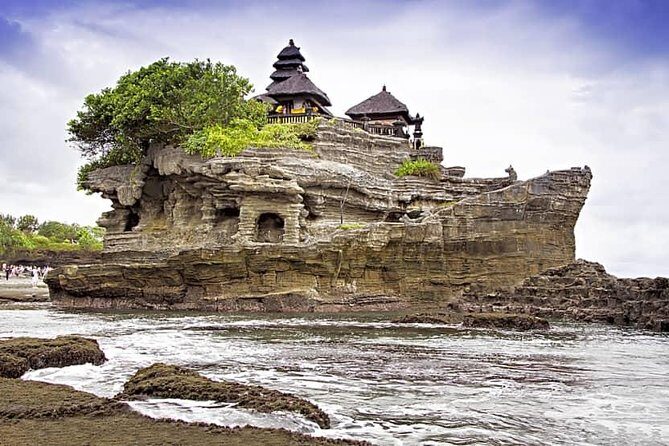
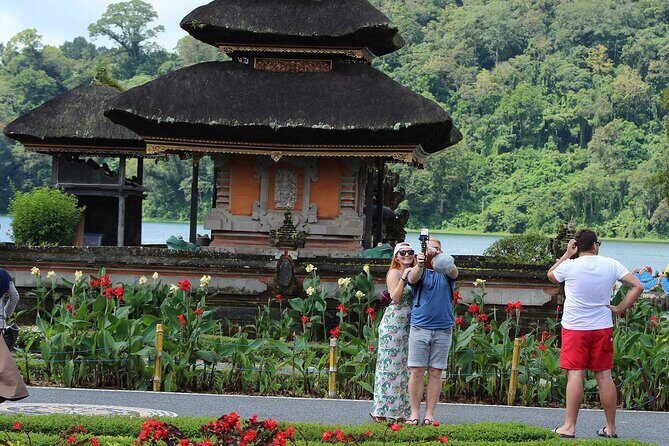
Your day ends at Ulun Danu Bratan Temple, described as one of Bali’s icons. It’s set on the banks of a lake with mountainous highlands as a background, giving you that classic “temple on the water” scene that looks straight out of a postcard.
But the tour framing adds something important: this 16th-century temple isn’t just an aesthetic stop. It plays an important role in the worship and management of local water delivered to nearby farmers. That ties right back to the subak idea from Jatiluwih. You’re seeing the same water theme show up again, just expressed through different parts of Balinese life—agriculture and religion.
If you’re worried it’ll feel too touristy, focus on what you’re actually looking at: the way the temple connects to the lake, and how the entire location feels designed around water presence. Take a slow walk, pause, and let the views do their job.
One practical note: lakeside temple areas can feel cooler than inland spots. Bring a light layer if you run cold.
Timing, Transport, and Tips to Stay Comfortable (8 to 10 Hours)
This tour is listed as 8 hours (approx.), with a real-world range of 8 to 10 hours depending on your hotel location and traffic. That’s a big difference, so don’t plan anything tight right after.
Transportation is by private vehicle, and you can expect hotel pickup and drop-off for select hotels. The tour also operates through Bali Yowana Tour, using a system that includes a driver/guide and all entrance fees based on the itinerary.
What to bring is simple and practical:
- light, comfortable clothing
- sunscreen and sunglasses
- a cap or hat
- water bottle and some snacks
- small towel and camera
- a few spare cash for small purchases
This is a good tour for most people, and it’s listed for ages 5 to 60. Children have a special rate only when sharing with two paying adults.
Who This Tour Suits Best—and Who Might Prefer Something Else
This experience is ideal if you want a balanced day that mixes:
- a nature-and-conservation stop (butterflies),
- a forest temple experience (Luhur Batukaru),
- a big cultural farming site (Jatiluwih with subak),
- and a lakeside classic (Ulun Danu Bratan).
It’s also perfect for couples and small groups who want a private guide to set the pace. Based on review feedback, flexibility is a strong point—guides like Katut were praised for adjusting the duration of visits and keeping the information flowing in clear English.
If you have limited time, or you dislike long drives, this may be less ideal. It’s structured for a full half-day-plus schedule, and the north-Bali route means you’ll spend time in the car.
And if you’re only interested in one type of attraction—just temples, just beach, or just wildlife—you might find the mix either refreshing or slightly scattered. For many people, though, it’s exactly what makes the day feel like a complete Balinese snapshot.
Should You Book Bali Temple and Countryside?
I’d book this tour if you want real value for your time: private transport, entrance fees included, and a route that connects water, worship, and farming across four major stops. The Jatiluwih subak element is especially worth it because it turns a pretty view into something you understand. Add the butterfly park for variety, and Ulun Danu Bratan for that lakeside icon look, and you’ve got a day that feels full without feeling chaotic.
I’d think twice if you hate add-on costs. Since lunch isn’t included, you’ll need to budget for it. And because the day can run closer to 10 hours, be honest about your stamina.
If you’re planning around photography, bring sunscreen and plan to take your time at viewpoints rather than rushing. The best photos usually come when you stop moving and actually look.
FAQ
How long is the Private Bali Temple and Countryside Tour?
The tour is listed as about 8 hours, but it can run around 8 to 10 hours depending on your hotel location and traffic.
Where does the tour pick up and drop off?
Hotel pickup and drop-off are included for select hotels. The exact pickup point depends on where you’re staying.
Is lunch included?
No. Lunch is not included, though the plan includes time for lunch during the day.
Are entrance fees included?
Yes. All entrance fees/admission based on the itinerary are included.
Is this tour private or shared?
This is a private tour/activity, meaning only your group participates.
Do I need a printed ticket?
No. The tour includes a mobile ticket option.
What age range is this tour suitable for?
The tour is for ages 5 to 60. A child rate applies only when sharing with 2 paying adults.