REVIEW · KUTA
Mount Ijen Blue Flame Tour from Bali
Book on Viator →Operated by Java Adventure Trail · Bookable on Viator
Blue fire starts long before sunrise. I like the private setup with an English-speaking guide and included ferry, and I like that you get an Ijen gas mask so you can focus on the crater instead of logistics.
The possible snag is that blue fire can be hard to see if visibility is poor or if you end up sharing viewpoints with other early visitors, so go in with a flexible mindset.
In This Review
- Key things to know before you go
- Night Ferry to Java: why the 4am plan matters
- Price and value: what $220 really buys you
- Air-conditioned pickup and private guide: comfort during the long night
- The Ijen Crater hike: timing, effort, and the blue-fire reality check
- Blue flame: when to expect it
- Sunrise and the acid lake color
- The crater descent decision (and why it’s not automatic)
- Gas mask, sulfur air, and why small gear choices matter
- Jagir Waterfall: the morning reset after the climb
- Getting back to Bali: don’t plan your day like a normal morning
- When to book (and when to avoid surprises)
- Who this tour suits best (and who should think twice)
- Should you book this Mount Ijen Blue Flame Tour from Bali?
- FAQ
- What time does the tour start?
- How do you travel from Bali to Java?
- How long is the hike at Mount Ijen?
- When do I see the blue fire?
- Is the gas mask included?
- Are entrance fees included?
- Is breakfast included?
- What fitness level do I need?
- What if the blue flame is not visible?
- What is the cancellation policy?
- FAQ
- Is this tour private?
- Is there a monthly closure I should know about?
- Are there holiday dates when bookings aren’t accepted?
- What’s included besides the guide and ferry?
Key things to know before you go
- Midnight ferry rhythm: You’re built around the timing that gives you a real shot at seeing the crater before sunrise.
- Gas mask included: The guide provides one, which matters for the sulfur area near the viewpoint.
- Early crater viewing windows: Blue flame is typically checked around 4am, with a strong sunrise and lake color window later.
- You may choose how close to get: Going down for the closest view can be risky; your guide will help you decide.
- Jagir Waterfall break: You get a decompression stop plus a chance to eat on your own schedule.
Night Ferry to Java: why the 4am plan matters
This tour is built for one goal: the famous Ijen blue fire, visible around 4am. That alone is worth paying attention to the timing. If you show up late, you’ll still see the crater and sunrise, but you lose the window when the phenomenon is most likely to be seen.
What I appreciate here is that the plan doesn’t ask you to figure out transport from Bali to Java on your own. You’re working with a route that includes round-trip ferry tickets from Bali to Java. That’s not just convenience. It also reduces the stress factor, especially when you’re doing a late start and an early morning return.
One practical detail: you start at 7:00 pm at Bali Ngurah Rai Airport and the trip style is overnight-to-morning. Even if the total duration is listed as about 5 to 7 hours, you should think of it as an all-night effort. You’ll be moving, hiking, and shifting gears fast. Good preparation helps more than good intentions.
If you're still narrowing it down, here are other tours in Kuta we've reviewed.
Price and value: what $220 really buys you
$220 per person sounds steep until you map it to what’s included. This isn’t only a guide and a hike. The essentials are folded in:
- Round-trip ferry tickets (Bali ↔ Java)
- Entrance fee for Mount Ijen
- Bottled water
- Air-conditioned vehicle
- Private English-speaking guide
- Gas mask in the Ijen area
For many people, DIY versions fail at one point: transport timing, crater admission logistics, or equipment. Here, the tour handles key parts up front, which usually means fewer chances to lose the sunrise window.
Also, this is a private tour, meaning it’s your group only. If you’re traveling with friends or family, private often ends up feeling like better value than you’d expect, because you’re not paying a “small group” penalty.
One more value signal: the experience is highly rated (a 4.9 average from 79 reviews) and most people recommend it. That doesn’t guarantee you’ll see blue fire, but it does suggest the organization and guide quality are doing their job.
Air-conditioned pickup and private guide: comfort during the long night
This is the kind of tour where comfort matters because you’ll be up and moving before most of Bali is awake. The included air-conditioned vehicle helps you reset between travel segments. You’re not just standing around hoping transport shows up.
The guide part is also real value. Two guide names came up strongly in feedback: Hamid and Andre. Different guides, same pattern. You’ll want someone who adjusts to your group pace and energy level. In practice, that means you spend less time feeling behind and more time focused on what you came for.
Since it’s private, your guide can also talk you through the most important choice at Ijen: whether you go down toward the crater for a closer view. That decision changes your experience a lot.
The Ijen Crater hike: timing, effort, and the blue-fire reality check
This is the heart of the day. The trek to the crater area takes about 1 to 2 hours, depending on your fitness and pace. You’ll climb in the dark, so your footing and stamina matter. If you’re someone who gets winded easily, go slow and let the guide set the pace.
Blue flame: when to expect it
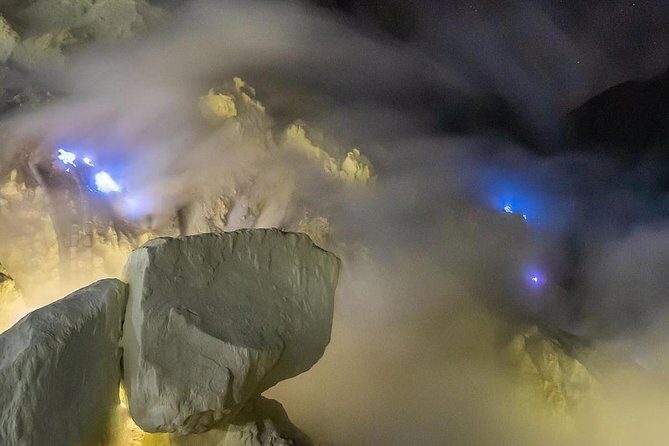
The tour plan centers on seeing the blue fire phenomenon from the crater, typically checked around 4am. The concept is sulfuric gas that looks like blue lava. It’s famous for a reason, but it also depends on natural conditions, and your view can be affected by:
- visibility and weather
- crowding at the viewpoints
- whether you can get to the exact vantage points that work best
A heads-up that the operator notes: there are times when blue fire is temporarily not visible due to natural conditions. That doesn’t mean the crater visit is wasted. It does mean you should treat blue fire as a top priority, not a guarantee.


Sunrise and the acid lake color
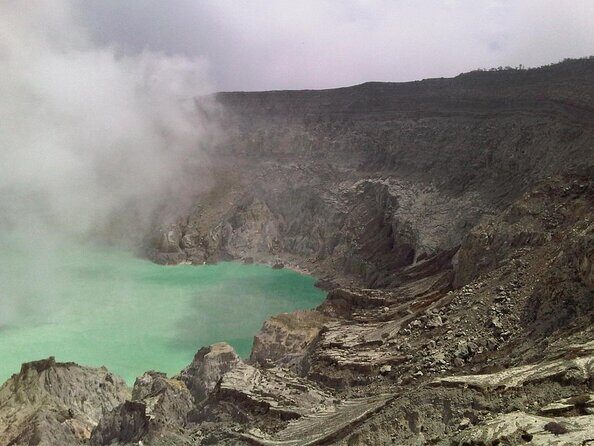
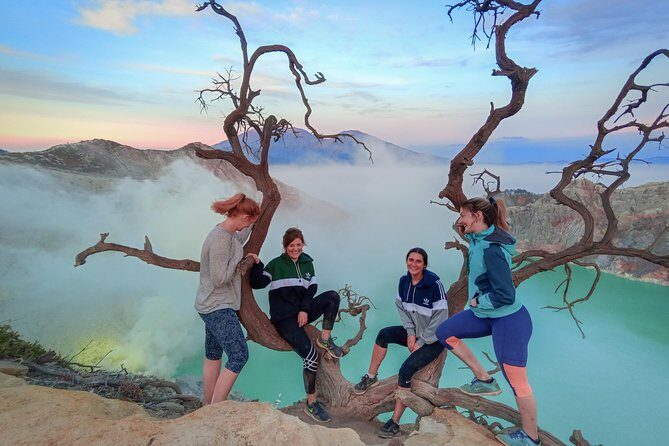
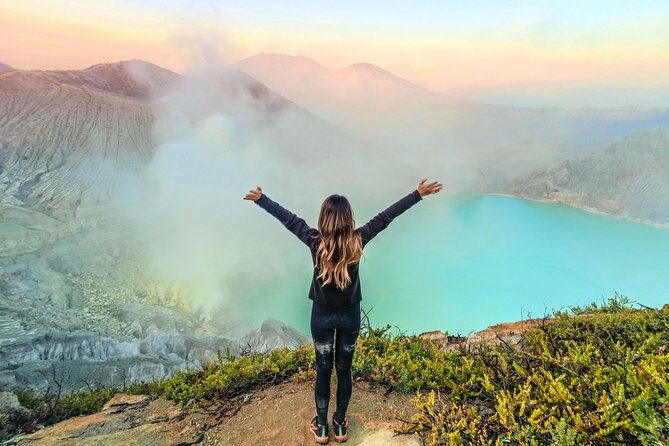
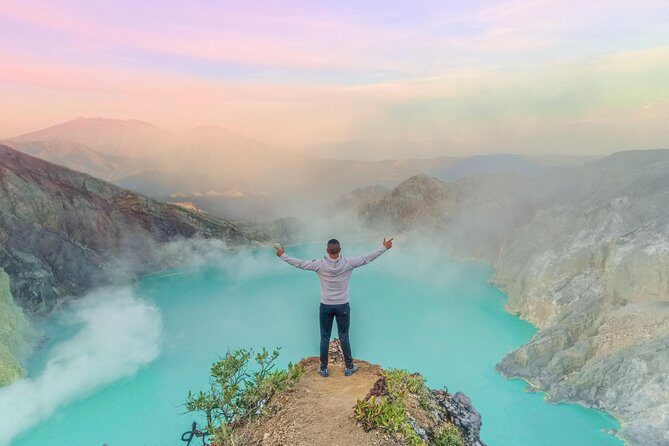
You’ll get a second big visual payoff around 6am: the mountain views and the turquoise color of the acid lake. Even if the flame isn’t cooperating, this lake-and-sunrise combination is a big part of why people remember Ijen.
The crater descent decision (and why it’s not automatic)
To see blue fire closer, you need to go down into the Ijen crater. Your tour may encourage it, but it’s also described as dangerous. If you feel doubt, the tour suggests staying on top and waiting for sunrise instead.
Here’s how I’d think about it as your decision framework:
- If you’re comfortable with steep, challenging ground and you can follow instructions perfectly, descending might be worth it.
- If you’re unsure about your footing, breathing, or comfort around hazardous areas, staying up can still give you the sunrise and crater scene without the extra risk.
Your guide is the one who should help you judge what’s smart for your comfort level on the day.
Gas mask, sulfur air, and why small gear choices matter
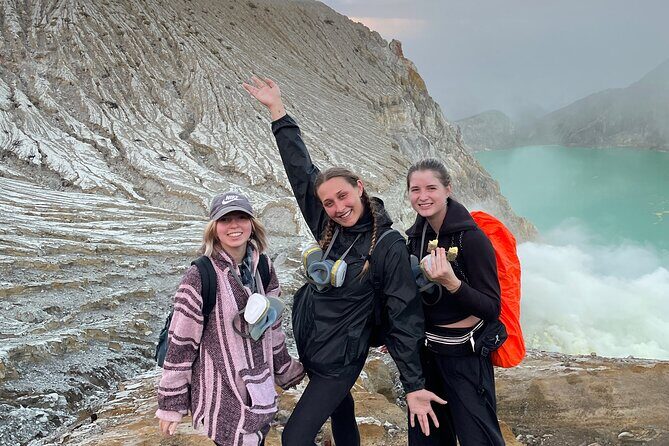
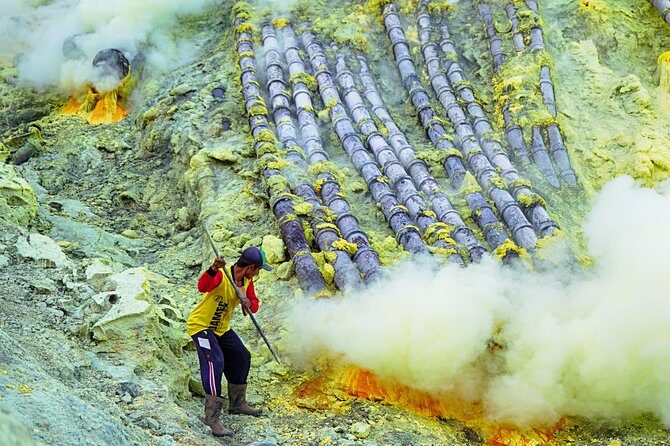
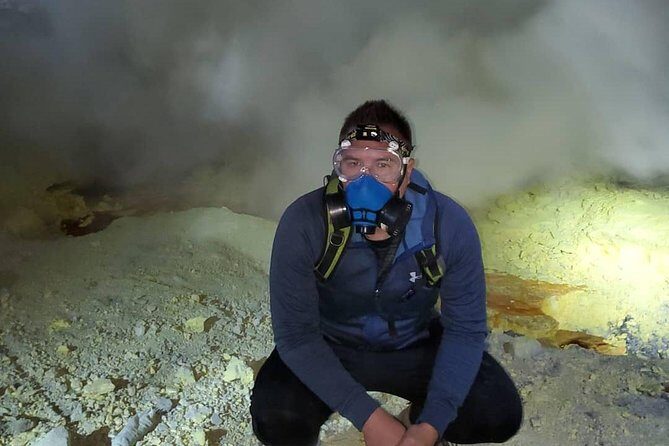
One thing you don’t have to stress about: the tour includes a gas mask and bottled water. That’s a big deal because sulfur conditions near the crater are part of the experience. Having equipment provided keeps you from needing to scramble at the last minute.
Still, you should plan for personal basics that aren’t always automatically included. One review specifically regretted that headlamps weren’t included, requiring a rental. Since the hike and crater timing are early, this is exactly the kind of missing piece that can turn your experience from smooth to annoying.
If you take just one action based on that: bring a headlamp or plan to rent one locally before the hike begins. It’s not about comfort. It’s about safety on uneven, dark terrain.
Jagir Waterfall: the morning reset after the climb
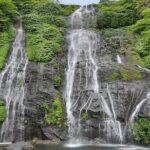
Once the crater portion is done, the itinerary includes a stop at Jagir Waterfall. This is your recovery moment. After hours of night hiking and early viewing, you need a change of scenery and a chance to breathe more normally.
You’ll also stop for breakfast, but breakfast is not included. That’s common on tours like this. It means you can choose what fits your stomach after the climb—important because you may not feel hungry right away, then suddenly feel hungry.
Practical tip: eat like someone who hiked in the dark. Go easy at first. Save the heavy stuff for later in the day.
Getting back to Bali: don’t plan your day like a normal morning
This trip is timed for the early crater check, then returns you to Bali and ends back at the meeting point.
Even if the duration is listed as about 5 to 7 hours, your overall day rhythm will be disrupted. That’s not a complaint. It’s just how Ijen tours work. Plan this as your priority, and treat the rest of the day as recovery time.
If you like to pack your schedule tightly, I’d recommend you don’t. You’ll likely be tired, possibly hungry, and definitely ready for a long rest after the early start.
When to book (and when to avoid surprises)
Two calendar gotchas are worth taking seriously before you commit:
- First Friday closure: Mount Ijen is closed for one day every first Friday of the month.
- Holiday closure: No bookings are accepted from 24th December to 7th January.
Also remember the operator notes about blue fire visibility. Even with great timing, the blue flame can be temporarily not visible due to natural conditions. Your best move is to book with a plan for two kinds of success:
1) blue fire appears and you see it around 4am
2) blue fire is not visible, but you still catch sunrise and the lake views from the crater area
Who this tour suits best (and who should think twice)
This is a strong match if you:
- want a guided, private night-to-morning experience
- can handle a 1 to 2 hour trek at night
- care most about the crater and sunrise timing
- appreciate having equipment included like the gas mask
- prefer an organized route across Bali and Java rather than DIY transport
It might be less ideal if you:
- hate uncertain visibility outcomes (blue fire depends on conditions)
- are uncomfortable with sulfur-area safety rules
- prefer a relaxed schedule with fewer time pressures
And one more honest note from a common theme: blue fire viewing can be crowded. You can still have an amazing time, but it helps to understand that this is a popular phenomenon people chase.
Should you book this Mount Ijen Blue Flame Tour from Bali?
If your dream is to chase the blue flame without building your own logistics puzzle, I’d say this is a sensible booking. You’re paying for the transport structure, guide support, and key inclusions like the gas mask and ferry tickets.
Where I’d pause is if you’re the type who needs perfect conditions to enjoy a trip. Even then, you’ll still get the crater experience, sunrise timing, and the acid lake views. The tour is rated highly for a reason, but the blue fire part is never 100 percent.
My call: book it if Ijen is on your must-do list and you’re comfortable with a night hike and safety choices. If you’re unsure you can manage the trek and early wake-up, save your energy for a different Bali day trip and come back to Ijen when your body is ready.
FAQ
What time does the tour start?
The meeting point is Bali Ngurah Rai Airport in Denpasar, and the start time is 7:00 pm.
How do you travel from Bali to Java?
The tour includes round-trip ferry tickets from Bali to Java.
How long is the hike at Mount Ijen?
The trekking to the crater takes about 1 to 2 hours, depending on your fitness.
When do I see the blue fire?
The blue fire is typically checked from the crater around 4am.
Is the gas mask included?
Yes. A gas mask for the Ijen area is included.
Are entrance fees included?
Yes. Entrance fee for Mount Ijen is included.
Is breakfast included?
No. Breakfast is listed as an own expense during the stop after the waterfall.
What fitness level do I need?
Moderate physical fitness is recommended.
What if the blue flame is not visible?
The operator notes that blue fire can be temporarily not visible due to natural conditions. You should follow the safety guidelines during your visit.
What is the cancellation policy?
You can cancel for a full refund up to 24 hours before the experience start time. If it’s canceled within 24 hours of the start time, the amount paid is not refunded. If poor weather forces cancellation, you’ll be offered another date or a full refund.
FAQ
Is this tour private?
Yes. It’s a private tour/activity, and only your group will participate.
Is there a monthly closure I should know about?
Yes. Every first Friday of the month, Mount Ijen is closed for one day, so you should check your booking date.
Are there holiday dates when bookings aren’t accepted?
Yes. Bookings aren’t accepted from 24th December to 7th January.
What’s included besides the guide and ferry?
Included items are bottled water, air-conditioned vehicle, Mount Ijen entrance fee, private English-speaking guide, and the gas mask.