REVIEW · KUTA
Kuta Beach Bali, 1 on 1 Surfing Lesson Orange Surf Bali
Book on Viator →Operated by Orange Surf School Bali · Bookable on Viator
Kuta Beach and surf lessons are a great combo. This private 2-hour session at Orange Surf School Bali is built for learning fast, with one-on-one coaching from local instructors who stay right there to help you get started. I like the way the lesson begins on shore with real technique, then moves into the water with clear guidance so you’re not just guessing.
Two things I especially like: you get a safety-first briefing before you paddle, and the teaching is personal enough that beginners can often stand on their first lesson because the basics are coached before you go out. One consideration: you should plan for weather and basic physical effort (you’ll be paddling and balancing), and there’s no hotel pickup included.
In This Review
- Key Points to Know Before You Go
- Entering Kuta’s Surf Scene with Local Coaching
- The 2-Hour Lesson Plan That Gets You Up and Moving
- First Stop: Shore Skills on Sand, Not Guesswork
- Then Into the Sea: How the Coaching Works
- What the Safety Briefing Actually Means
- Gear Included: What You Don’t Have to Shop For
- Kuta Beach Conditions: What to Expect Day-of
- Price and Value: Why This Costs What It Costs
- The Private Advantage: How One-on-One Makes You Improve Faster
- Meeting Point Reality: Where to Show Up
- Photos and the Chair Between Rides
- Language Comfort: Japanese Support Adds Confidence
- Who This Surf Lesson Fits Best (And Who Might Want More)
- A Few Practical Tips for Your Best Session
- Should You Book Orange Surf School Bali in Kuta?
- FAQ
- How long is the Orange Surf Bali 1 on 1 lesson?
- What’s included in the lesson price?
- Is hotel pickup and drop-off included?
- Where do I meet for the lesson?
- Is this lesson private?
- How is the surfing lesson structured?
- Do I need moderate physical fitness?
- What happens if the weather is poor?
- Is free cancellation available?
Key Points to Know Before You Go

- True private coaching: you get tailored advice based on your skills and what you actually need to work on
- Shore lesson first: you learn how to stand and balance before you’re in the waves
- Two in-water sessions: a longer break in between keeps you from burning out too early
- Coaches stay with you: instructors help you start in the water, not from the beach
- Gear included: surfboard, rash guard, and zinc are part of the price
- Insurance for emergencies: they specifically call out emergency coverage and safety focus
Entering Kuta’s Surf Scene with Local Coaching
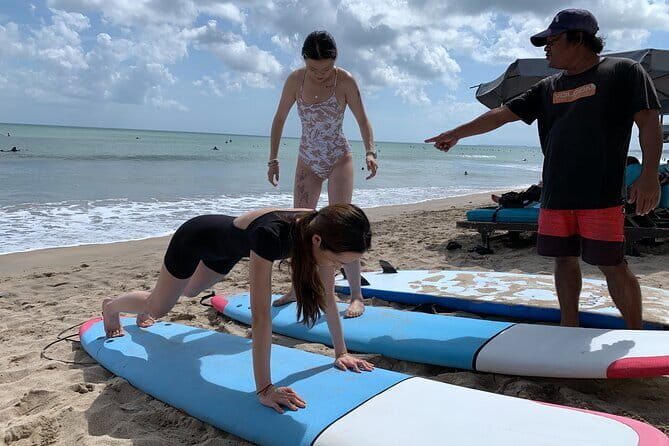
If you’ve ever watched surfers and wondered what you’re supposed to do with your feet, this lesson answers that question. Kuta Beach is busy and energetic, but your experience here is structured: you’re not left to figure it out on your own. The key is the teaching rhythm—learn the motions, then apply them.
I like that the instructors are Kuta-area locals. That matters because they understand how the water behaves there and what beginners usually struggle with. You’ll also hear coaching that feels practical, not lecture-y.
And since this is a one-on-one setup, you’re not competing with a big group for attention. Even if you’re a total first-timer, you can ask for adjustments in real time, which speeds up confidence.
If you're still narrowing it down, here are other tours in Kuta we've reviewed.



The 2-Hour Lesson Plan That Gets You Up and Moving
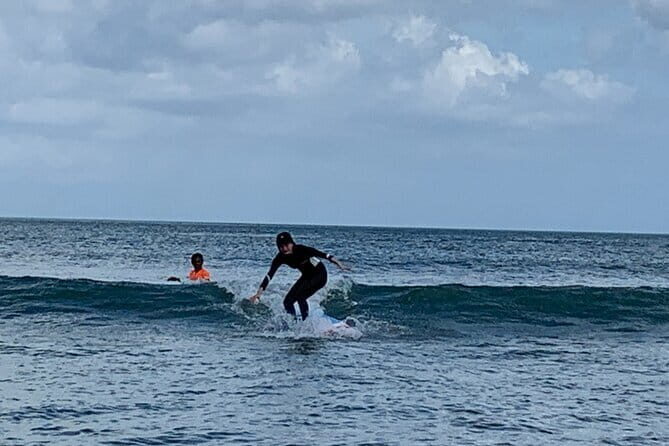
This is a tight, efficient 2-hour session (about). The flow is simple: a safety briefing, instruction on the sand, then two surf sessions in the sea with a break between.
Here’s how the timing typically breaks down:
- Safety briefing: about 15 minutes
- Surf lesson: about 45 minutes
- Break time: about 10–15 minutes
- Surf lesson: about 45 minutes
That break isn’t filler. It gives you a breather between attempts so you can reset your form, catch your breath, and then go again with better focus. With surf, tiring too early can mess with your balance—so the pause helps.
Also, since this is private, you’re more likely to get teaching that matches your level. Beginners get shore-based technique first and then head out. Intermediate riders get extra structure.
First Stop: Shore Skills on Sand, Not Guesswork
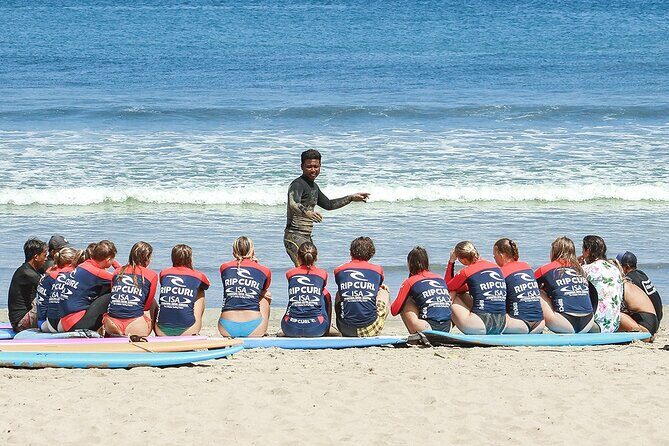
Before you ever paddle, you’ll get coaching for the core basics: standing and balancing on the surfboard. This part is surprisingly important. Most first-timers don’t fail because they’re clumsy; they fail because they’re trying to learn everything at once while already falling in the water.
On shore, the instructor shows you how the board should feel under you and what your body needs to do to stand with control. You get the basic forms and techniques while you’re still on land—so when you step into the sea, your brain already has a map.
If you’re the type who freezes when you’re nervous, this approach helps. You’re building the motion before pressure shows up.
Then Into the Sea: How the Coaching Works

Once you go into the water, the instruction is focused on the moment-to-moment details that matter for staying stable. The goal isn’t just to splash around. It’s to help you start, catch something manageable, and feel what a ride is like.
One reason people rate this so highly is that the coaches don’t throw you in and wave goodbye. They stay in the sea to help you start. That kind of hands-on support makes a real difference when you’re learning timing and positioning.
For beginners, the lesson is designed so you can progress quickly. Many students can stand on their first lesson because the method is staged: theory on land, then action in the water.
For intermediate level and above, they also mention using a board to go to the beach with you. That suggests the instruction is still active and guided, not just a supervision role.
What the Safety Briefing Actually Means

Surfing looks fun—until you’re in the water and realize how easy it is to get off-balance or panic. This school emphasizes safety, and they specifically mention an insurance plan for emergency situations.
Before surfing, you’ll get a briefing (about 15 minutes). While the exact content isn’t listed word-for-word, the structure tells you what’s coming: you’ll be taught enough to handle the session without guessing. Expect guidance tied to basic safe behavior and how to move with the board.
In practical terms, a solid briefing helps you avoid two common beginner problems:
- wasting energy from poor positioning
- moving in a way that makes controlling the board harder
You’ll feel calmer once you know what the instructor wants.






Gear Included: What You Don’t Have to Shop For

I like that the lesson includes the essentials, because surf gear can be a hassle to source while you’re traveling.
Included in the price:
- surfboard
- rash guard
- zinc
- photo
- chair
- guide
That zinc detail is a small thing, but it’s smart. In Bali heat, sunscreen is not optional—you’ll be out in the sun, and your focus should be on learning, not scrambling for supplies.
The rash guard also helps keep you comfortable while you’re learning and getting knocked around. You can show up without bringing a wetsuit or hunting for equipment rental hours.
The chair is also a nice touch. Between sessions, you’ll want a place to sit and reset without turning the break into a logistical puzzle.
Kuta Beach Conditions: What to Expect Day-of
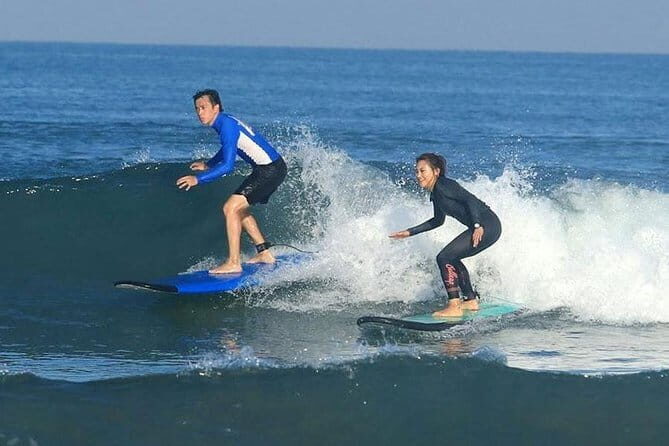
Kuta Beach is known for being active and visually intense—lots of people, lots going on. Your lesson, though, is managed. Still, you should expect that water conditions can affect how the session feels.
Two things to keep in mind:
- the experience depends on good weather
- you’ll need moderate physical fitness, at least enough to paddle, balance, and stay engaged for two teaching blocks
If you’re coming off a long travel day or you’re exhausted, you might feel the effort more than you expect. That doesn’t mean you shouldn’t go—it just means you’ll get the most out of it if you arrive rested and ready.
Also, since this is Kuta, you’re close to public transport. That’s useful because you’re not dealing with complicated remote logistics.
Price and Value: Why This Costs What It Costs
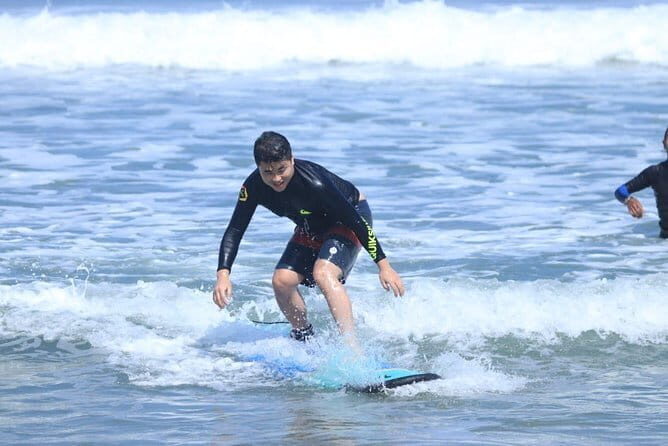
At $18.49 per person, this is priced like a learning experience you can realistically fit into a holiday budget. The real question isn’t just the sticker price—it’s what you’re getting for it.
For the money, you’re buying:
- private coaching (big advantage over group lessons)
- two surf sessions over roughly two hours
- all key gear (board, rash guard, and zinc)
- a photo component
If you’ve ever priced surf lessons elsewhere, you’ll recognize that equipment rentals alone can add up. Here, the core gear is rolled into the experience. That makes the overall value easier to justify.
The only clear cost-side limitation is that hotel pickup/drop-off isn’t included. If you’re far from the meeting point, factor in transport time and cost. But if you’re already in or near Kuta, that’s usually a manageable trade.
The Private Advantage: How One-on-One Makes You Improve Faster
I’m a fan of lessons that are small enough to feel personal. With this one, the biggest benefit is that you can get corrections as they happen.
Surf has a feedback loop. If your stance is slightly wrong, you feel it immediately—then you repeat the same error and get stuck. One-on-one helps because the instructor can identify what to fix quickly, rather than giving general tips to a group.
It also reduces the time you spend waiting. In a class format with many people, one student might struggle while others stand around. Here, attention stays on your progress and the next attempt.
This is especially valuable if you’re:
- a true beginner who needs encouragement and stability
- someone who tried surf once and wants a reset
- an intermediate rider who wants focused improvement
Meeting Point Reality: Where to Show Up
You’ll start at Orange Surf School Bali in Kuta. The meeting point is listed at Orange Surf School Bali, Kuta, Badung Regency, Bali 80361, Indonesia. The activity ends back at that same meeting location.
Because hotel pickup isn’t included, plan to get there on your own. The upside: this keeps the lesson schedule tighter and more predictable, and you avoid wasting time on long pickup routes.
If you’re using local transport, the listing says it’s near public transportation. That’s a practical plus for flexible travelers.
Photos and the Chair Between Rides
A photo is included, and that matters more than it sounds. When you’re learning, you’re often focused on balance so hard that you don’t take in what’s happening around you. A photo gives you something to remember beyond just the feeling of falling a lot (which is part of learning).
The chair is also underrated. Between sessions, you’ll want a place to sit, drink water, and let your body recover just enough to go again with better control.
Language Comfort: Japanese Support Adds Confidence
One of the strongest reassurance points from the experience is that there are staff members who speak Japanese. That can be a big help if you’re nervous about surf terms or just want clear communication.
Even if you’re comfortable with basic English, understanding instructions quickly can improve learning speed. With surf, getting a concept late in the session can mean extra falls.
So if you’re traveling from Japan, or you simply prefer instructions in Japanese, this is a comfort factor worth taking seriously.
Who This Surf Lesson Fits Best (And Who Might Want More)
This is built for beginners, and it also works for intermediate surfers who want structured guidance.
You’ll likely enjoy it most if:
- you want a safe, professional learning environment
- you like practical coaching on how to stand and balance
- you want private instruction rather than group time
- you’re okay with moderate physical effort for two rounds in the water
You might want a different option if you want a long boardwalk-style beach experience with lots of sightseeing. This lesson is about doing the surfing practice blocks, not wandering around.
A Few Practical Tips for Your Best Session
No fancy preparation is required, but a few choices will help you get more value from your two surf attempts.
- Wear something you don’t mind getting wet and move easily in
- Keep expectations realistic: the goal is progression, not perfect rides
- If you’re prone to sunburn, use your zinc/sunscreen and reapply as needed outside the lesson time
- Bring a water bottle and take the break seriously so you can go again with energy
Also, keep a relaxed mindset. Surf learning is repetitive. Your body needs a few tries before it starts listening.
Should You Book Orange Surf School Bali in Kuta?
I’d book it if you want a simple, well-paced way to learn surfing with private attention and a strong safety focus. The format is efficient: sand basics first, then two coached sessions in the sea, with a break that actually helps you improve.
You should think twice only if you strongly need hotel pickup, or if you’re not comfortable with moderate physical effort. Otherwise, at $18.49 for a coached, gear-included, two-session experience, it’s a solid value for a first surf attempt or a confidence-boosting skill refresh.
FAQ
How long is the Orange Surf Bali 1 on 1 lesson?
The total experience is about 2 hours.
What’s included in the lesson price?
It includes a guide, surf equipment (surfboard, rash guard, and zinc), a photo, and a chair.
Is hotel pickup and drop-off included?
No. Hotel pickup and drop back to the hotel are not included.
Where do I meet for the lesson?
You start at Orange Surf School Bali, Kuta, Badung Regency, Bali 80361, Indonesia, and the activity ends back at the meeting point.
Is this lesson private?
Yes. It’s a private tour/activity, so only your group will participate.
How is the surfing lesson structured?
There are two surfing lessons of about 45–50 minutes each, with a break time of about 10–15 minutes in between.
Do I need moderate physical fitness?
Yes. Travelers should have a moderate physical fitness level.
What happens if the weather is poor?
The experience requires good weather. If it’s canceled due to poor weather, you’ll be offered a different date or a full refund.
Is free cancellation available?
Yes. You can cancel up to 24 hours in advance for a full refund. If you cancel less than 24 hours before the start time, the amount paid is not refunded.