REVIEW · KUTA
Kecak Fire Dance and Sunset at Uluwatu Temple All Inclusive
Book on Viator →Operated by Bali Tour Arrangement · Bookable on Viator
Sunset at Uluwatu has a sound you can feel. This half-day trip pairs Uluwatu Temple cliff views with the drum-heavy Kecak Fire Dance, timed for that golden hour. You get a guide who helps you understand what you’re seeing, plus a smooth, worry-light schedule from pickup to drop-off.
I love two things right away: the package includes entrance and the Kecak ticket, and you’re also handed a sarong so temple rules are handled for you. I also like that the ride is done in a comfortable private vehicle, so you’re not piecing together transportation while the clock is ticking.
One thing to consider: the amphitheater seating can feel hard and hot, and you may need to get comfortable early while you wait for the show to start.
In This Review
- Key points to know before you go
- Uluwatu at sunset: why the Kecak show feels different here
- Price and what $37 really covers
- Hotel pickup and traffic timing (3pm to the 6pm show)
- Uluwatu Temple: cliff views, temple etiquette, and a tight time window
- The monkeys at Uluwatu: how to avoid the classic chaos
- Kecak Fire Dance seating: why arriving early matters
- What the show feels like: more than chanting and fire
- The role of your guide: stories, direction, and monkey control
- Coffee plantation stop: a nice bonus, but don’t expect it to be the main event
- What to pack for a comfortable, stress-light evening
- Should you book this Kecak Fire Dance and Uluwatu sunset tour?
- FAQ
- FAQ
- What time does the Kecak Fire Dance start?
- When should I be seated at the amphitheater?
- How long is the tour?
- Do I get hotel pickup and drop-off?
- Is the entrance fee included for Uluwatu Temple?
- Do I need to bring a sarong?
- Is water included?
- What kind of transportation is used?
- What is the group size?
- Does the booking include a mobile ticket?
- What is the cancellation policy?
Key points to know before you go
- Small group max 14: easier pacing and more room to hear your guide.
- Show timing is strict: plan to be seated well before the Kecak begins.
- Uluwatu monkeys are real: keep items secured and follow your guide’s lead.
- Hard seating happens: bring patience (and possibly a small comfort aid).
- You’re paying for logistics: pickup, tickets, sarong, water, and entry are rolled in.
Uluwatu at sunset: why the Kecak show feels different here
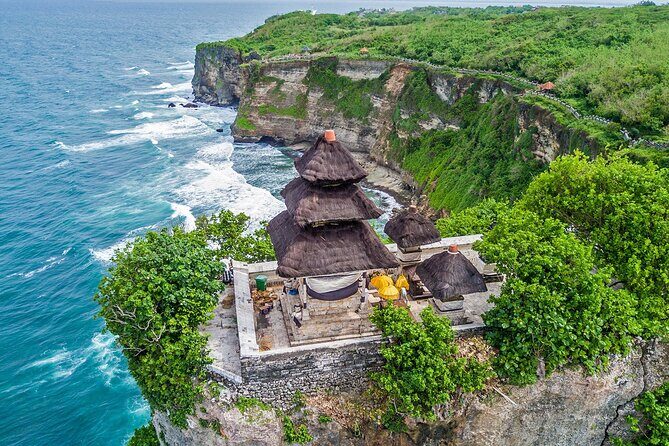
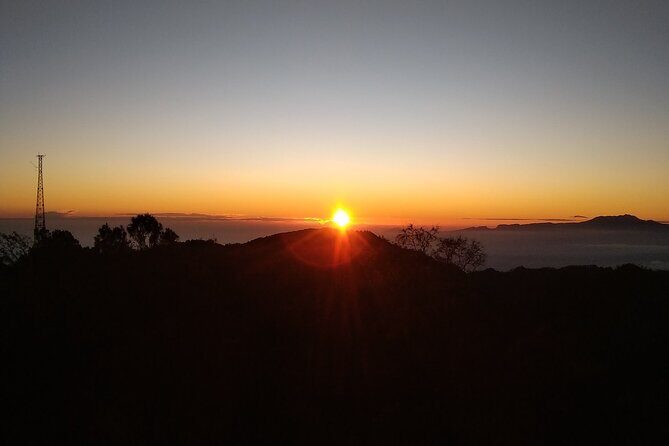
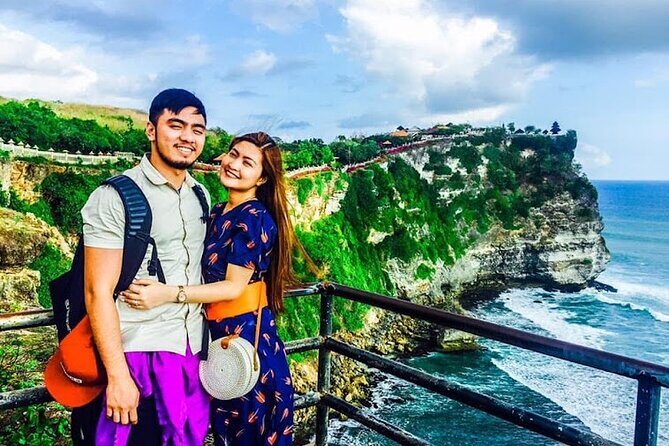
Uluwatu Temple sits on a cliff where the ocean becomes part of the stage. That location matters because the Kecak Fire Dance isn’t just a performance you watch, it’s something you experience with the wind, the sound, and the changing light behind it.
This show also has a practical rhythm you’ll appreciate. You’re not wandering all over the place all evening; you’re guided into the temple area, then you move toward the amphitheater for the exact performance window. That structure helps you actually enjoy the sunset instead of spending your evening stressed about timing.
If you're still narrowing it down, here are other tours in Kuta we've reviewed.


Price and what $37 really covers
At $37 per person, the value is mostly in what’s bundled. Your ticketing is handled (Uluwatu Temple entry and your Kecak dance ticket), and you get included temple basics like a sarong plus a bottle of mineral water.
You’re also paying for the “don’t make me figure it out” part. Hotel pickup and drop-off, private vehicle transport, gasoline, and parking fees are all part of the package, along with service and government taxes. In other words, you’re buying time and convenience, not just a seat at a show.
The max group size matters for value too. With a cap of 14 people, the trip tends to feel more personal than the huge buses that dump you at a site and disappear.
Hotel pickup and traffic timing (3pm to the 6pm show)

The tour runs about 5 hours, starting around 3:00pm and ending roughly by 7:00pm. The show itself happens from about 6:00pm to 7:00pm, so the whole evening is built around the sunset schedule.
Traffic is part of Bali life, so your pickup plan is more than just convenience. Several guides on this route are known for keeping things moving and getting you there before you feel rushed. If you’re coming from Kuta, the drive can take longer than you expect when roads are crowded, so this organized timing is a real advantage.
Here’s the practical tip: build in buffer time in your head. Even with a driver who’s good at route planning, you can’t control traffic, so having a clear plan and a driver watching the clock makes a difference.
Uluwatu Temple: cliff views, temple etiquette, and a tight time window
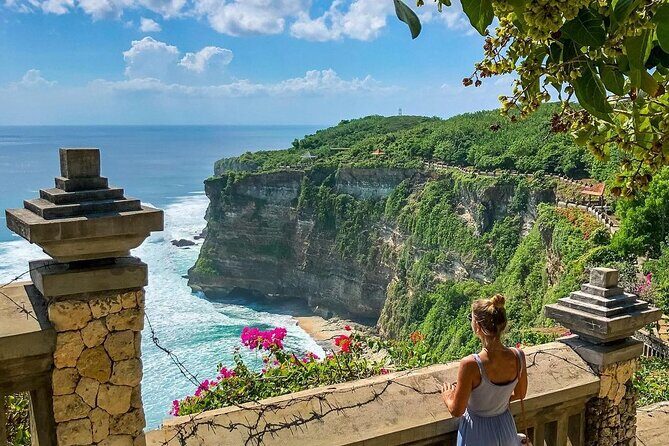
You’ll spend your early part of the evening at Uluwatu Temple, a sacred site that’s treated as a core spiritual pillar on the island. The best part isn’t only the architecture; it’s the way the temple overlooks the sea and turns the horizon into your backdrop.
You’ll also get temple etiquette handled. A sarong is included for entry, and your English-speaking guide explains what you’re seeing so you’re not just looking at random carvings with zero context.
The time window can feel tight because the show is the main event. You might not get a slow, leisurely tour of every corner, so focus on what matters most to you: the best ocean-view spots and the temple areas your guide prioritizes during the walk.
The monkeys at Uluwatu: how to avoid the classic chaos
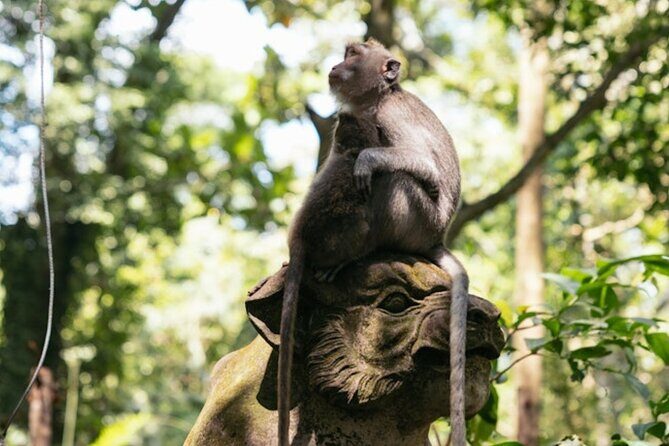
Uluwatu is famous for monkeys, and this is where your guide earns their paycheck. The most praised guides on this route are described as actively managing monkey interactions so people can enjoy the temple without turning it into a frantic rescue mission.
Keep your expectations realistic. At Uluwatu, monkeys may grab glasses, tags, or small items, and they can do it fast. Your best move is prevention: keep valuables secured, hold tight to anything you’re wearing (especially eyewear), and don’t treat loose bags like they’re safe.
A simple strategy works well: do what your guide does. If they point out which items to lock away or where to step, follow it. Some guides also help by spotting playful monkey behavior before it becomes a problem, which saves you from the unpleasant surprise moment.





Kecak Fire Dance seating: why arriving early matters
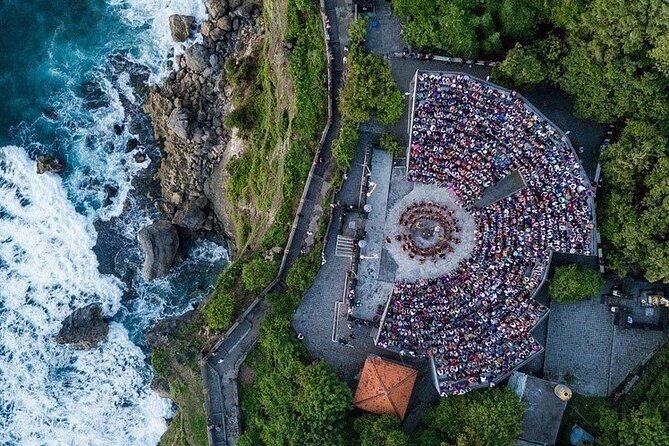
The Kecak performance runs about 18:00–19:00, but you’ll need to get into position earlier. The schedule notes that you must have a seat at the stage around 5:30pm, so plan to be there before the amphitheater fills up.
This matters more than you’d think. One reason people love this show is the energy and the tight staging, which means you want a good view without arriving late and getting stuck in the back. Your guide helps you get directed into seating quickly, and the better your position, the more you’ll enjoy the action as it builds.
Also, take seating seriously. Several accounts call out that the amphitheater seats can be hard and uncomfortable in the heat. If you’re sensitive to sitting still for a while, consider bringing a small comfort aid like a thin seat cushion or something light to cool down (and keep your valuables secured, since the monkeys aren’t your only distraction).
What the show feels like: more than chanting and fire
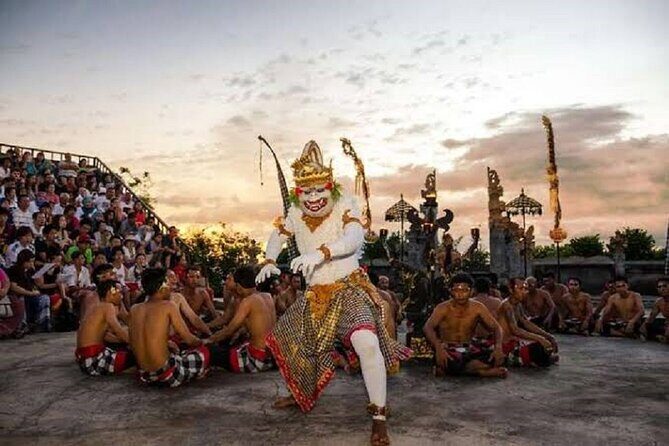
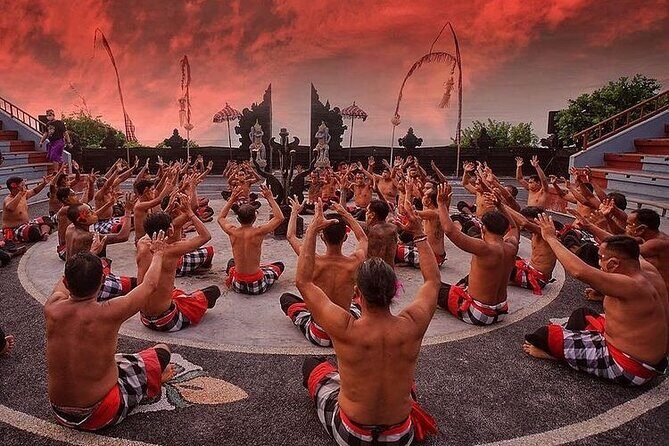
The Kecak show is known for its group vocal rhythm and dramatic staging, and the Fire Dance adds the visual punch as the evening darkens. The setting does the rest: ocean air, sunset light fading, and a temple backdrop that makes the whole thing feel anchored in place.
If you go in expecting pure entertainment, you’ll still have fun. But your experience gets better when you understand the ritual angle your guide explains along the way. The strongest guides are praised for explaining the religious practices and answering questions, so you’re not just watching movements—you’re following the story and the meaning behind it.
One useful realism check: weather can affect sunset photos. If it’s overcast, the show still works, but the sunset picture-perfect moment may be muted. In that case, treat the experience as a cultural performance first, scenery second.
The role of your guide: stories, direction, and monkey control
For me, the guide is the difference between okay and memorable. On this route, guides such as Yudi, Dharma, Eri, Nico, Ketut, and Surya come up repeatedly in connection with smooth timing, clear English, and proactive help.
Here’s what good guiding actually looks like on the ground:
- You start learning from pickup, not after you arrive.
- You get orientation at the temple so you know what to look for.
- You’re actively helped with photos and with where to stand or walk.
- You’re guided toward seating so you don’t waste time hunting for the right spot.
Monkey-handling support matters too. People describe guides who keep things under control during the walk and in the lead-up to the show, including protecting belongings. That support is not just “nice”—it lets you enjoy the evening instead of managing interruptions.
Coffee plantation stop: a nice bonus, but don’t expect it to be the main event
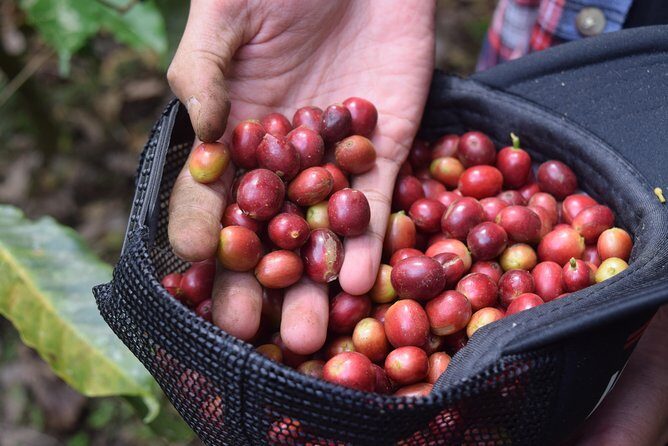
Some versions of this tour include a coffee stop tied to Bali’s coffee culture, often described as a Luwak coffee plantation visit. The upside is you get samples, explanations about how coffee is made, and an easy break before Uluwatu gets crowded.
The catch is that coffee stops can feel like a sales environment. The good news is that many people report it’s not overly pushy, more of a learning-and-tasting stop than a hard sell. If you’re not interested in coffee culture, just treat it as a short detour and keep your energy for the temple and Kecak.
What to pack for a comfortable, stress-light evening
You’re out in the sun earlier, then sitting in heat for waiting time, then dealing with ocean breezes and possible rain depending on the season. Pack for comfort, not just for the photo.
A few smart items to consider:
- Secure bag or pouch for phones, wallets, and any item monkeys could grab
- Light layers for after sunset
- Something small for seating discomfort, since amphitheater benches can be hard
- Sunglasses and water planning, since you’ll be waiting for the show start
Also, wear sandals or shoes you can manage easily on paths. Uluwatu has lots of walkways, and you want stable footing while you’re navigating crowds and monkeys.
Should you book this Kecak Fire Dance and Uluwatu sunset tour?
Book it if you want an evening that runs on rails: pickup, tickets, sarong, and guided timing, with Uluwatu Temple and the Kecak Fire Dance at the center. This is especially good value if you’d rather spend your time watching the sunset than troubleshooting transport and ticket lines.
Skip it or adjust expectations if you’re extremely sensitive to hard seating and you dislike waiting in heat before a show. Also, if you’re the type who needs long, slow temple wandering, the timing here is built around the 6pm performance, so you won’t get an all-day exploration.
If you want the best shot at a smooth night, aim to arrive early enough that the stage seating stress is off your mind.
FAQ
FAQ
What time does the Kecak Fire Dance start?
The Kecak and Fire Dance performance runs from about 18:00 to 19:00.
When should I be seated at the amphitheater?
You need to have your seat at the stage around 17:30.
How long is the tour?
The tour lasts about 5 hours, roughly from 3:00pm to 7:00pm.
Do I get hotel pickup and drop-off?
Yes. Hotel transfers (pick-up and drop-off) are included.
Is the entrance fee included for Uluwatu Temple?
Yes. The entrance fee and the Kecak dance ticket are included.
Do I need to bring a sarong?
No. A sarong is included for temple entry.
Is water included?
Yes. A mineral bottle of water is included.
What kind of transportation is used?
You travel by a comfortable private vehicle with an English-speaking driver guide. Gasoline and car parking fees are included.
What is the group size?
The maximum group size is 14 travelers.
Does the booking include a mobile ticket?
Yes. A mobile ticket is part of the package.
What is the cancellation policy?
Free cancellation is available up to 24 hours in advance for a full refund. If you cancel less than 24 hours before the start time, the amount paid is not refunded.
If you want, tell me where you’re staying in Bali (area or hotel), and I’ll help you judge whether this timing fits your evening plans.