REVIEW · KUTA
Indonesia: Garuda Wisnu Kencana
Book on Viator →Operated by GlobalTix Pte Ltd · Bookable on Viator
One stop in Bali, and wow big mythology. Garuda Wisnu Kencana is a huge Hindu landmark in Kuta’s Bukit Peninsula area, with a 120.9-meter statue designed by Balinese artist Nyoman Nuarta. It’s part monument, part cultural park, with performances and story-based atmosphere built around the myth of Wisnu and Garuda.
I especially like two things here: you can explore the grounds on foot or by Segway, so you control the pace, and you can catch Balinese cultural performances every hour in set venues. The schedule is packed enough that you can build a mini itinerary around the dances and shows you care about most.
One thing to consider: it can feel overpriced if you only plan to see a couple photo angles. Some activities and shows may cost extra after admission, so it helps to go in with an idea of which performances you really want.
In This Review
- Key things to know before you go
- Why GWK feels bigger than it looks from photos
- The statue and grounds: the real wow factor
- The performance schedule at GWK: pick your timing
- Walking vs Segway: how to move through 60 hectares
- Views, culture, and that “what does it mean” feeling
- Food and breaks: where “heritage cuisine” fits in
- Price and value: $6.22 isn’t the whole story
- Getting there from Kuta and navigating the park
- Rain and timing: how to avoid a wasted hour
- Should you book Garuda Wisnu Kencana in Bali?
- FAQ
- How long does the Garuda Wisnu Kencana experience take?
- What kind of ticket do I get?
- Are any cultural performances included?
- What times are the performances at GWK?
- Can I explore the park without walking the whole time?
- Is the admission ticket included?
- Can kids attend for free?
- When is the official ticket sent after booking?
Key things to know before you go
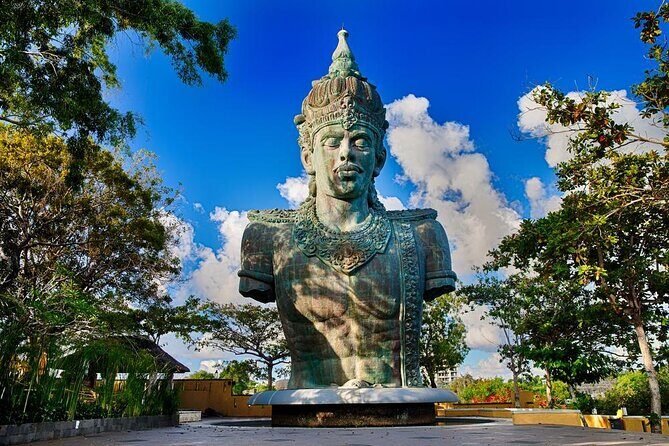
- 120.9-meter Garuda Wisnu Kencana statue with a 64-meter wingspan is the main event, and it’s built from copper, brass, and steel.
- Hourly performances run every day, staged in different spots like the Amphitheater, Plaza Wisnu, and the Lotus Pond.
- Segway access means you can cover more ground without turning your legs into souvenirs.
- 60-hectare cultural park is big—plan time to wander, not just snap and leave.
- Weather can change fast, so bring a light rain layer and expect slick paths sometimes.
- Your ticket is for one person and one time of arrival, so don’t arrive late and hope.
Why GWK feels bigger than it looks from photos
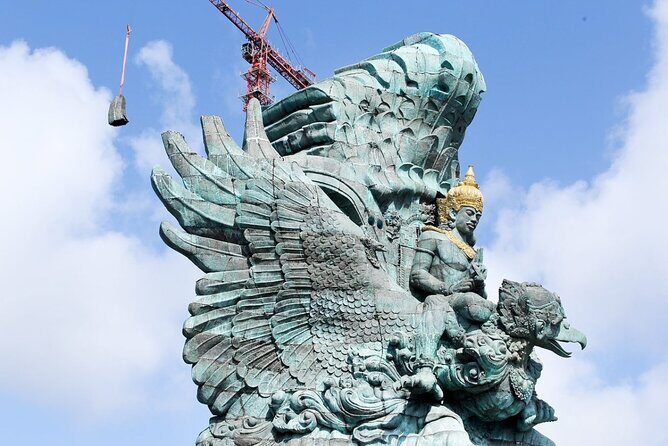
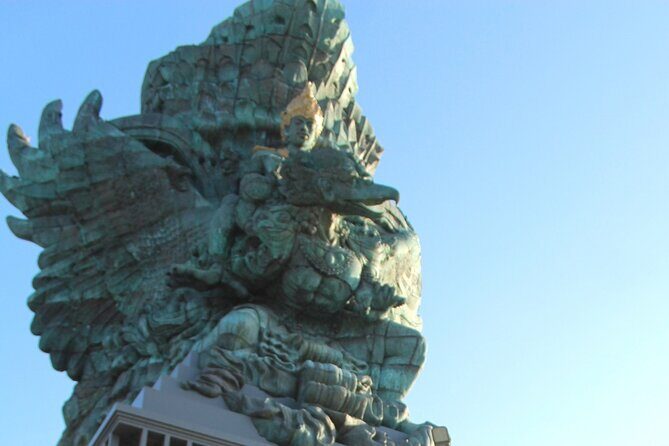
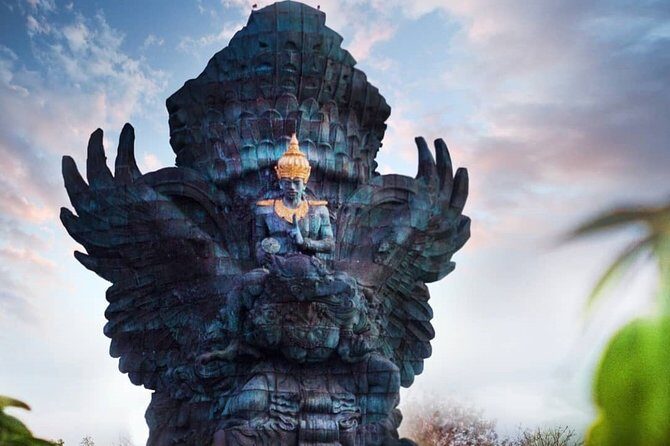
GWK Cultural Park is one of those places where the size hits you in waves. From a distance, you get the iconic silhouette: Lord Wisnu riding Garuda. Up close, the details become the real story—gold mosaic crowns, the materials, and the sheer scale of the monument carved into the park’s geography.
The myth connection matters, too. In Hindu tradition here, Garuda is tied to protection, loyalty, and freedom, while Garuda itself is also Indonesia’s national emblem. That’s why this isn’t just a giant statue for sightseeing. It’s a symbol-heavy space where the performances and design choices reinforce the idea of guarding, guiding, and moving forward.
The park is also new and built for visitor flow. You can move through the site without feeling like you’re wandering lost in a jungle. Instead, it feels like a planned cultural campus, with shows timed so you’re not stuck waiting around with nothing to do.
If you're still narrowing it down, here are other tours in Kuta we've reviewed.


The statue and grounds: the real wow factor
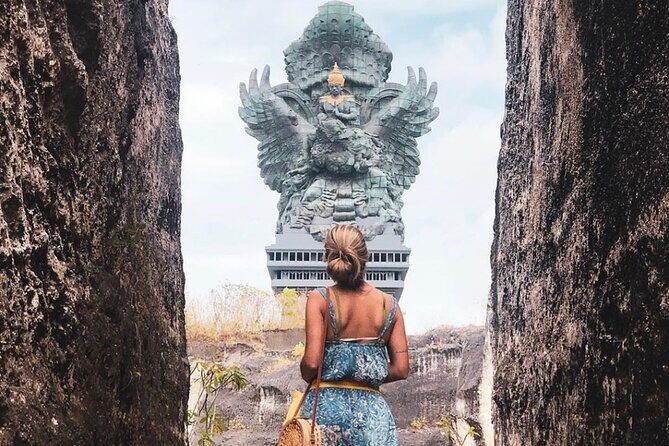
The Garuda Wisnu Kencana statue is the anchor: it rises over 120 meters, and its wings span 64 meters. It’s described as one of the tallest monumental statues in the world—higher than the Statue of Liberty and Christ the Redeemer—so yes, it’s meant to be world-figure level, not a local landmark.
A few details you can actually pay attention to when you’re there:
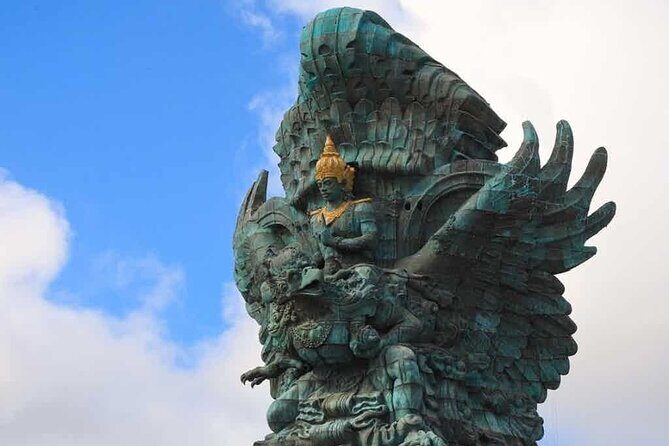
- The statue depicts Lord Wisnu on Garuda, the mythical eagle.
- It’s said to be crafted from copper, brass, and steel.
- The crowns feature gold mosaic work, designed to read as shining, celebratory detail rather than plain metal.
- The setting is on the Bukit Peninsula, which helps explain why the views and angles feel dramatic when you’re walking through the park.
Then there’s the park layout itself. GWK covers 60 hectares, so even if you’re not into statues, you’ll find plenty of reasons to keep moving: gardens, scenic viewpoints, and other sculptural elements that keep breaking up your path.
If you’re the type who loves stopping at the best angle and taking time, GWK rewards you. If you’re rushing for the next checkmark, you might feel disappointed, because the park is designed for “stay a while” viewing rather than a two-minute selfie run.
The performance schedule at GWK: pick your timing
This is where GWK becomes more than a monument. The park has cultural performances every hour, every day, mostly staged in three kinds of areas: an Amphitheater, Plaza Wisnu, and the Lotus Pond. There’s also a daily closing performance lineup in the evening.
Here’s the schedule you’ll want to plan around (WITA times):
- 11:00 WITA: Tari Sekar jepun, Tari Kebyar Duduk, Topeng Kenyum Manis
- 12:00 WITA: Tari Jauk Keras, Tari Oleg Tamulilingan, Tari Kebyar Duduk
- 13:00 WITA: Tari Sekar Jepun, Tari Jauk Manis
- 14:00 WITA: Tari Topeng Monyer, Tari Jauk Manis
- 15:00 WITA: Tari Oleg Tamulilingan, Tari Barong-Bojog
- 16:00 WITA: Parade Budaya Bali (Plaza Wisnu area)
- 17:00 WITA: Joged Bumbung (Lotus Pond)
- 18:00 WITA: KECAK – Garuda Wisnu Kencana
So how do you choose? I’d make it simple:
- If you want the big finale vibe, aim for KECAK at 18:00 WITA.
- If you want variety and don’t mind rotating between spots, catch two earlier dance blocks (like 11:00 and 14:00) and let the rest fill itself in.
- If you’re worried about time, pick the show closest to your arrival time and then use the remaining time for statue viewing and gardens.
One practical note: some experiences related to the monument area may involve waiting. If your goal includes getting to higher viewing spots or taking a guided option that involves time slots, you’ll want a buffer. Plan like you’re visiting a popular attraction, not a quiet museum.
Walking vs Segway: how to move through 60 hectares
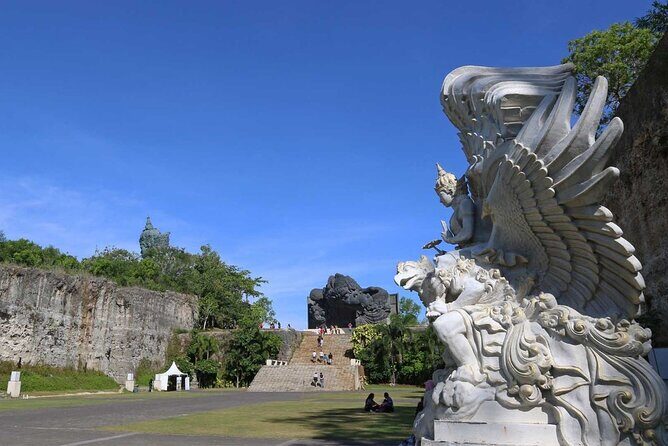
GWK gives you a choice, and that choice affects your whole mood there. You can explore on foot or by Segway, which is a big deal in a park this size.
Here’s how I’d think about it:
- Walking works if you love photo stops and want to take in smaller details between the main points. It’s also easier for quick detours when you spot a better angle.
- Segway helps if you want efficient coverage, especially if you’re visiting during a busy performance hour and you don’t want to fight the park distance between venues.
There’s also a good chance you’ll see buggy-style services in the park. If you’re trying to go between areas fast, it can save time and prevent you from arriving at a show line-up sweaty and late.
My best tip: decide your plan in two layers. Layer one is the performance(s). Layer two is the statue viewing after or between shows. If you try to do everything in one straight line, you’ll either miss a show or leave feeling like you didn’t see enough.
Views, culture, and that “what does it mean” feeling
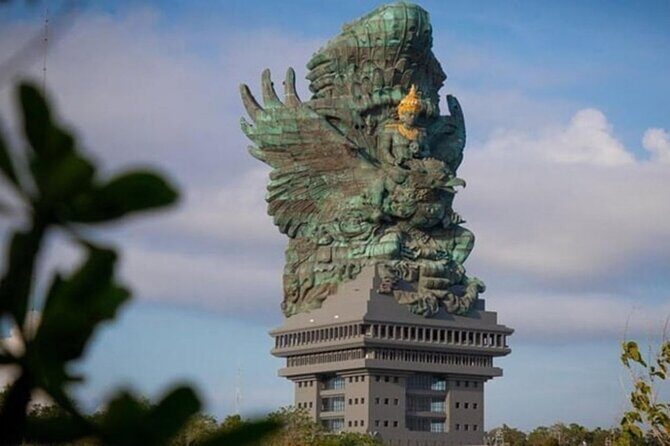
GWK’s design is built to help the meaning land without you needing a guide book the size of a phone manual. Lord Wisnu and Garuda aren’t random decoration. They tie into the idea of protection and freedom, and you’ll feel that theme as you watch dance stories and myth-based performances.
Even if you don’t speak Indonesian or know the dance names, you’ll still read the structure:
- Costumes and group formations in dances help you understand the mood—heroic, playful, ceremonial, dramatic.
- The way the park moves you between locations (amphitheater to plaza to pond) keeps it from turning into one long viewing session.
The vibe is very much “culture as lived performance,” not just culture as display. That’s why the timed schedule matters. It turns your visit into a sequence, with your statue viewing becoming the backdrop for stories unfolding nearby.





Food and breaks: where “heritage cuisine” fits in
The experience also includes Indonesian heritage cuisine, which is a nice benefit if you don’t want to think about meal logistics while you’re planning a short visit. In practice, that means you can treat the park like an easy afternoon plan: see the monument, watch performances, and grab food without trekking across town.
Because you’re there for only about 2 to 3 hours, I’d keep your food strategy simple:
- Eat early enough that you can still catch the show you care about.
- If crowds build around performance times, be flexible and don’t assume you’ll get the perfect order quickly.
If you’re sensitive to hunger timing, plan like this: statue first or show first, then food, then anything remaining. Don’t squeeze a full sit-down meal into the middle unless your arrival lines up perfectly with your schedule.
Price and value: $6.22 isn’t the whole story
At $6.22 per person, this can look like a bargain. And compared to many Bali entrance fees plus a separate show ticket, it often feels like decent value—especially because the performance schedule is extensive and frequent.
But I’d evaluate value in a more realistic way:
- You’re paying for entry into a large cultural park plus access to performances across multiple time slots.
- The statue is the headline, and GWK is built for you to stay and keep looking—so value rises if you actually use the time well.
- If your plan is just to arrive, see a couple highlights, and leave, you may feel the price doesn’t match the “amount of content.”
Also, one caution from the real-world side: some activities and shows can be extra after entry. That doesn’t automatically make the ticket bad. It just means you should go in with intentions. Decide which parts you want to prioritize—especially if you’re considering any higher viewing options or guided segments.
If you’re the type who likes structured visits with built-in entertainment windows, GWK can be a good use of your afternoon. If you’re chasing solitude and quiet, you might find it more crowded and planned than you expected.
Getting there from Kuta and navigating the park
GWK is in Kuta’s broader area on the Bukit Peninsula, so it’s reachable without making your day overly complicated. It’s also listed as near public transportation, which helps if you prefer not to rely on private rides.
If you’re using a ride-hailing app or taxi from central Kuta, the journey is typically around half an hour depending on traffic. Once you arrive, don’t underestimate how much walking helps—but also don’t force walking when your priority is catching the right show time.
Inside the park, the key is rhythm:
- Arrive with enough time for at least one performance block.
- Use the statue viewpoints in between shows.
- Build in a little buffer for crowds, especially around the top of the hour.
Rain and timing: how to avoid a wasted hour
Bali weather can shift quickly. You might hit a thunder shower, and when that happens, paths can get slippery and visibility drops. Even if you love taking your time, weather can cut your “wandering time” down fast.
So do yourself a favor:
- Bring a light rain jacket or poncho.
- Wear shoes that won’t punish you on wet walkways.
- If you’re considering waiting for a higher viewing or a guided element, bring a buffer so you don’t lose your main show window.
There are also scheduled tour opportunities within the park, including an option that runs every 15 minutes. That’s useful because it gives you flexibility, but it also means it can still turn into waiting if the timing doesn’t match your arrival. Keep your plan flexible and don’t anchor everything to a single slot.
Should you book Garuda Wisnu Kencana in Bali?
I’d book GWK if you want a short, structured Bali experience where the main icon is tied directly to performances and story. The combination of a massive Garuda Wisnu Kencana monument, hourly Balinese dance shows, and the option to move around by Segway makes it easier to get value out of a limited schedule.
Skip or reconsider if you’re on a strict “only need one photo spot” mindset. In that case, GWK may feel like a lot of money for a few quick stops, especially if some add-ons are not included.
Best match:
- You like culture-on-a-timetable.
- You want big landmark photos with actual shows happening around them.
- You’re happy spending 2–3 hours in one place instead of doing multiple separate attractions.
FAQ
How long does the Garuda Wisnu Kencana experience take?
The duration is listed as about 2 to 3 hours.
What kind of ticket do I get?
You get a mobile ticket.
Are any cultural performances included?
Yes. There are Balinese cultural performances every hour, every day, including events like KECAK at 18:00 WITA.
What times are the performances at GWK?
Performances are scheduled at 11:00, 12:00, 13:00, 14:00, 15:00, 16:00, 17:00, and 18:00 WITA.
Can I explore the park without walking the whole time?
Yes. You can explore on foot or by Segway.
Is the admission ticket included?
Yes. Admission is included with the experience.
Can kids attend for free?
Children under 100 cm are free of charge.
When is the official ticket sent after booking?
You may receive a confirmation booking first, and the official ticket is sent within 24 hours.