REVIEW · KUTA
Balinese Village Experience
Book on Viator →Operated by Bali Buddies · Bookable on Viator
A temple blessing at a real family home. In Kuta, this Pacung Sangeh village day turns daily Balinese Hindu practice into hands-on time, from making canang sari offerings to a sacred water blessing. You also get hotel pickup in south Bali, so you spend less time wrangling transport and more time learning how village life really works.
What I love most is meeting the family through a local host like Wayan Eric, who can explain the meaning behind rituals in a way kids and adults both follow. The second big win is the food and rhythm of the day—morning tea with cakes and coffee, then lunch at a scenic warung—so it feels like a true day with your hosts, not a checklist.
One thing to consider: it’s a full 7 hours starting around 8:30 am, so you’ll be in “day tour mode” more than slow sightseeing mode. If you hate early starts or cars for long stretches, plan accordingly.
In This Review
- Key highlights worth your time
- How the Pacung Sangeh village experience feels in real life
- Meeting your host at the family compound (and why that matters)
- Making canang sari offerings: hands-on Bali Hindu practice
- Morning temple and cleansing ritual: what to expect without the fluff
- Lunch at a scenic warung: a break that feels part of the story
- Transfers in south Bali: saving time without losing the day
- Who this tour fits best (and who should think twice)
- Price and value: is $70 a fair deal?
- Quick practical tips before you go
- Should you book this Balinese Village Experience in Kuta?
- FAQ
- What time does the tour start?
- How long is the Balinese Village Experience?
- How much does the tour cost?
- Does it include hotel pickup and drop-off?
- Is lunch included?
- Is there a mobile ticket?
- How large are the groups?
- What happens if I cancel?
Key highlights worth your time
- Pacung Sangeh village compound time with a family host, not a quick roadside stop
- Canang sari offering lesson that you actually make yourself
- Cleansing and sacred water blessing linked to Balinese Hindu practice
- Morning tea with cakes and coffee to set the pace before the rituals
- Lunch at a scenic warung as part of the flow, not an afterthought
- Small group size (max 10) keeps the day feeling personal
How the Pacung Sangeh village experience feels in real life
This isn’t Bali as a backdrop. It’s Bali as a daily practice, carried out by families who have been doing it long before tourism showed up with cameras. You start the day at 8:30 am and get picked up by a driver to meet your guide. From there, you’re led into Pacung Sangeh village, where the focus stays on how Balinese Hinduism shapes routine: what people prepare each morning, how they use family compounds, and why certain spaces matter.
A strong part of the experience is the way the host connection is built in. The guiding isn’t just “here’s what you’ll see.” You get welcomed into a real family compound, which changes the tone immediately. You’re not only looking at culture; you’re being shown how and why it’s done.
The pacing also helps. You’re not rushed from one photo spot to another. You have a sequence: welcome and refreshments, hands-on offerings, a temple and blessing ritual, then food breaks and the ride back. It feels like a morning that turns into an afternoon with purpose.
If you're still narrowing it down, here are other tours in Kuta we've reviewed.



Meeting your host at the family compound (and why that matters)
The day starts with real hospitality: you meet your host and get inside the family space. You’ll spend time in their compound and get morning tea—served with cakes—and coffee. It’s a small detail, but it sets the emotional tone for the whole tour. You’re not arriving as a stranger and immediately being asked to perform for the camera. You’re welcomed first.
This is also where the family explanation becomes practical. One of the most praised parts is the clarity of the guide. People (including families traveling with young kids) appreciated that the host was patient and good at explaining the traditions and home life in plain language. That matters because Balinese Hindu rituals can sound complicated if someone just throws words at you. When the guide connects the ritual to everyday life, it stops being theory.
If you’re visiting with children, this compound time is especially useful. Kids tend to do better when they can ask questions and watch hands work. Here, you’re not only listening—you’re participating.
Tip: treat the compound visit like someone’s home, not a museum. Follow your host’s lead on what to do and where to stand. If you want photos, ask first.
Making canang sari offerings: hands-on Bali Hindu practice
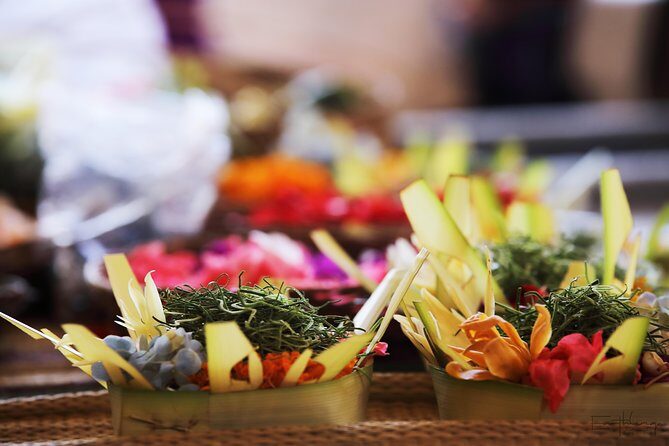
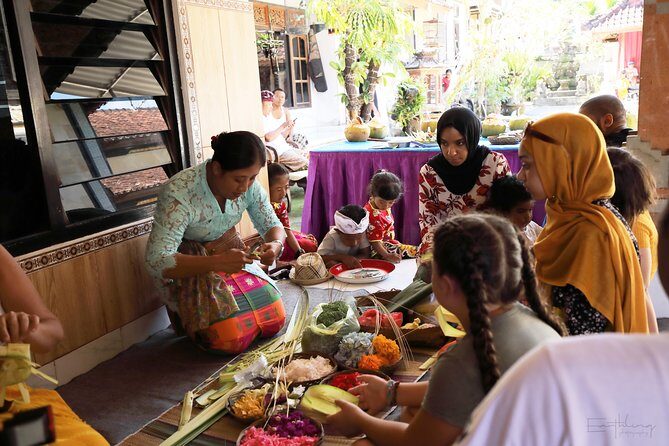
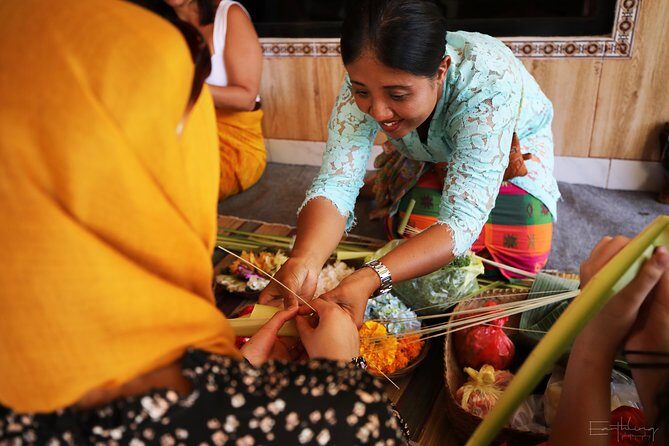
One of the best reasons to book a Balinese village experience is the chance to do something, not just watch it. Here, you learn how to make the daily offerings known as canang sari. These are not one-time souvenirs. They’re part of a regular rhythm—prepared so homes, family spaces, and sacred places stay connected through prayer.
What you’ll actually do is the fun part: you’ll be guided through making the offering itself, not just hearing about it. The guide’s job is to translate the meaning and the method. Expect your time to include both explanation and physical steps, so you can feel what’s involved. Even if you don’t get every detail perfect, the learning comes from doing it with care and guidance.
Why this is valuable: it gives you a way to read Bali after you leave. You’ll start noticing the offerings you see on the street, near doorways, and at temples with a lot more understanding. Instead of guessing what you’re looking at, you’ll recognize the purpose and the daily nature of it.
Also, this is one of the rare activities where your hands have a role. That helps adults slow down, and it helps kids stay engaged.
Morning temple and cleansing ritual: what to expect without the fluff
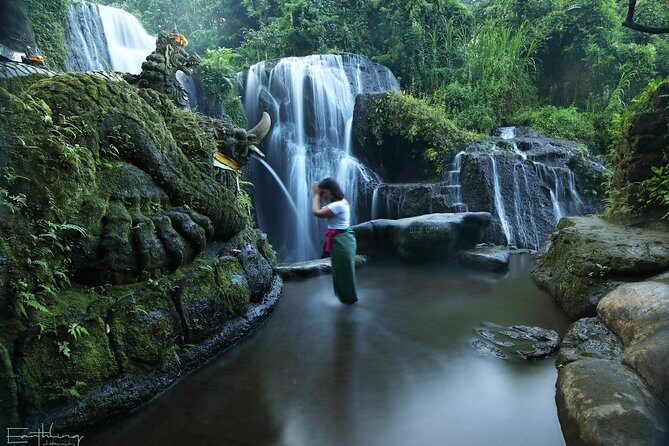
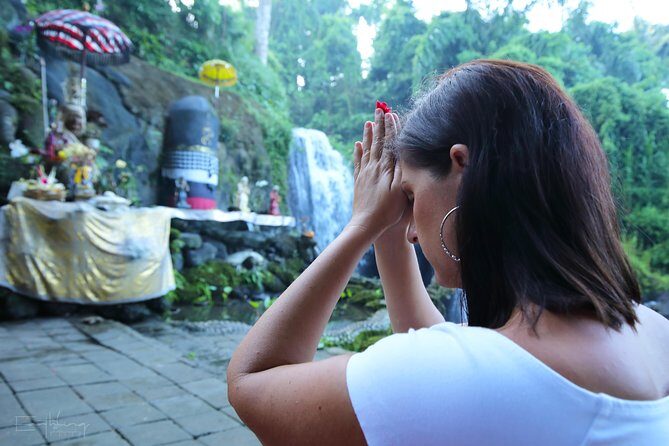
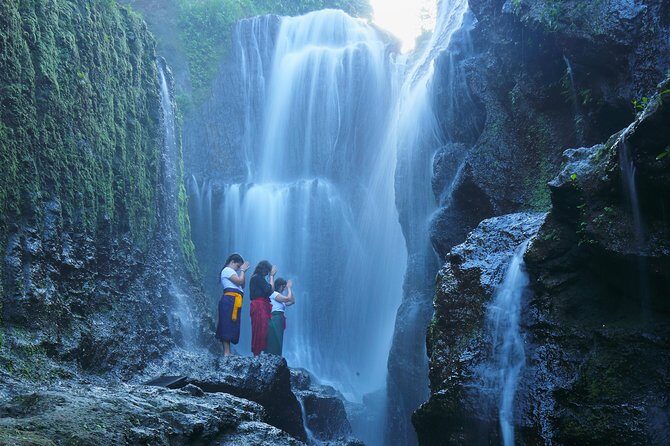
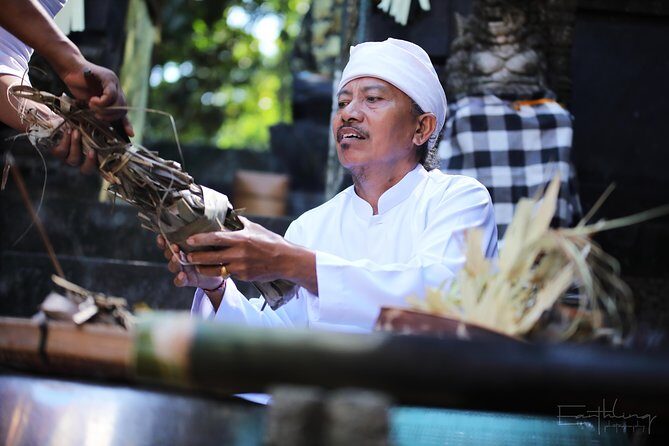
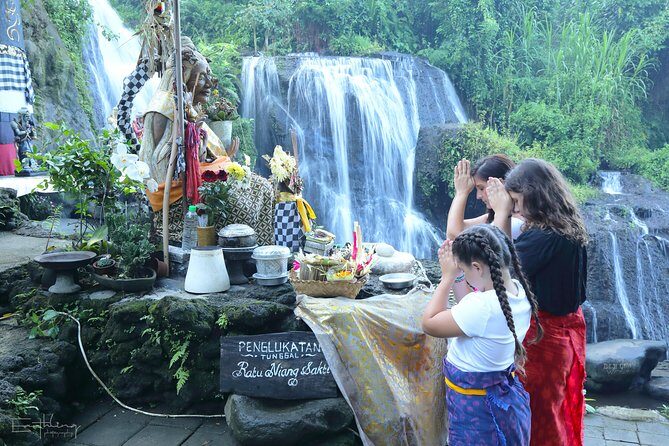
After the offering-making portion, you’ll head toward a sacred water temple for a blessing ritual. This is tied to Balinese Hindu cleansing practice—something you can sense is meaningful immediately, even if you don’t catch every word.
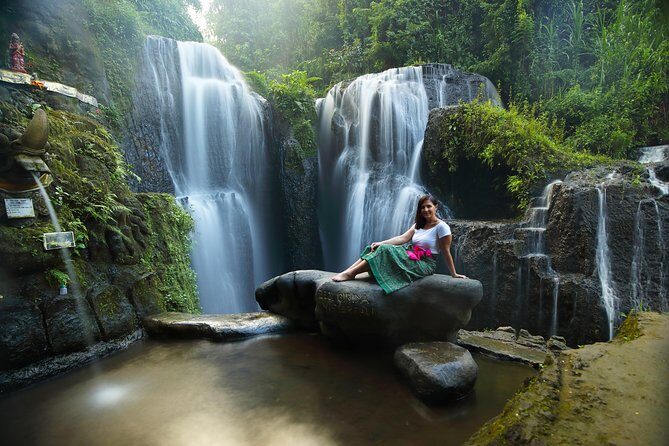
In the holy water part of the day, you may also get time connected to a waterfall and cave area for the blessing. That piece adds a strong sense of place. The setting isn’t just decorative; it supports the feeling of purification and blessing that the ritual is aiming for.
Here’s how to mentally prepare:
- You’ll be present for a ritual moment, so you’ll want to stay attentive and respectful.
- It’s not a performance meant for your entertainment. Treat it like a family and community practice.
- Your guide should help you understand what you’re seeing, but you might still feel that not everything is designed to be explained like a classroom lesson. That’s normal.
If you’re hoping for a strictly linear, museum-style tour, this won’t match that. But if you want the human side of Bali, this is where the day earns its price.
Lunch at a scenic warung: a break that feels part of the story
Food is where many tours become generic. This one tries to keep the day grounded. Lunch is at a warung in a scenic setting, and it’s timed as part of the overall flow rather than something you’re forced to hunt down.
You’ll also see Balinese cakes earlier in the day as part of the morning tea setup. That means you’re not only eating lunch; you’re sampling local flavors across the whole experience.
What to look for from a value standpoint: you’re paying $70 for a full day that includes village time, the offering lesson, temple blessing, and two-way transfers. The lunch component matters because it prevents the day from becoming a long gap where you’re spending extra money later or eating a random meal.
If you’re picky, you’ll still likely find something you can enjoy, but don’t assume a wide menu. This is more about local food experiences than restaurant variety.






Transfers in south Bali: saving time without losing the day
The logistics are one of the quiet advantages. You’ll get pickup and drop-off directed to most south Bali hotels, which is a big deal if you’re staying outside the center of Kuta or dealing with traffic.
The experience is listed at about 7 hours total, with the main village section running around 4 hours. That makes the math work in your favor: you get a real block of village and ritual time, and the rest is spent on reasonable travel and transitions instead of padding.
Small group size (up to 10 travelers) also matters for the ride. More people means more stops, more waiting, and more time with your schedule getting bent by the group. In a small group, the guide can keep momentum while still answering questions.
One practical note: because the day starts at 8:30 am, you’ll want to be ready early. Bali mornings can be cooler and more comfortable, but your schedule won’t wait for you.
Who this tour fits best (and who should think twice)
This experience is ideal if you want something real: village life, hands-on offerings, and a sacred water blessing in a way that feels guided and respectful. Based on the way the day is structured and how the guide explains traditions, it’s a strong match for families. Kids can handle it because there’s a mix of sitting, watching, doing, and learning—not just a long walk and constant standing.
It’s also a good pick if you’re the type who loves culture but gets impatient with vague explanations. You’ll see the meaning behind daily Hindu practice, and you’ll have a memorable physical takeaway: you made canang sari yourself.
Who should think twice?
If you’re looking for a laid-back day with lots of free time, this is a scheduled experience. The start time and ritual flow mean you’ll be busy from morning onward. Also, since it’s set with specific timing, you may not love it if you’re prone to getting stressed by tight itineraries.
Price and value: is $70 a fair deal?
At $70 for about 7 hours, the value depends on what you’re comparing it to.
Here’s what you’re getting for the price:
- Hotel pickup and drop-off for most south Bali stays
- Village time in Pacung Sangeh, including a real family compound visit
- Instruction and hands-on time making canang sari offerings
- A sacred water temple blessing ritual
- Lunch at a warung
- Morning tea with cakes and coffee
- Small group size (max 10)
- A local host style of guiding, highlighted by guides like Wayan Eric and the way they explain traditions
So you’re not just paying for sightseeing. You’re paying for guided cultural participation plus transportation plus food. That usually costs more when you try to piece it together on your own, especially in a way that actually includes the ritual and family-compound part.
If you only want temple photos and a generic tour narrative, you might find cheaper options. But if you want the “learn by doing” part—and you care about understanding Balinese daily Hindu practice—this price makes sense.
One more value note: the day feels tuned for families. That can be hard to find in Bali, where some tours are better for adults only. If you’re traveling with kids, that alone can make the $70 feel like money well spent.
Quick practical tips before you go
You won’t need special gear listed for this tour, but it is temple-and-compound focused. Bring a mindset for respectful participation. Wear comfortable clothing you can move in, and be ready to follow your guide’s cues. If you’re going with children, this tour’s structure is one reason it works well: there are moments to look, moments to do, and a clear flow.
Also, plan for a full-day rhythm:
- Start early
- Stay present during the cleansing/blessing ritual
- Use lunch time as a real break
- Expect the day to move as a group, not as an independent hop-on plan
Should you book this Balinese Village Experience in Kuta?
I’d book it if you want Bali that’s human-scaled. The standout reasons are the family compound welcome, the canang sari offering lesson, and the sacred water temple blessing that ties daily life to faith. Add in hotel pickup in south Bali, small group size, and lunch at a scenic warung, and you get a day that feels worth the time.
I’d skip it if you’re chasing downtime, bargain-hunting, or total freedom. This is a structured cultural day with an early start and a focused agenda. If that sounds like your style, it’s a strong choice.
FAQ
What time does the tour start?
It starts at 8:30 am.
How long is the Balinese Village Experience?
The duration is approximately 7 hours.
How much does the tour cost?
The price is $70.
Does it include hotel pickup and drop-off?
Yes. Pickup and drop-off are offered to most south Bali hotels, and it includes two-way transfers.
Is lunch included?
Yes. Lunch at a scenic warung is included.
Is there a mobile ticket?
Yes, a mobile ticket is used.
How large are the groups?
The tour has a maximum of 10 travelers.
What happens if I cancel?
The experience is non-refundable and cannot be changed for any reason. If the tour is canceled due to not meeting the minimum number of travelers, you’ll be offered a different date/experience or a full refund.