REVIEW · KUTA
Bali (Padang Bai) to Gili Trawangan – Gili Air – Lombok (Bangsal)
Book on Viator →Operated by BlueWater Express · Bookable on Viator
Speed over Bali to the Gili, minus the hassle. This fast-boat run is built for efficiency, with a safety-first mindset and years of operations behind it. BlueWater Express has been doing Bali–Gili routes since 2006, so the process tends to run like a machine, not a scramble.
What I like most is the simple check-in flow and the clean, comfortable ride onboard. You also get practical extras like bottled water and an onboard restroom, which matters when your day is already moving fast.
The main drawback to consider is comfort won’t be identical for everyone. Some people say the A/C could be stronger, and there can be a mid-journey stop for an engine/prop safety check—usually precautionary, but it still interrupts the smooth pace.
In This Review
- Key things to know before you book
- Padangbai start point: finding the boat without a stress spiral
- What the 3–3.5 hour crossing feels like
- Onboard comfort that actually helps: A/C, water, restroom
- Check-in and staff: where the day either clicks or drags
- Safety and professionalism: what the operator is emphasizing
- Route reality: Bali to the Gili Islands, then onward toward Lombok
- Port-side pickup and the human side of logistics
- Price and value: why this boat costs more
- Who this transfer fits best (and who might want a backup plan)
- Small practical tips that make a big difference
- Should you book BlueWater Express?
- FAQ
- FAQ
- How long is the Bali to Gili Islands and Lombok boat ride?
- Where does the boat depart from in Bali?
- Where does the experience end?
- What’s included in the price?
- Is bottled water provided during the trip?
- Does the boat have a restroom?
- Does the crossing require good weather?
- What happens if I cancel?
- How many people are on board?
Key things to know before you book
- Long-running operator since 2006: you’re booking a company that has done this route for a long time.
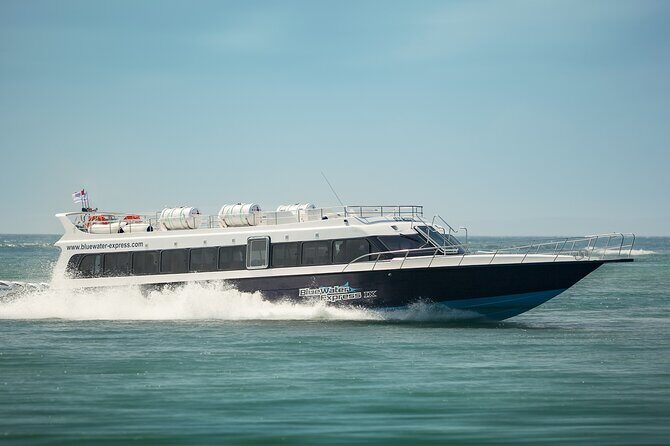
- Smaller group size (max 70): the boat tends to feel more controlled than big-capacity ferries.
- Onboard basics covered: A/C, bottled water, a restroom, and a setup meant to keep you comfortable for the crossing.
- Check-in is straightforward: instructions tend to be clear, with staff ready to help you get moving.
- Expect precautionary engine/prop checks: it can happen, and the reason is safety-related, not drama.
- Port-side hassle can be real: what happens outside the port area is beyond their control, so plan your pickup approach.
Padangbai start point: finding the boat without a stress spiral
Your day usually starts in Padangbai, at BlueWater Express’s boat area on Jl. Silayukti, Padangbai, Kec. Manggis, Kabupaten Karangasem, Bali 80871, Indonesia. This matters because Padangbai can feel busy and a bit chaotic around peak sailing times. If you’re early, you’ll have time to get your bearings and match your name to the right group.
The company’s process is designed to be practical: after you book, you receive confirmation details that include trip and pickup timing. That’s useful because the Gili schedules can shift with weather, and you don’t want to guess.
One small but real plus from people’s experiences: the departure area isn’t just standing-in-the-sun misery. You may be able to wait inside Sama-Sama Reggae Bar instead of baking outside. I like that idea a lot—cold water in hand beats heat-blasted waiting.
And here’s a detail that affects your whole experience: this transfer runs near public transportation, so you’re not trapped. If your Bali morning plans change, you usually have options to get back on track.
If you're still narrowing it down, here are other tours in Kuta we've reviewed.


What the 3–3.5 hour crossing feels like
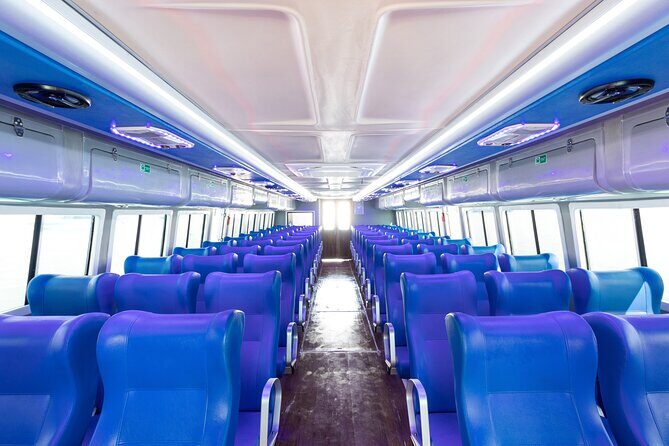
This isn’t a slow scenic ferry day. The whole point is speed and getting you to the Gili area faster. The trip time is listed at about 3 to 3.5 hours, and that timing tends to define how you plan the rest of your day on the islands.
Onboard, the ride can feel comfortable—especially if you get a decent seat and you’re prepared for typical fast-boat motion. Many people highlight that the boat is clean and feels modern/comfortable, with staff helping you get on and off. That matters more than you’d think. A smooth boarding and decent crew support can cut your stress by half.
Still, two considerations show up in feedback:
1) Air-conditioning performance varies. Some people say the A/C is great; others feel it could be better.
2) Mid-journey stops can happen. Even on a fast run, the crew may stop briefly for a precautionary engine/prop safety check (for example, if rope or fishing line could snag the prop). It’s meant to prevent bigger problems later.
I’d pack for both possibilities: bring something light for sun and something light for air-conditioning. Fast boats can run cold, but not always consistently.
Onboard comfort that actually helps: A/C, water, restroom
The included onboard comfort items are straightforward and useful:
- Air-conditioned vehicle/transport setup (you should feel that A/C benefit during the transport portions)
- Bottled water: free-flow sealed mineral water plus sweet drinks
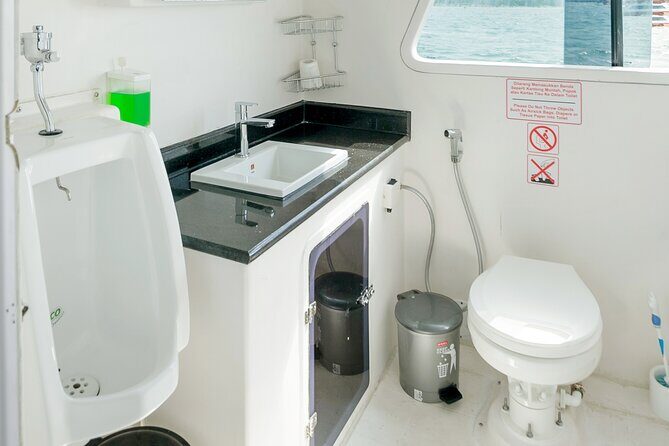
- Restroom on board
That restroom is a big deal for a 3–3.5 hour journey. If you’ve ever done island transfers without one, you know the math quickly turns stressful.
The bottled water detail is also practical. Sealed water helps you avoid that worry about what’s safe and what’s been sitting around. And since you’ll likely arrive hungry on the island side, the small “sweet” drink offering can be a welcome reset.
One note from people’s experiences: towels and small comfort touches show up on some sailings. Since that’s not explicitly listed as included, treat it as a possible extra rather than a guarantee—but it’s a nice sign when it happens.
Check-in and staff: where the day either clicks or drags
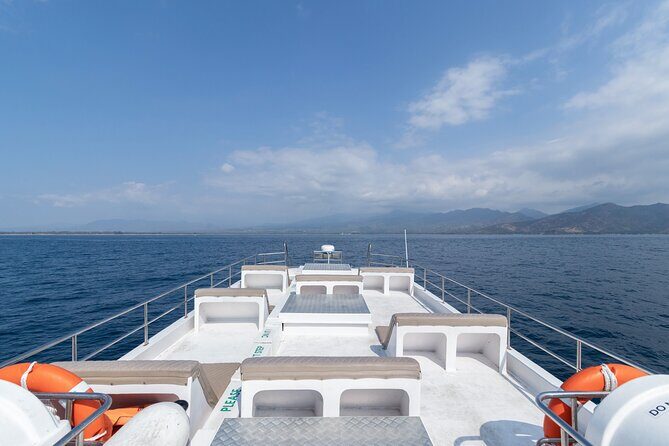
This ride tends to win people over at the check-in stage. The process is described as simple and clearly explained, with staff who are helpful and ready to guide you. That’s exactly what you want when you’re juggling luggage, timing, and a destination that depends on the boat actually leaving.
Also, some people liked that the operator doesn’t overbook. Overbooking is what turns a relaxed boarding into a crowded scramble. When seats and space are respected, the whole vibe stays calmer.
That said, you should keep expectations realistic about language. One comment notes the crew’s English wasn’t always strong. You don’t need perfect English to follow basic instructions, but if you prefer clear communication, stand close to the staff during boarding and listen carefully.
Practical tip: arrive early enough to feel unhurried. Even if check-in is easy, you’ll move faster when you’re not rushing.
Safety and professionalism: what the operator is emphasizing
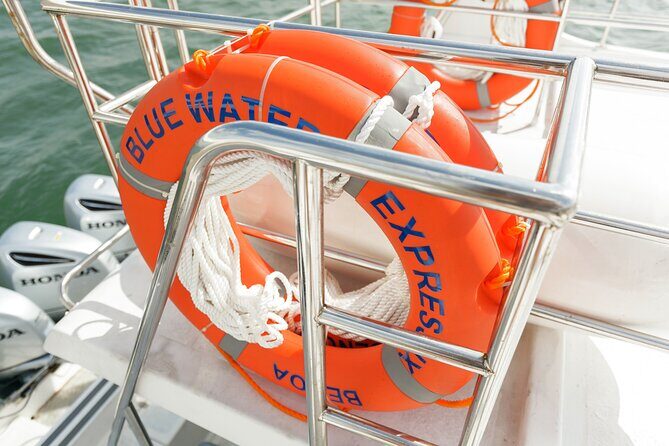
BlueWater Express positions itself around safety and professionalism, and their long-running operation since 2006 supports that message. On these routes, safety isn’t just a slogan. Fast boats depend on tight procedures, good maintenance, and quick responses when conditions change.
One safety-related point shows up in the way they explain mid-trip stops. If there’s a chance the prop could be obstructed—like rope or fishing line—the crew may pause to check the engine/prop situation. It can feel like the trip “stops,” but the reasoning is to prevent more serious trouble.
Another element tied to safety is capacity and boat size. In one operator response, they mention using boats around 26 meters, carrying 84 guests at once, while your booking is listed with a maximum of 70 travelers. Put simply: you’re not on a tiny platform crowded beyond comfort, and you’re not in the highest-capacity chaos either.
If safety is your top priority, this is the right kind of operator to choose. You’re paying extra for a reason, and here the reason isn’t just marketing—it shows up in how the process runs.






Route reality: Bali to the Gili Islands, then onward toward Lombok

This experience is designed to move you from Bali (Padangbai) to the Gili Islands and continue toward Lombok (Bangsal). The exact landing order can depend on the sailing plan, but you should expect the boat to drop you in the Gili zone—often including Gili Trawangan and Gili Air—and then connect you onward toward Lombok.
Here’s why this route design is valuable: you’re not doing separate long transfers. You’re paying for one fast movement across the water, which saves time and reduces the chances of missing a connection.
The Gili side also varies by where you finally go next. If your hotel is on Trawangan versus Air versus the Bangsal side, your final short connection steps matter a lot. The boat gets you close; how you finish the last mile is still on you.
My advice: keep your onward transport simple. Have your pickup plan ready so you’re not negotiating in a busy port moment.
Port-side pickup and the human side of logistics
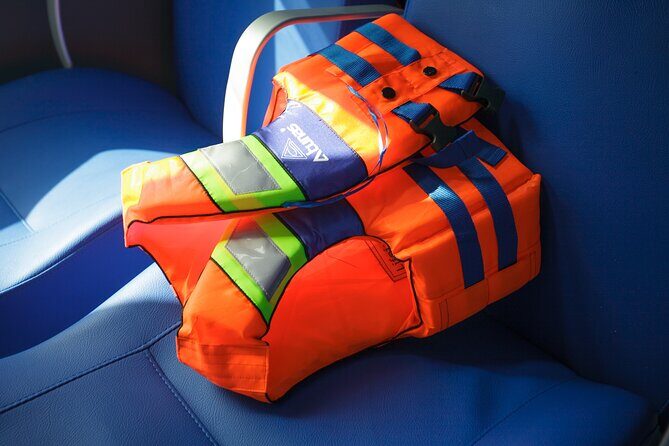
One recurring theme in experiences is that what happens outside the port area can get messy. There’s mention of people following and pressuring for rides, and of harassment-like pressure to load into unfamiliar cars. That part is hard to ignore.
Here’s the practical takeaway: plan your arrival pickup method before you’re surrounded by chaos. If you can, pre-arrange the ride through your accommodation or choose a known, official transport method right after you disembark.
Also: protect your luggage. One person described damage from luggage being crushed under a stack. Even if that’s not the norm every time, it’s a reminder that boat transfer luggage goes into a loading pile. If you pack something valuable, think about either carrying it on with you (when permitted) or packing it so it can survive being stacked.
If you want a smoother day, treat the port area like an airport: keep a calm posture, hold your essentials close, and don’t get dragged into hasty decisions.
Price and value: why this boat costs more
At $91, this isn’t the cheapest way across. The value question is: what do you gain for the extra cost?
People who chose this operator for a return trip often described it as worth the premium because it tends to:
- keep the process organized and clear
- avoid overbooking
- reduce stress while waiting for departure
- provide a cleaner, more comfortable boat setup
- include basics like A/C, water, and a restroom
If you’ve ever tried saving money on island transport only to end up sweating, waiting, or dealing with confusing boarding, you’ll understand why people pay for this level of organization. In the tropics, comfort and timing aren’t luxuries. They prevent wasted hours and cranky starts.
So here’s how I’d judge it for your trip: if you want the day to feel controlled, and you hate uncertainty, paying extra for a more professional operation is rational.
Who this transfer fits best (and who might want a backup plan)
This fast boat is a good fit if you want:
- a time-efficient Bali to Gili/Lombok connection
- a more organized boarding flow
- onboard comfort basics like A/C, water, and restroom
- peace of mind from an operator running the route since 2006
It’s also generally listed as suitable for most people.
You might want a backup plan in your head (not a different ticket you buy today) if:
- you’re sensitive to temperature swings (since A/C power can be inconsistent)
- you’re traveling with fragile luggage or equipment (luggage stacking can be rough)
- you strongly need seamless English support from staff (some feedback says it’s not always consistent)
Small practical tips that make a big difference
- Dress in layers: fast boats can be cooler inside than you expect.
- Keep your most important items in your personal bag: passports, phone, and a charger.
- If you’re picky about comfort, plan to arrive a bit early so you can settle without rushing.
- Expect brief interruptions: if the crew does a prop/engine check, it’s still part of getting you to your destination safely.
- When you land, move with purpose. Ports are busy, and that’s where pressure tactics outside the port area can show up.
If you treat this like a timed transit—less like a leisure cruise—you’ll enjoy it more.
Should you book BlueWater Express?
Yes, if you want a professional, organized fast-boat transfer that includes practical onboard comforts and a safety-first attitude. The added cost makes sense when you value smoother check-in, fewer chaotic waits, and the kind of boat setup that keeps you comfortable during the crossing.
Skip the blind faith part, though: plan for the realities of weather-dependent water travel and the fact that port-side transport pressure can happen outside the operator’s control. If you’re prepared—especially with your pickup plan and luggage packing—you’ll likely end up with the kind of trip that lets you start island time quickly, without drama.
FAQ
FAQ
How long is the Bali to Gili Islands and Lombok boat ride?
The duration is listed at about 3 hours to 3 hours 30 minutes.
Where does the boat depart from in Bali?
The meeting point is BlueWater Express | Boat Padangbai (Bali) to Gili Islands / Lombok, at Jl. Silayukti, Padangbai, Kec. Manggis, Kabupaten Karangasem, Bali 80871, Indonesia.
Where does the experience end?
The end location shown is BlueWater Express | Boat Gili Trawangan to Bali, at Gili Trawangan, Gili Indah, Kec. Pemenang, Kabupaten Lombok Utara, Nusa Tenggara Barat 83352, Indonesia.
What’s included in the price?
Included items are insurance and medical coverage, an air-conditioned vehicle, bottled water (sealed mineral water and sweet drinks), and a restroom on board.
Is bottled water provided during the trip?
Yes. You get free-flow sealed mineral water and sweet bottled drinks included.
Does the boat have a restroom?
Yes, there is a restroom on board.
Does the crossing require good weather?
Yes. The experience requires good weather. If it’s canceled due to poor weather, you’ll be offered a different date or a full refund.
What happens if I cancel?
This experience is non-refundable and cannot be changed for any reason.
How many people are on board?
The experience lists a maximum of 70 travelers.